Choosing the right color for your luxury vinyl plank floor is one of the most impactful design decisions in any renovation. The floor covers more visible square footage than any other surface in your home, and its color sets the tone for every piece of furniture, wall color, and decorative element in the room. Get it right, and the entire space feels cohesive and intentional. Get it wrong, and the room never quite comes together.
- Natural Oak Tones
- Gray-Washed and Cool Gray Tones
- Warm Honey and Golden Tones
- Espresso and Dark Brown Tones
- Whitewashed and Blonde Tones
- Weathered and Driftwood Tones
- How LVP Color Affects Room Feel
- Light Colors Open Up Space
- Dark Colors Add Intimacy
- Warm Tones Create Coziness
- Cool Tones Create Sophistication
- Matching LVP Color to Furniture and Walls
- Which LVP Colors Show Less Dirt
- Final Thoughts
This guide walks through the most popular LVP color families, explains how each affects the feel of a room, matches colors to design styles, and covers practical considerations like which shades hide dirt best.
Natural Oak Tones
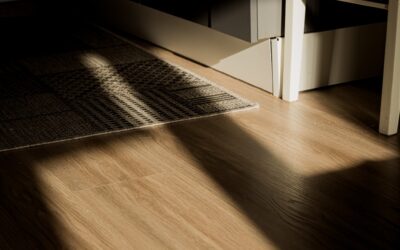
Natural oak is the most popular LVP color category by a wide margin. These warm, medium-toned planks replicate the look of unfinished or lightly finished white oak with honey and amber undertones. The color sits in the middle of the spectrum, neither too light nor too dark, which makes it the safest and most versatile choice for most homes.
Natural oak LVP works with virtually every wall color and furniture style. It pairs effortlessly with white, cream, gray, blue, green, and even bolder accent colors. The warm undertone prevents rooms from feeling cold or sterile, while the medium value keeps spaces feeling open and balanced. This color family is the default recommendation for homeowners who want a floor that works everywhere and will not feel dated in five years.
In terms of design style, natural oak is at home in transitional, modern farmhouse, Scandinavian, and traditional interiors. It is the chameleon of LVP colors, adapting to the surrounding decor rather than demanding attention.
Gray-Washed and Cool Gray Tones
Gray LVP surged in popularity over the past decade and remains a strong choice for contemporary and modern interiors. The gray family ranges from light silver-gray to deep charcoal, with cool and warm variations within the spectrum.
Light gray LVP creates an open, airy feel similar to whitewash but with more sophistication. It works exceptionally well in smaller rooms and apartments where maximizing the sense of space is important. Medium gray tones provide a neutral foundation that lets colorful furniture and artwork take center stage. Dark charcoal gray creates drama and pairs well with white and bright accents.
The main consideration with gray LVP is undertone. Cool grays with blue or purple undertones create a crisp, modern vibe but can feel cold in rooms with limited natural light. Warm grays with beige or taupe undertones (sometimes called greige) offer the contemporary gray look without the chill. Greige has become particularly popular because it bridges the gap between trendy gray and timeless warm neutrals.
Gray floors pair best with white, navy, black, blush pink, and sage green. They can clash with strongly warm elements like orange-toned wood furniture or golden yellow walls, so be mindful of mixing warm and cool tones if you go gray.
Warm Honey and Golden Tones
Honey-toned LVP brings rich warmth to any space. These floors feature golden amber, caramel, and butterscotch hues that evoke the look of traditional hardwood in its most classic form. Honey tones have experienced a resurgence as homeowners move away from the cooler gray trend and back toward warmer, more inviting palettes.
This color family excels in living rooms, dining rooms, and bedrooms where a cozy, welcoming atmosphere is the goal. Honey LVP pairs beautifully with earth tones, deep greens, warm whites (not stark white), terracotta, and navy. It is a natural fit for traditional, mid-century modern, bohemian, and rustic design styles.
The risk with honey tones is going too golden or too orange, which can look dated and reminiscent of the yellow oak floors that dominated homes in the 1990s. The best honey LVP products have enough brown depth and variation to avoid the flat, one-dimensional yellow that ages poorly. Look for planks with multi-tonal variation that mixes honey with brown and amber shades for the most realistic and timeless appearance.
Espresso and Dark Brown Tones
Dark espresso LVP delivers the luxurious, dramatic look of dark-stained hardwood without the maintenance headaches that come with real dark hardwood (though it still shows dust more than lighter options). Deep chocolate, espresso, and coffee-bean brown tones create a sense of richness and formality that lighter floors cannot match.
Dark LVP is most effective in larger rooms with plenty of natural light where the dark color will not make the space feel small or cave-like. It creates stunning contrast with white trim, light-colored furniture, and bright area rugs. Open floor plans, formal living rooms, and master suites are ideal settings for dark espresso floors.
The practical reality of dark LVP mirrors that of dark hardwood: dust, pet hair, footprints, and water spots are far more visible than on lighter floors. Daily sweeping or dust mopping is essential to keep dark floors looking clean. Matte finishes help significantly by reducing the light reflection that highlights every particle.
Whitewashed and Blonde Tones
Whitewashed LVP replicates the look of whitewashed or lime-washed hardwood with pale, sun-bleached tones that maximize the sense of space and light. These floors range from nearly white with visible grain to soft cream with subtle warm undertones.
Whitewashed floors are the foundation of Scandinavian and coastal design. They make rooms feel larger, brighter, and more open than any other floor color. Small rooms, basement spaces with limited natural light, and apartments all benefit from the light-reflecting properties of whitewashed LVP.
The design trade-off is that very light floors can feel cold or washed-out in large spaces without sufficient warm elements to balance them. Pair whitewashed LVP with natural fiber rugs, warm wood furniture, soft textiles, and plants to prevent the space from feeling sterile. Light floors also show dark stains, mud, and pet accidents more readily than medium tones, so maintenance habits should factor into the decision.
Weathered and Driftwood Tones
Weathered and driftwood LVP captures the look of wood that has been naturally aged by sun and salt air. These planks feature a mix of gray, tan, and brown tones with visible grain variation and a slightly faded appearance. The color palette is complex and multi-tonal, which gives the floor a sense of depth and character that solid-colored planks lack.
Driftwood tones are the go-to choice for coastal, beach house, and casual rustic interiors. They also work well in modern farmhouse settings and relaxed contemporary spaces. The muted, organic color palette pairs with blues, whites, sandy neutrals, and natural textures like jute, linen, and rattan.
From a practical standpoint, weathered and driftwood tones are among the most forgiving floor colors. The multi-tonal variation camouflages dust, pet hair, small scratches, and minor debris better than solid dark or solid light floors. If low-maintenance appearance is a priority, this color family deserves serious consideration.
How LVP Color Affects Room Feel
Understanding the psychological and visual impact of floor color helps you make a choice that enhances your space rather than fighting it.
Light Colors Open Up Space
Light-colored floors reflect more ambient light and create the illusion of a larger room. They are the best choice for small rooms, basements, apartments, and any space where you want to maximize the feeling of openness. Light floors also work well in rooms with limited windows because they make the most of available light.
Dark Colors Add Intimacy
Dark floors absorb light and create a grounded, anchored feeling. They make large, open rooms feel more intimate and defined. Dark floors work best in rooms with high ceilings and generous natural light where they add warmth without making the space feel cramped.
Warm Tones Create Coziness
Floors with warm undertones (honey, amber, golden) make a room feel inviting, comfortable, and lived-in. They are ideal for living rooms, bedrooms, and family spaces where comfort is the priority. Warm floors complement warm lighting and work beautifully in north-facing rooms that receive cooler, indirect light.
Cool Tones Create Sophistication
Floors with cool undertones (gray, ash, blue-gray) produce a clean, polished, contemporary feel. They complement modern furniture, minimalist decor, and crisp color palettes. Cool floors work well in south-facing rooms with abundant warm sunlight, where they balance the warmth of natural light.
Matching LVP Color to Furniture and Walls
A few guiding principles simplify the coordination process.
Contrast works better than matching. A medium-toned floor with light walls and a mix of light and dark furniture creates visual interest and depth. Matching the floor color exactly to the furniture color creates a flat, monotone space that lacks dimension.
Keep undertones consistent. If your floor has warm undertones, choose wall colors and furniture with warm undertones as well. Mixing warm floors with cool gray walls can create an unsettled, disjointed feeling. Greige floors are the easiest to coordinate because they contain both warm and cool elements.
Consider the big picture. Look at cabinet colors, countertop materials, wall paint, and existing furniture before selecting a floor color. Bring samples home and view them in the actual room at different times of day, as lighting dramatically affects how floor colors appear.
Which LVP Colors Show Less Dirt
This is one of the most practical questions homeowners ask, and the answer is straightforward.
Medium-toned floors with multi-tonal variation show the least dirt. Natural oak with color variation, greige with mixed warm and cool tones, and driftwood with its multi-colored weathering all camouflage everyday dust, pet hair, and minor debris effectively. The variation in the plank color breaks up the visual field so that small particles do not stand out.
Very dark floors (espresso, charcoal) show dust, light-colored pet hair, and water spots the most. Very light floors (whitewash, blonde) show dark dirt, mud, stains, and dark pet hair most readily. Both extremes require more frequent cleaning to look presentable.
If you have pets, children, or simply prefer a low-maintenance floor, a medium-toned LVP with visible grain variation and a matte finish is your best bet.
Final Thoughts
The right LVP color transforms a room. Natural oak remains the most versatile and timeless choice for most homes. Gray tones suit modern and contemporary spaces. Warm honey creates welcoming, cozy environments. Driftwood and weathered tones hide dirt best while delivering relaxed coastal or farmhouse character. Take samples home, live with them for a few days under real lighting conditions, and trust that the color you connect with will serve your space well.
For more on LVP construction, brands, installation, and costs, visit our LVP flooring guide.
Prefer to explore on your own?
See how new flooring looks in your actual room in seconds — free, no signup.
Try the free Floor Studio →