Floor color sets the entire mood of a room, and the palette homeowners are reaching for has shifted hard in the last few years. The trending floor colors right now move away from the cool gray that dominated the 2010s toward warm, natural wood tones, soft greige neutrals, and rich, grounding browns. Because flooring is expensive to replace, picking a color that’s both current and durable matters more here than almost anywhere else in the home. This guide breaks down the colors leading the market, why each is popular, and how to choose a tone that flatters your space and won’t look dated in five years.
Warm Natural Oak Leads the Way
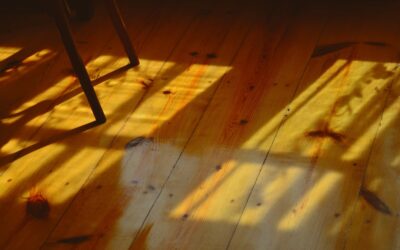
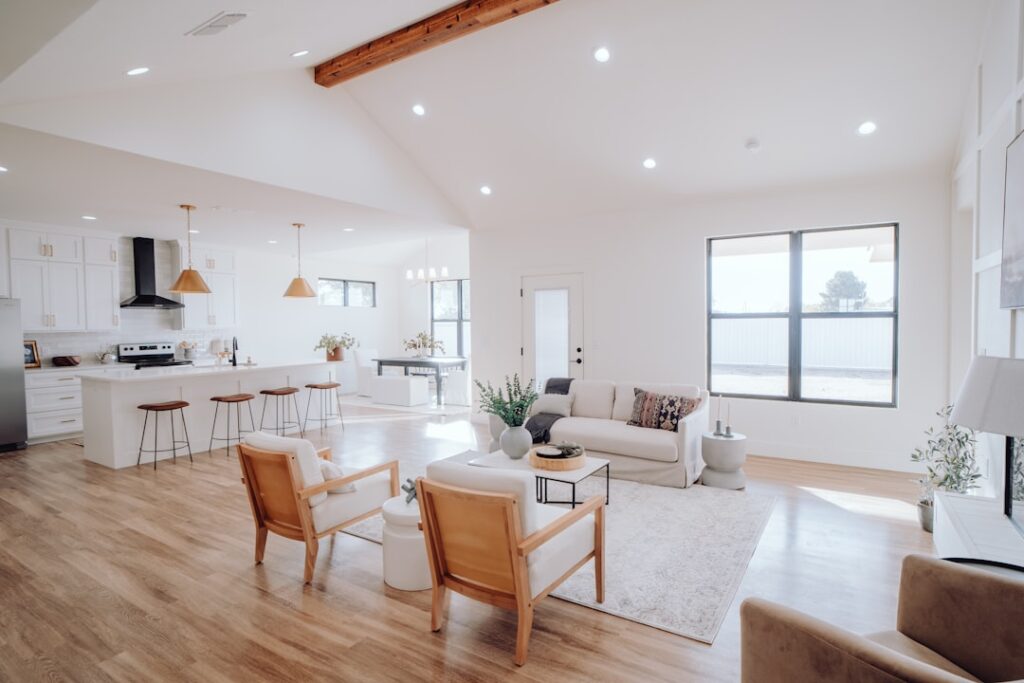
If there’s one defining trend, it’s the return of warm, natural wood. Light-to-medium oak tones with visible grain, think white oak finished in a clear or natural matte, are everywhere in new builds and remodels. They read as fresh and organic, brighten a room, and pair effortlessly with the warm-modern, Scandinavian, and Japandi looks driving interior design.
Natural oak’s biggest practical advantage is forgiveness. Its golden-to-honey tone and active grain hide dust, pet hair, and minor scratches far better than dark or stark-white floors. For homeowners who want a floor that looks intentional and lives well day to day, warm oak is the safest on-trend choice.
Greige and Warm Neutrals
Pure cool gray flooring has faded, but gray didn’t disappear; it warmed up. Greige, a blend of gray and beige, is the neutral of the moment. It keeps the clean, contemporary feel people loved about gray while adding just enough warmth to avoid the cold, sterile look that dated those early gray floors.
Greige works beautifully as a flexible base, pairing with both warm and cool decor and complementing white, wood, navy, and black accents alike. It’s a particularly smart pick if you’re not sure where your wall colors and furniture will land over time, because it bridges palettes without clashing.
White-Washed and Light Floors
At the lightest end of the spectrum, white-washed and very pale floors continue to trend for their airy, coastal, and modern-farmhouse appeal. These finishes, whether on real wood, engineered planks, or wood-look LVP, make rooms feel larger and brighter, which is why they’re so popular in smaller homes and spaces short on natural light.
Light floors do show dust and crumbs more readily, so they suit lower-traffic rooms or households willing to sweep often. A matte or wire-brushed texture helps disguise the everyday debris that a glossy pale floor would broadcast. Pair them with white or soft neutral walls for a serene, open feel.
Rich Browns and Warm Mid-Tones
For homeowners who want warmth and depth, rich brown and honey mid-tones are surging back. These classic wood colors, walnut-inspired browns, warm chestnut, and golden hickory, bring coziness and a timeless quality that never truly goes out of style. They ground open-concept spaces and add a sense of substance that very light floors can lack.
Mid-tone browns are also exceptionally practical, sitting in the sweet spot where they hide both light dust and dark scuffs. If you want a floor that feels warm and inviting rather than trend-driven, a rich mid-tone brown is about as safe and enduring as flooring gets.
Moody Espresso and Dark Floors
Dark floors haven’t disappeared; they’ve gotten more dramatic. Deep espresso and near-black floors create bold contrast against light walls and white trim for a striking, high-end look. They’re making a comeback in modern and luxury interiors where homeowners want drama and definition.
The trade-off is maintenance. Dark floors show dust, pet hair, footprints, and fine scratches more than any other tone, so they reward frequent cleaning and suit lower-traffic, formal spaces best. A matte or low-sheen finish helps cut down on visible smudges. Used thoughtfully, dark floors deliver an unmatched sense of richness and contrast.
How to Choose the Right Floor Color
The trendiest color isn’t automatically right for your home. Weigh these factors before committing:
- Room size and light — light floors expand small or dim spaces; dark floors suit large, sunny rooms.
- Lifestyle — pets, kids, and high traffic favor mid-tone, grainy floors that hide wear.
- Wall and cabinet colors — choose a floor that contrasts rather than nearly matches surrounding wood tones.
- Undertone harmony — keep floors, walls, and trim in the same warm or cool family.
- Resale — warm neutrals and natural oak appeal to the widest range of buyers.
Always test large plank samples in your actual space, viewing them in morning and evening light, before ordering. Flooring is a long-term investment, so it pays to live with a sample for a few days.
Color Trends by Flooring Material
The trending colors show up differently depending on the material you choose. With hardwood and engineered wood, warm white oak, natural maple, and rich walnut tones lead, often in matte or wire-brushed finishes that show grain. Luxury vinyl plank (LVP) has become the affordable way to chase these looks, with realistic wood-look prints spanning everything from pale Nordic oak to deep espresso, all in a waterproof, scratch-resistant format ideal for kitchens and basements.
Tile is trending warmer too, with wood-look porcelain planks and warm-toned natural stone gaining over the cool grays of years past. Laminate follows the wood-look trend closely and at a budget price. Whatever the material, the through-line is the same: warmer, more natural tones with visible texture are winning, and high-gloss, uniform, cool-gray looks are on the way out across every product category.
Finish and Sheen Trends
Color is only half the story; the finish dramatically changes how a floor reads. Matte and low-sheen finishes are firmly in style, prized because they look natural, hide scratches and footprints, and avoid the dated, plasticky shine of high-gloss floors. Wire-brushed and hand-scraped textures add depth and disguise wear, which is why they pair so well with the trending natural-oak tones.
High-gloss floors, once a sign of luxury, now read as old-fashioned and are tough to maintain since they broadcast every smudge and scratch. If you want your floor color to feel current, a matte or satin finish with a touch of visible texture is almost always the better choice, it modernizes even a classic wood tone and keeps the floor looking clean between cleanings.
Trends That Will Last
The smartest move is choosing a color with staying power rather than chasing whatever’s hottest this season. Warm natural oak, greige neutrals, and rich mid-tone browns all have the durability of appeal that gray flooring ultimately lacked, they read as classic, not trendy. Pair an on-trend color with a matte, textured finish that hides wear, and your floors will look current and well-kept for years. Among today’s trending floor colors, the warm, natural, and grounded tones are the ones most likely to still look right long after the latest paint colors have come and gone.
Prefer to explore on your own?
See how new flooring looks in your actual room in seconds — free, no signup.
Try the free Floor Studio →