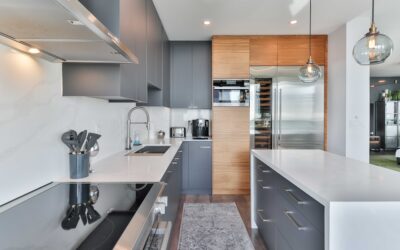
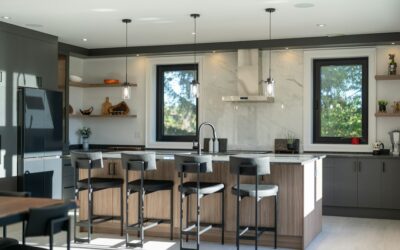
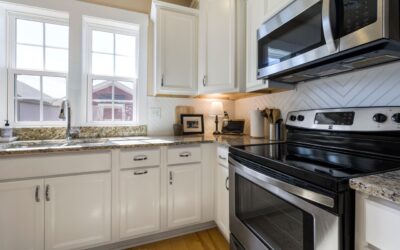
The dark cabinet trend that everyone said was finished in 2018 is back, harder than before. Walk any kitchen showroom in 2026 and you’ll see espresso stains, soft black paints, and inky greens crowding out the white shaker that dominated the last decade. Done correctly, dark cabinets make a kitchen feel grounded, expensive, and timeless. Done badly, they swallow light and date the room within five years.
Part of our Kitchen Remodeling guide — explore the full guide →
The difference comes down to four things: undertone, sheen, lighting, and contrast. I’ve designed dark kitchens that still look fresh a decade later, and I’ve ripped out three-year-old dark kitchens that aged like milk. The lessons below are what separates the two.
Why the Trend Is Back
White kitchens dominated 2010-2022 because they photographed well on Instagram and signaled “fresh” to buyers. The reaction was inevitable. As open-plan layouts pushed living spaces deeper into kitchens, homeowners wanted the warmth that dark wood and saturated paint deliver. Black, forest green, espresso, and oxblood now show up in roughly 35% of new build kitchens, up from 12% just four years ago according to NKBA trend data.
The Best Paint and Stain Colors
True Blacks
Benjamin Moore Black Beauty 2128-10 and Sherwin-Williams Tricorn Black SW 6258 are the safest blacks — true neutrals with no purple or blue swing under different lighting. Avoid jet-black lacquers in matte; they show every fingerprint and the slightest scratch reveals the pale primer underneath.
Soft Blacks and Charcoals
Farrow & Ball Off-Black No. 57 reads almost-black in daylight and warm-charcoal at night. SW Iron Ore SW 7069 is the contractor favorite — forgiving, easy to touch up, and friendly under both warm and cool LEDs.
Forest and Hunter Greens
Benjamin Moore Salamander 2050-10 and SW Pewter Green SW 6208 lead this category. Pair with brass hardware and walnut floors to anchor the look.
Stained Wood
Walnut, fumed oak, and dark espresso-stained alder give you depth without paint. Plan for $80-$140 per linear foot more than painted MDF cabinets, but the result reads custom and ages slowly.
The Lighting Math No One Tells You
Saturated cabinetry reflects roughly 5-15% of incident light. White cabinets reflect 75-90%. That means a deep-toned kitchen needs roughly four to six times more lumens to feel equally bright. If your existing white kitchen feels comfortable at 4,000 lumens, plan for at least 16,000 lumens after going dark.
- Under-cabinet LED: Mandatory, not optional. Run continuous strip lighting at 350-500 lumens per linear foot.
- In-cabinet glass shelves: Add puck or strip lights inside any glass-front upper.
- Toe-kick lighting: Doubles as a nightlight and prevents the lower cabinets from reading as a black void.
- Color temperature: Stick to 2700K-3000K. Cool 4000K LEDs make the wood look like industrial cafeteria furniture.
Hardware That Works With the Look
Brass — unlacquered, brushed, or aged — is the strongest pairing. The warm metal pops against the dark field without competing. Matte black on black creates a tone-on-tone monochrome that reads expensive but high-maintenance (every smudge shows). Polished nickel and chrome cool the room down and pair best with green or charcoal cabinets.
Pull length matters. On deeper finishes, longer pulls (8-12 inches) carry better visual weight than the 3-4 inch knobs that work on white. Budget $12-$45 per pull from brands like Top Knobs, Schoolhouse, or Rejuvenation.
Counter and Backsplash Pairings
Light counters are non-negotiable in most dark kitchens. The contrast keeps the room from feeling like a cave. Best matches:
- White quartz with subtle veining (Caesarstone Statuario Maximus, Cambria Brittanicca) — $65-$95 per sq ft installed.
- Honed Carrara or Calacatta marble — $80-$140 per sq ft, expect etching from acidic spills.
- Pale soapstone — $70-$100 per sq ft, oils to a soft black over years.
- White oak butcher block on islands — adds warmth and breaks the dark mass.
For backsplash, classic 3×12 zellige in cream, vertical-stack white subway, or unlacquered brass sheet all work. Avoid busy mosaics — they fight the cabinets for attention.
Floor Choices That Don’t Compete
Pale floors give the room balance and bounce light back up. White oak in a natural matte finish, light-stained hickory, or a warm-cream large-format porcelain tile all read fresh against dark uppers. Going dark on the floor too — espresso wood, black slate — is possible but requires very high ceilings and abundant natural light to avoid feeling oppressive.
Resale Reality
Real estate agents in major metros report that dark kitchens now appraise within 2-4% of comparable white kitchens, a major shift from 2018 when dark was a measurable liability. In urban markets and design-forward neighborhoods, the saturated look actually generates higher offers. In suburban tract markets, white still wins. Know your buyer pool before committing.
Maintenance Realities
Deep-toned cabinetry shows dust, water spots, and fingerprints more than light surfaces — period. Matte and satin finishes hide smudges better than gloss. A weekly wipe with a barely damp microfiber and a monthly polish with Method Wood for Good keeps painted finishes looking sharp. Stained wood needs the same routine plus an annual coat of finish-appropriate wax or oil.
Frequently Asked Questions
Do they make a kitchen look smaller?
Slightly, when paired with dark counters and dark floors. With light counters and pale flooring, the perceived size loss is minimal — often zero in well-lit rooms.
Are they harder to keep clean?
Dust and water spots show more, but actual cleaning effort is similar. Matte finishes are more forgiving than gloss.
What’s the most timeless dark cabinet color?
Soft black (SW Iron Ore, BM Off-Black) and walnut wood. Both have decades of design history and don’t read as a 2020s trend.
Can I paint my existing cabinets dark instead of replacing them?
Yes, if the boxes are solid and the doors aren’t thermofoil. Plan $40-$90 per linear foot for a professional spray finish.
What hardware finish lasts longest on this style?
Unlacquered brass develops a patina that hides wear. Lacquered finishes eventually chip. Solid bronze and stainless are also maintenance-friendly.