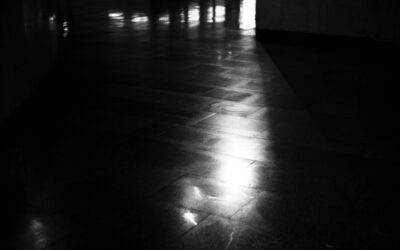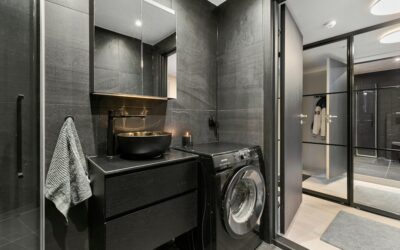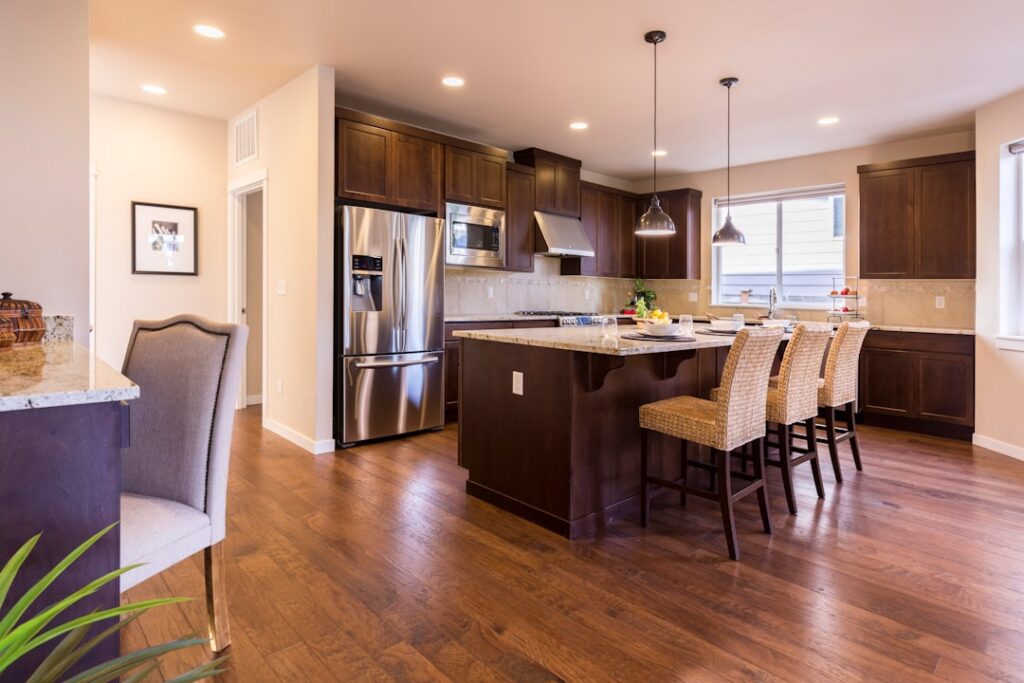
Dark flooring makes a statement. It adds drama, sophistication, and a grounding presence to any room. When done right, dark floors create stunning interiors that feel both elegant and inviting. When done wrong, they can make spaces feel small, oppressive, and exhausting to maintain.
This guide covers everything you need to know about choosing, styling, and living with dark flooring across every material type. Whether you are considering dark hardwood, dark vinyl plank, dark tile, or dark concrete, the principles for making dark floors work in your home are the same.
Why Choose Dark Flooring
Dark floors have an undeniable visual impact that lighter floors simply cannot achieve. They create a strong foundation that anchors a room and makes lighter elements pop with contrast. Here are the key reasons homeowners choose dark flooring:
Drama and sophistication. Dark floors instantly elevate a room’s visual weight and create a sense of luxury and formality. They suit modern, contemporary, and high-end traditional interiors particularly well.
Contrast. Dark floors provide striking contrast against light walls, white trim, and light-colored furniture. This contrast creates visual energy and makes architectural details stand out.
Warmth and coziness. In large, open rooms with high ceilings, dark floors ground the space and create a sense of warmth and intimacy that light floors may lack.
Concealing subfloor imperfections. Dark colors can mask minor subfloor irregularities that might show through lighter materials.
Dark Flooring by Material
Dark Hardwood
Dark hardwood flooring is the classic choice for dramatic floors. You can achieve dark hardwood in two ways: by choosing a naturally dark wood species like walnut or by staining a lighter species like white oak with a dark stain such as Ebony, Jacobean, or Dark Walnut.
American walnut has a rich, warm chocolate color naturally and does not need staining. It is one of the most beautiful dark flooring options but also one of the most expensive. Dark-stained white oak is more affordable and allows you to choose your exact shade of darkness.
Dark hardwood floors look stunning but require consistent maintenance. Every dust particle, pet hair, and scratch is visible on a dark surface with a satin or glossy finish. Matte finishes show less wear than glossy ones.
Dark Vinyl Plank
Dark vinyl plank offers the look of dark hardwood at a fraction of the cost and with better water resistance. Modern dark vinyl planks in walnut, espresso, and ebony tones feature realistic embossed textures that convincingly replicate real wood from normal viewing distances.
Dark vinyl flooring shows dust and scratches just like dark hardwood, so the maintenance reality is similar. The advantage of vinyl is that it costs less to replace when you are ready for a change and handles moisture in kitchens and bathrooms where real dark hardwood would be risky.
Dark Tile
Dark porcelain and ceramic tiles in charcoal, black, deep brown, and dark slate tones create sophisticated floors in kitchens, bathrooms, and entryways. Large-format dark tiles with minimal grout lines produce a sleek, modern look. Dark natural stone tiles like black granite, dark slate, and honed black marble bring a luxurious quality that manufactured tiles cannot fully replicate.
Dark tile flooring shows water spots and soap residue more readily than light tile, especially in bathrooms. Matte and textured finishes are much more practical than polished finishes for dark tile floors.
Dark Laminate
Dark laminate flooring provides an affordable entry point into dark floors. Modern dark laminate features realistic photography-based surfaces that look convincing in most lighting conditions. However, dark laminate can show scratches more visibly than dark vinyl or dark hardwood because the wear layer is thinner and damage exposes the lighter core beneath.
Dark Concrete
Stained or dyed concrete flooring in dark charcoal, black, or deep brown tones creates an industrial, loft-like aesthetic that suits modern and minimalist interiors. Dark concrete floors are extremely durable and low-maintenance compared to other dark flooring options. They work particularly well in open-concept living spaces, commercial venues, and converted industrial spaces.
Dark Epoxy
Epoxy flooring in dark colors like metallic charcoal, deep navy, or black with metallic flakes creates dramatic floors in basements, garages, and modern living spaces. The glossy surface of epoxy amplifies the drama of dark colors but also shows every footprint and dust particle.
Room Size and Dark Flooring
Large Rooms
Dark flooring works best in large, well-lit rooms where the dark surface grounds the space without making it feel closed in. Open-concept great rooms, spacious master bedrooms, and large dining rooms are ideal candidates for dark floors. The larger the room, the more dramatic and beautiful dark floors become.
Medium Rooms
Standard-sized living rooms and bedrooms can handle dark floors successfully if you balance them with light walls, ample lighting, and light-colored furniture. The key is creating enough contrast that the room does not feel like a dark box.
Small Rooms
Dark floors in small rooms require careful handling. They can work beautifully in small powder rooms and home offices where the drama of a dark floor creates a jewel-box effect. But in small living spaces and bedrooms, dark floors can feel oppressive without sufficient light and contrast.
If you want dark floors in a small room, pair them with white or very light walls, minimize dark furniture, and ensure abundant lighting from multiple sources.
Lighting and Dark Floors
Lighting is the most critical factor in making dark floors look good. Without adequate light, dark floors absorb the room’s energy and create a gloomy atmosphere. With proper lighting, they become a rich, elegant backdrop.
Natural Light
Rooms with large windows, skylights, or south-facing exposure handle dark floors best. The natural light bouncing off light walls and ceilings creates the contrast that dark floors need to shine. North-facing rooms with limited natural light are the most challenging spaces for dark flooring.
Artificial Lighting
Layer multiple light sources in rooms with dark floors. Use overhead ambient lighting, task lighting at workspaces, and accent lighting to highlight architectural features. Warm white bulbs (2700K to 3000K) complement the richness of dark floors better than cool daylight bulbs.
Recessed ceiling lights, floor lamps, and table lamps all contribute to a well-lit room that showcases dark floors rather than being darkened by them.
Wall and Ceiling Color
White or light-colored walls and ceilings are almost mandatory with dark floors. The light surfaces reflect light around the room, compensating for the absorption of the dark floor. Dark floors with dark walls create a cave-like atmosphere that only works in deliberately moody spaces like home theaters or bars.
Pairing Dark Floors with Furniture
Light and White Furniture
The most classic pairing is dark floors with light-colored furniture. White sofas, cream upholstery, light wood tables, and pale-toned cabinets create high contrast that makes both the floor and furniture stand out. This combination feels fresh, modern, and visually balanced.
Warm Wood Tones
Natural wood furniture in lighter tones like ash, maple, and light oak provides warmth and organic contrast against dark floors. This pairing feels less stark than white furniture and creates a Scandinavian-meets-modern aesthetic.
Dark Furniture on Dark Floors
Dark furniture on dark floors can work, but it requires intention and careful execution. The pieces blend into the floor visually, creating a monochromatic, enveloping effect. Add contrast through light-colored textiles, bright art, and metallic accents to prevent the room from feeling like a dark void.
Colorful Furniture
Bold, saturated furniture colors pop dramatically against dark floors. A deep teal sofa, a mustard yellow accent chair, or an emerald green cabinet becomes a focal point against a dark floor backdrop. This approach works particularly well in eclectic and maximalist interiors.
Area Rugs
Area rugs serve both functional and aesthetic purposes on dark floors. A light-colored rug defines a seating area, protects the floor from wear, and provides the contrast that dark floors need. A patterned rug in multiple colors can tie together the floor, walls, and furniture into a cohesive design.
Avoid very dark rugs on dark floors as they disappear visually and defeat the purpose of an area rug as a design element.
The Maintenance Reality of Dark Floors
This is where honesty matters most. Dark floors require more visible maintenance than medium-toned floors. Here is what you should expect:
Dust shows immediately. On a dark floor, every speck of dust, every crumb, and every pet hair is visible. If you have pets, children, or simply live in a dusty area, you will notice debris on dark floors far more than on lighter options.
Scratches are visible. When a dark floor is scratched, the lighter material beneath is exposed, creating high-contrast marks. Matte finishes disguise scratches better than glossy or semi-gloss finishes.
Water spots show. Dried water spots and cleaning streaks are visible on dark surfaces, especially with glossy finishes. Use a microfiber mop and avoid leaving excess moisture on the floor.
Footprints can show. In certain lighting and with certain finishes, bare footprints are visible on dark floors. This is most noticeable on high-gloss dark surfaces.
Cleaning frequency increases. Expect to sweep or vacuum dark floors daily to maintain a clean appearance. Weekly mopping is recommended. Robot vacuums are especially helpful for dark floor maintenance.
Choosing the Right Finish for Dark Floors
Matte finish is the best choice for dark floors in real homes. Matte hides scratches, dust, and footprints far better than any other sheen level. It also gives dark floors a modern, natural look that is currently in high demand.
Satin finish is a reasonable middle ground that adds a subtle glow without the maintenance headaches of higher sheens. Satin on dark floors shows moderate scratches and dust.
Semi-gloss and high-gloss finishes on dark floors are stunning when freshly cleaned but show every imperfection between cleanings. These finishes are best reserved for formal spaces that are not heavily used.
Dark Flooring Design Styles
Modern and Contemporary
Dark floors with clean lines, minimal furniture, white walls, and metallic accents create a sleek, gallery-like atmosphere. Choose wide-plank dark flooring with a matte finish for the most contemporary look.
Traditional and Formal
Dark stained hardwood with a satin finish paired with classic furniture, crown molding, and rich textiles creates a formal, sophisticated interior. Jacobean and Dark Walnut stains on oak are traditional favorites for this style.
Industrial
Dark concrete, dark epoxy, or dark-stained wood combined with exposed brick, metal fixtures, and raw materials creates an industrial aesthetic. The dark floor grounds the raw, unfinished quality of industrial design.
Moody and Dramatic
For deliberately dark, cocooning spaces like home theaters, libraries, and dens, dark floors paired with deep wall colors and low, warm lighting create an intimate, enveloping atmosphere. This approach breaks the conventional light-walls rule and works when the goal is an immersive, moody environment.
Frequently Asked Questions
Do dark floors make a room look smaller?
Dark floors can make rooms appear smaller because they absorb light rather than reflecting it. However, this effect is minimized with light walls, ample lighting, and light-colored furniture. In large, well-lit rooms, dark floors look stunning without making the space feel cramped.
Are dark floors going out of style?
The trend has shifted toward lighter, more natural tones, and dark floors are less dominant in new construction than they were five to ten years ago. However, dark floors are a timeless choice that transcends trends when done well. They remain popular in specific design styles and are not going anywhere.
What is the best dark flooring for pets?
Dark floors with pets are a maintenance challenge because pet hair is very visible. If you want dark floors with pets, choose a matte-finish material with strong scratch resistance. Dark SPC vinyl plank is a practical option because it resists scratches from nails and cleans up pet messes easily.
Can I use dark flooring throughout my entire home?
You can, but it works best when your home has plenty of natural light and open floor plans. In smaller or darker homes, consider using dark flooring in main living areas and lighter flooring in smaller rooms, connecting them with transition strips.
What wall color is best with dark floors?
White and off-white walls are the safest and most effective pairing with dark floors. Light gray, pale blue, and soft green also work well. The key principle is contrast: light walls compensate for the light absorbed by dark floors and keep the room feeling bright and balanced.
Final Thoughts
Dark flooring is a bold design choice that rewards homeowners who go into it with realistic expectations about maintenance and a clear vision for how to balance the darkness with light. The drama, elegance, and grounding effect of dark floors can transform an ordinary room into an extraordinary one.
Choose a matte finish to minimize maintenance frustrations, pair dark floors with light walls and furniture for the best visual impact, and invest in a good robot vacuum to manage the daily dust. With these strategies in place, dark flooring delivers a level of sophistication that lighter floors simply cannot match.
Prefer to explore on your own?
See how new flooring looks in your actual room in seconds — free, no signup.
Try the free Floor Studio →