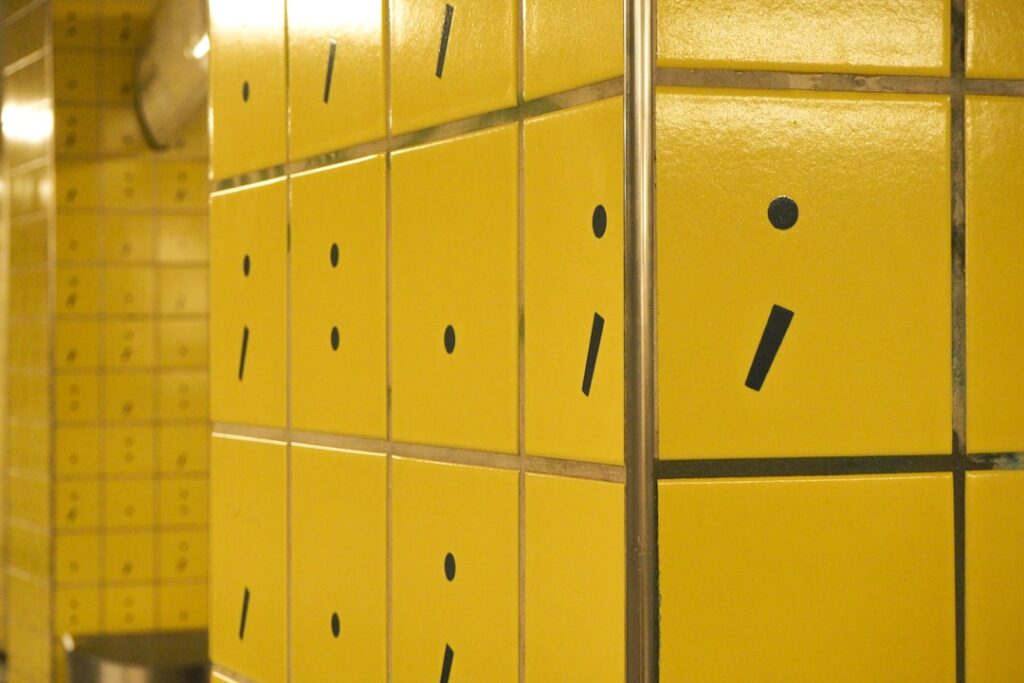
A yellow backsplash is a bold, cheerful choice that instantly injects warmth and energy into a kitchen. From soft buttery tones that read almost neutral to saturated mustard and lemon shades that make a real statement, yellow tile can turn a plain wall behind the counter into the room’s most memorable feature.
Part of our Kitchen Remodeling guide — explore the full guide →
Yellow is not a color most homeowners reach for by default, which is exactly why it works so well when done right. This guide covers the best shades, tile materials, color pairings, installation costs, and practical tips so you can commit with confidence rather than second-guessing the whole kitchen.
Why Choose a Yellow Backsplash
Yellow is the color of sunlight, and a kitchen is where that warmth belongs. A yellow backsplash brightens spaces that get limited natural light, and it pairs beautifully with the wood tones, white cabinets, and stone counters that dominate most kitchens. It reads as retro, cottage, Mediterranean, or modern depending entirely on the shade and tile shape you pick.
There is also a practical upside. Yellow, especially in a glossy glaze, reflects light and can make a small kitchen feel larger and more open. And because it is an uncommon backsplash color, it gives an otherwise standard kitchen a custom, designed-on-purpose look.
Choosing the Right Shade of Yellow
The exact tone you choose changes the entire mood of the room, so it is worth testing samples on the wall before ordering a full run of tile.
- Pale butter and cream — Soft and warm, nearly a neutral. Great for a subtle lift that will not overwhelm the space.
- Lemon and canary — Bright and playful, perfect for a cottage or farmhouse kitchen.
- Mustard and ochre — Deep, earthy, and sophisticated. These read modern and pair well with matte black hardware.
- Golden and honey — Rich warm tones that complement wood cabinets and brass fixtures.
As a rule, the more saturated the yellow, the smaller the area it should cover. A full wall of canary yellow can feel overpowering, while the same shade on a single accent strip or behind the range looks intentional and balanced.
Tile Materials and Styles
Yellow shows up across nearly every backsplash material, and each brings its own texture and price point.
Ceramic and Porcelain
The workhorses of backsplash tile. Ceramic subway tile in a glossy yellow glaze is affordable, easy to clean, and widely available at $2 to $8 per square foot. Porcelain is denser and slightly more durable, running $4 to $12 per square foot.
Glass Tile
Glass gives yellow a luminous, jewel-like depth because light passes into and reflects back out of the tile. A yellow glass mosaic reads vibrant and clean, though it costs more at $10 to $25 per square foot and requires careful installation.
Zellige and Handmade Tile
Handmade Moroccan zellige tile has subtle color variation and an uneven glaze that makes a yellow wall feel artisanal and alive. Expect to pay $15 to $40 per square foot, and plan for more labor since each tile is slightly irregular.
What Colors Pair Well With Yellow
Yellow is a strong color, so the surrounding palette determines whether it feels balanced or busy. A few reliable combinations:
- White cabinets and yellow tile — Crisp, sunny, and timeless. White keeps the yellow from feeling heavy.
- Gray and yellow — Cool gray cabinets or counters temper the warmth for a modern look.
- Navy and yellow — A high-contrast, confident pairing that feels rich and grounded.
- Natural wood and yellow — Warm on warm, evoking a Mediterranean or Tuscan kitchen.
Keep counters and grout on the neutral side when the tile is bright. A white or light gray grout is safe, while a darker grout adds a graphic, retro edge if that suits your style.
Where to Use a Yellow Backsplash
You do not have to tile every wall to enjoy the color. A focal-point installation behind the range or cooktop lets you go bold with a saturated shade while keeping the rest of the kitchen calm. Running the tile only from counter to upper cabinets, a standard 18-inch band, is the most common and budget-friendly approach.
For a dramatic statement, carry the tile floor to ceiling on one wall or all the way up behind open shelving. Just remember that more coverage means the shade choice matters even more, so lean lighter and softer as the tiled area grows.
Installation and Cost
A typical kitchen backsplash covers 30 to 40 square feet. Between tile, adhesive, grout, and labor, a professional installation generally runs $800 to $2,500 depending on the material and pattern complexity. Simple ceramic subway tile sits at the low end; glass mosaic and handmade zellige climb toward the top.
A confident DIYer can install a straightforward ceramic backsplash over a weekend and cut labor entirely, budgeting roughly $150 to $400 for materials. Just allow the thinset to cure per the manufacturer’s timeline, usually 24 hours, before grouting, and seal the grout once it has cured to keep it clean.
Design Styles That Suit Yellow Tile
Yellow reads very differently depending on the design language of your kitchen, which is part of what makes it so flexible. In a retro or mid-century kitchen, a glossy canary or lemon subway tile with contrasting grout feels authentic to the era and pairs perfectly with chrome fixtures and vintage-inspired appliances.
In a Mediterranean or Tuscan kitchen, warmer ochre, honey, and golden tones echo the sun-baked palette of the region, especially when paired with terracotta floors, natural stone counters, and wrought-iron hardware. A cottage or farmhouse kitchen leans into soft buttery yellows with white shaker cabinets and open shelving for a fresh, welcoming feel.
Modern and contemporary kitchens can absolutely wear yellow too, but they tend to do it with restraint. A single band of matte mustard tile against flat-panel gray cabinets and black hardware looks deliberate and current rather than nostalgic. The key is letting one bold element carry the color while everything around it stays quiet.
Lighting and How It Affects Yellow
Yellow is one of the most light-sensitive colors you can put on a wall, so the bulbs and natural light in your kitchen matter as much as the tile itself. Warm-white bulbs in the 2700K to 3000K range deepen and enrich a yellow backsplash, making it feel cozy and golden. Cool daylight bulbs at 5000K can make the same tile look sharper and slightly greenish.
Natural light shifts the tone throughout the day as well. A yellow that looks cheerful at noon may read muddy under artificial evening light. This is exactly why testing samples on the actual wall, and viewing them at different times of day, is worth the extra step before you order a full order of tile.
Keeping a Yellow Backsplash Looking Fresh
Glazed ceramic, porcelain, and glass all wipe clean with a damp cloth and mild dish soap, so grease and splatter behind the stove come off easily. The grout lines are what need attention. Seal them after installation and reseal every year or two, and wipe up cooking oil promptly so it does not stain the lighter yellow tones.
A yellow backsplash is a decision that rewards a little courage. Test your shade in the room’s actual light, pair it with restrained neutrals, and match the coverage to the intensity of the color. Get those three things right and you will have a kitchen that feels bright, welcoming, and unmistakably yours for years to come.