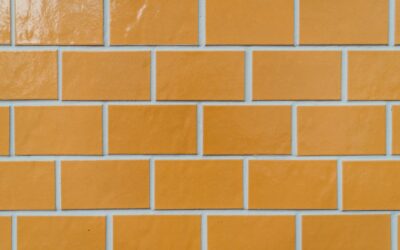
The classic 3-by-6-inch rectangle has been a design staple for more than a century, and choosing it in a soft, neutral tone gives a room timeless appeal without feeling stark. Grey subway tile has become a go-to choice for kitchen backsplashes and bathroom walls because it bridges traditional and modern styles, hides minor smudges better than pure white, and pairs effortlessly with almost any cabinet or fixture color.
Part of our Tile & Grout guide — explore the full guide →
Why Choose Grey Over White
White subway tile is iconic, but it can feel clinical and shows water spots and grime quickly. A grey tone adds depth and warmth while keeping the same clean, familiar shape. It reads as intentional and contemporary, and it forgives the everyday splashes and fingerprints that plague high-traffic surfaces.
Grey is also remarkably versatile as a backdrop. It complements warm wood tones, cool stainless steel, brass hardware, and bold paint colors alike. If you plan to update your kitchen or bath over the years, a neutral grey wall gives you flexibility to change accents without retiling.
Understanding the Range of Grey Shades
Not all greys are created equal, and the undertone matters more than most homeowners expect. The same tile can look completely different depending on your lighting and surrounding finishes.
- Light dove and pale grey: nearly neutral, brightens small spaces and reads almost like an off-white.
- Warm greige: a grey-beige blend that pairs beautifully with wood and warm metals.
- Cool slate and charcoal: dramatic and modern, best in well-lit rooms so they do not feel heavy.
- Variegated or marble-look greys: subtle veining that adds movement and a touch of luxury.
Always test samples on the actual wall and view them at different times of day. North-facing rooms tend to make greys look cooler and bluer, while warm artificial light can pull out beige undertones.
Grout Color Changes Everything
Grout is not an afterthought; it defines the entire look. The contrast between tile and grout determines whether your wall feels bold and graphic or soft and seamless. Pairing grey tile with a matching grey grout creates a calm, monochromatic surface that recedes into the background.
For a more striking, gridded effect, a contrasting white or charcoal grout outlines each tile and emphasizes the brick-like pattern. Many homeowners split the difference with a grout one or two shades different from the tile. Whatever you choose, opt for a quality grout and consider sealing it, especially in showers and behind stoves where moisture and grease accumulate.
Popular Layout Patterns
The standard offset pattern, where each row shifts by half a tile, is the most recognizable and easiest to install. It suits nearly every style. For a fresh take on a familiar material, consider these alternatives.
- Stacked vertical or horizontal: tiles aligned in a clean grid for a crisp, modern feel.
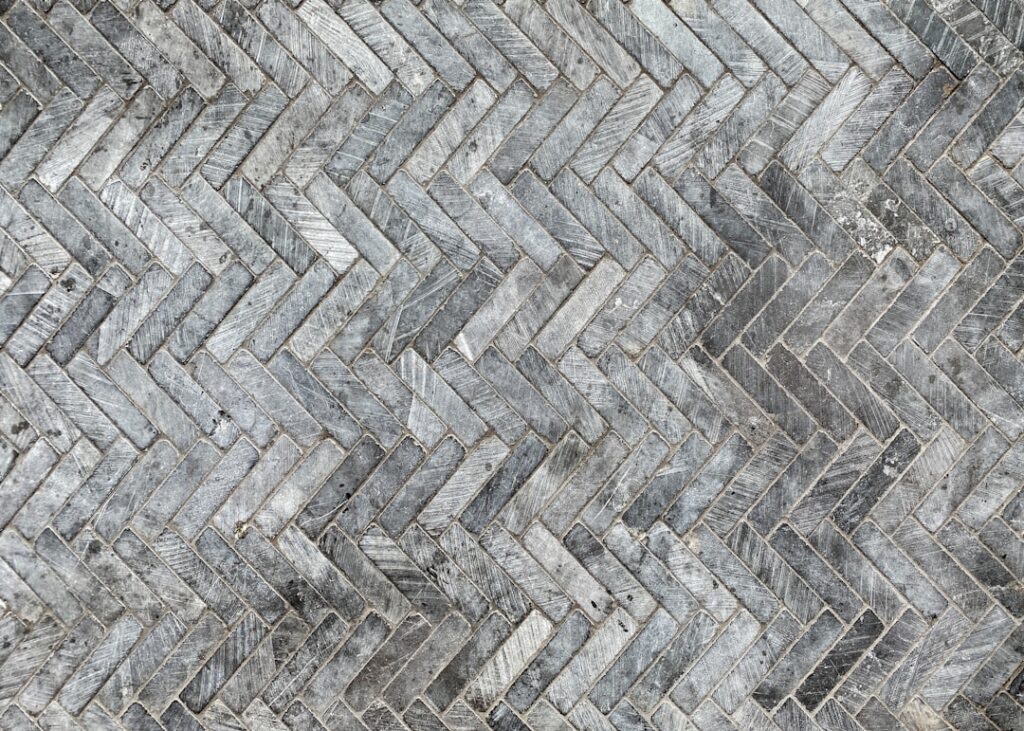
- Herringbone: angled tiles that add energy and a high-end, custom look.
- One-third offset: a subtle update on the classic that reduces the lippage some installers dislike in a half-offset run.
- Vertical stack: draws the eye upward and visually heightens a room.
Tile Size and Format Options
While the traditional 3-by-6-inch rectangle defines the subway look, the format has expanded dramatically. Larger formats such as 4-by-8, 4-by-12, and even 4-by-16 inches create a more elongated, contemporary appearance with fewer grout lines to clean. Smaller mini subway tiles, around 1-by-4 inches, lend a delicate, detailed texture that suits cottage and vintage-inspired rooms.
Edge and surface finish also shape the result. Beveled tiles catch the light and add subtle dimension, giving a wall a more crafted, handmade feel, while flat tiles read as sleek and modern. Glossy glazes bounce light and brighten a space, making them ideal for small or dim kitchens, whereas matte finishes feel soft and understated and tend to hide water spots better. Handmade or zellige-style grey tiles introduce gentle color variation and irregular edges that bring artisanal character. Considering size and finish together lets you tailor the same basic material to wildly different design goals.
Cost and What to Budget
Grey subway tile is one of the more affordable wall finishes. Basic ceramic versions often run from about $1 to $5 per square foot for materials, while porcelain, handmade, or marble-look options can reach $10 to $20 or more. Installation labor typically adds another $7 to $15 per square foot depending on your region and the complexity of the pattern you select.
Herringbone and other intricate layouts increase labor because of the extra cuts and slower setting pace. Order roughly 10 to 15 percent more tile than your square footage to cover cuts, breakage, and future repairs, and keep a few spares in storage in case you need to replace a cracked piece later.
Installation and Maintenance Tips
For a successful install, start with a flat, clean surface and snap level reference lines so your rows stay straight. Use spacers for consistent grout joints, and plan your layout so awkward cuts fall in corners or edges rather than the center of a focal wall. In wet areas, confirm the substrate is properly waterproofed before any tile goes up.
Once installed, maintenance is simple. Wipe the tile with a soft cloth and mild cleaner, avoiding abrasive pads that can scratch the glaze. Seal cement-based grout periodically to keep it from staining and to repel moisture.
Pairing Grey Tile With the Rest of the Room
A backsplash or tiled wall never stands alone, so think about how the grey interacts with your other finishes. With white or light cabinets, a grey tile adds welcome contrast and definition without overwhelming the space. Against dark cabinetry, a lighter grey tile brightens the room and keeps it from feeling closed in, while a deeper charcoal tile creates a moody, dramatic, monochromatic kitchen.
Countertops are the other major consideration. Grey tile flatters white quartz, butcher block, and marble-look surfaces alike, and it bridges warm and cool palettes when your counters and cabinets pull in different directions. Hardware and fixtures complete the picture: brass and gold warm up a cool grey, while matte black and brushed nickel reinforce a crisp, modern feel. By choosing your grout, finish, and surrounding finishes deliberately, you turn a humble, affordable tile into a cohesive design statement. With minimal upkeep, a grey subway tile wall stays attractive for decades, which is a big part of why it remains such a smart, enduring investment for any home.
Prefer to explore on your own?
See how new flooring looks in your actual room in seconds — free, no signup.
Try the free Floor Studio →