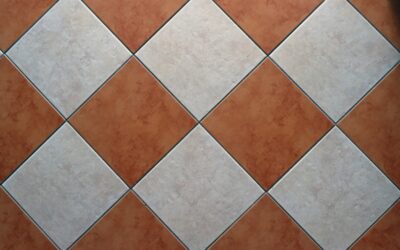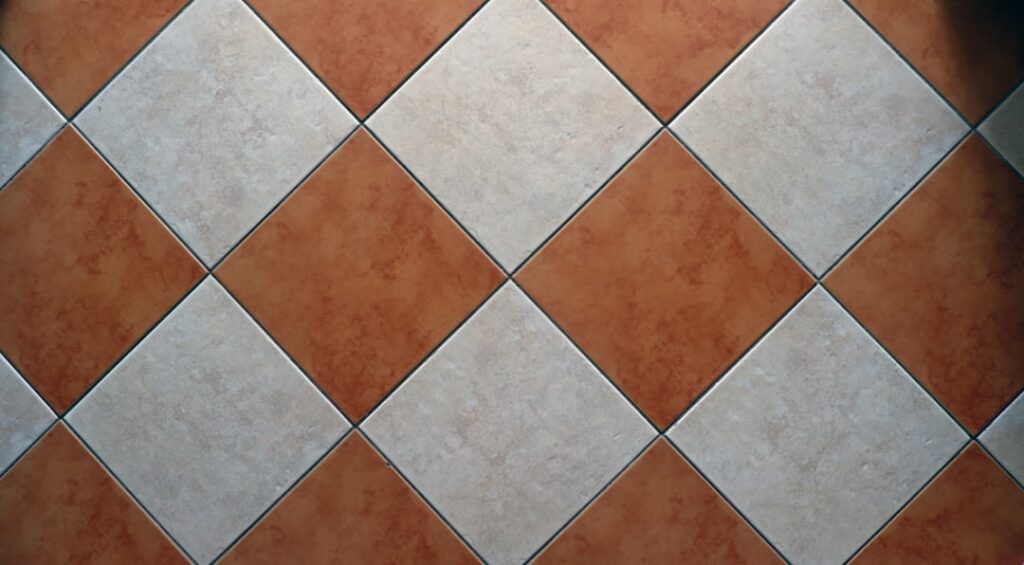
Grout color gets treated as an afterthought, then becomes the thing people notice most once the tile is set. Brown grout is one of the smartest practical choices you can make, especially in high-traffic floors and entryways, because it hides the dirt, scuffs, and foot traffic that turn white grout gray within weeks. Beyond the practical win, the right brown can warm up a room and tie natural stone, wood-look tile, and earthy color palettes together beautifully.
Part of our Tile & Grout guide — explore the full guide →
Why Choose Brown Grout
The number one reason homeowners reach for brown is maintenance. Light grout in a busy kitchen or mudroom shows every footprint and spill, and even with sealing it tends to discolor unevenly. A mid-tone brown camouflages that grime, so the floor reads clean far longer between deep cleanings.
The second reason is design. Brown is a warm, grounding color that pairs naturally with terracotta, travertine, wood-look planks, and beige or cream tiles. Where gray grout can feel cool and industrial, brown brings a softer, more rustic warmth to a space. That warmth is why designers reach for it in farmhouse kitchens, Mediterranean-inspired baths, and any room built around natural, earthy materials where a cooler tone would feel out of place.
Finding the Right Shade of Brown
“Brown” spans a wide range, from pale tan to deep espresso, and the shade dramatically changes the final look. Grout manufacturers offer dozens of browns, so order physical sample sticks rather than trusting a screen or a printed chart.
- Light tan and beige-brown: Subtle and forgiving, blends with cream and sand-colored tile.
- Mocha and warm medium brown: The most versatile range, works with terracotta and most wood-looks.
- Chocolate and espresso: Bold and dramatic, best for contrast against light tile or matching very dark stone.
Dampen the sample stick to preview the color, because grout often dries a shade or two lighter than it looks when wet. What you see dry is closer to the installed result.
Matching vs. Contrasting Your Tile
One decision shapes the entire look: do you want the grout to disappear or to define each tile? Both approaches work, but they create very different effects.
Matching Grout
Choosing a brown that closely matches the tile minimizes the grout lines, creating a seamless, monolithic surface. This makes a small room feel larger and a busy tile pattern feel calmer. It is the go-to for large-format tile and wood-look planks where you want a continuous flow.
Contrasting Grout
A brown that contrasts with lighter tile turns the grout into a design element, emphasizing the pattern and giving the floor a graphic, intentional look. This works well with classic shapes like hexagons, subway tile, and patterned cement tile where you want the geometry to stand out.
Best Places to Use Brown Grout
While it works almost anywhere, brown grout truly earns its keep in certain spots.
- Entryways and mudrooms: Hides tracked-in dirt and salt better than any light color.
- Kitchen floors: Disguises spills, crumbs, and grease near the cooking zone.
- Wood-look tile floors: A matching brown reinforces the natural plank illusion.
- Rustic and farmhouse bathrooms: Complements stone, terracotta, and warm palettes.
- Outdoor patios: Conceals weathering and organic staining over time.
Sanded or Unsanded: Picking the Right Type
Color is only half the choice; grout type matters just as much. Sanded grout, which contains fine sand for strength, is used for joints wider than about 1/8 inch and is standard for most floors. Unsanded grout is smoother and used for narrow joints under 1/8 inch, common with polished tile and wall installations where sand could scratch the surface. For most brown floor projects, a sanded grout is the right call. If you want extra stain resistance, an epoxy grout in a brown shade resists staining and rarely needs sealing, though it costs more and is trickier to install.
Keeping Brown Grout Clean and Sealed
Brown is forgiving, but it is not maintenance-free. A little care keeps it looking sharp for years.
- Seal it after installation: Apply a penetrating grout sealer once the grout has cured, usually after 48 to 72 hours, and reseal annually in wet or high-traffic areas.
- Clean with pH-neutral products: Avoid harsh acids and bleach, which can lighten or blotch the color over time.
- Scrub with a soft brush: A stiff nylon brush and warm water lift most grime without damaging the surface.
- Wipe spills promptly: Even sealed grout can absorb deeply colored liquids if left to sit.
One advantage worth repeating: because brown already reads as a warm, earthy tone, the gradual darkening that ruins white grout is far less noticeable here.
Avoiding Common Brown Grout Mistakes
A few missteps can leave you disappointed with an otherwise good color choice, so plan around them.
- Judging color while wet: Grout dries lighter than it looks when freshly mixed. Always check a cured, dry sample before committing to a whole room.
- Skipping the seal: Unsealed cement grout absorbs spills and darkens unevenly. Seal it once cured and reseal on schedule.
- Inconsistent mixing: Mixing batches with different water amounts produces shade variation across the floor. Measure water consistently every batch.
- Leaving haze too long: Grout haze hardens into a stubborn film if not wiped within the working window.
- Wrong grout type: Using unsanded grout in wide joints leads to cracking and shrinkage.
One more tip from experience: buy enough grout from the same lot to finish the whole job. Color can shift slightly between manufacturing batches, and matching brown after the fact is frustrating.
Is Brown Grout Right for Your Project?
If you value low maintenance, a warm aesthetic, and a floor that still looks clean after a season of real life, brown grout is an excellent choice. Order sample sticks, test them dry against your actual tile and lighting, and decide whether you want the joints to blend in or stand out. Pair that with proper sealing and a gentle cleaning routine, and you will have grout that performs as good as it looks for many years.