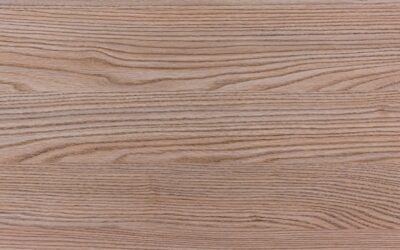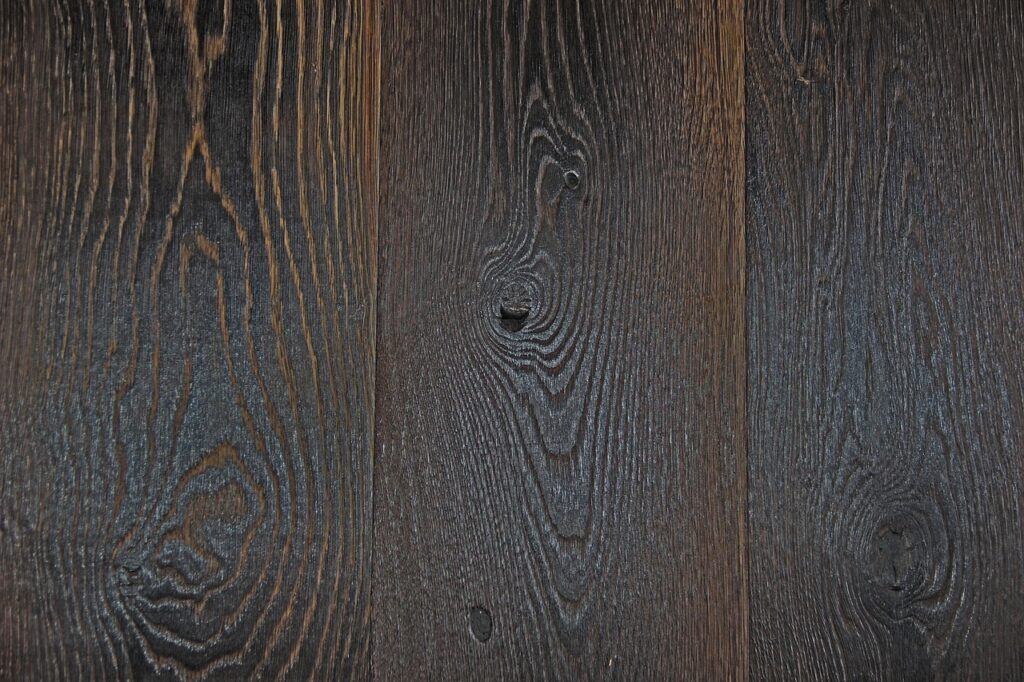
The warm look of real timber underfoot is timeless, but you no longer have to buy solid oak to get it. Wood grain flooring now spans everything from genuine hardwood to laminate, luxury vinyl, and porcelain tile that mimics knots and grain so convincingly you have to crouch down to tell the difference. The right choice depends on your budget, the room, and how much moisture and traffic the floor will face. Here is how the options stack up.
The Main Types of Wood Grain Flooring
Five materials dominate the category, each delivering the grain look through a different construction:
- Solid hardwood: the real thing, milled from oak, maple, hickory, or walnut.
- Engineered hardwood: a real-wood veneer over plywood, more stable than solid.
- Laminate: a printed wood-grain photo layer under a clear wear coat on an HDF core.
- Luxury vinyl plank (LVP): a printed grain on a waterproof vinyl or stone-composite core.
- Wood-look porcelain tile: ceramic planks printed and textured to read as wood.
The look can be nearly identical across all five; the differences live in price, water resistance, and how the floor feels and ages.
What Each Type Costs
Budget is usually the deciding factor, and the spread is significant. Material costs per square foot:
- Solid hardwood: $6 to $12, plus $3 to $6 installation.
- Engineered hardwood: $4 to $9, plus $3 to $5 installation.
- Laminate: $1 to $4, plus $2 to $4 installation.
- LVP: $2 to $5, plus $2 to $4 installation.
- Wood-look tile: $3 to $8, plus $5 to $10 installation (tile labor is higher).
For a 300-square-foot room, that ranges from roughly $900 installed for budget laminate to $5,400 or more for premium solid hardwood.
Which Looks Most Realistic?
Realism has come a long way. The tell-tale signs of fake grain, repeating patterns and a smooth surface that does not match the printed knots, have largely disappeared in premium products. Look for two features: registered embossing, where the surface texture lines up exactly with the printed grain, and a high number of unique plank designs (good lines have 12 or more so the pattern does not repeat). Hand-scraped and wire-brushed textures add depth that reads as authentic. A high-end LVP or laminate with 50-plus plank variations can fool almost anyone, while bargain products with four repeating boards give themselves away fast.
Matching the Material to the Room
Where the floor goes should narrow your choice quickly:
- Bathrooms, laundry, basements: LVP or wood-look tile, both fully waterproof.
- Kitchens: LVP or tile for spill resistance; engineered wood if you want the real thing.
- Living rooms and bedrooms: any option works; hardwood and laminate shine here.
- High-traffic entryways: wood-look porcelain tile or an AC5-rated laminate.
- Homes with big pets: LVP or tile resist scratches far better than soft hardwoods.
Real wood is the only option you can sand and refinish, so it wins for a floor you want to keep for 30-plus years and restore down the line.
Durability and Maintenance Differences
Each material ages differently. Solid hardwood can be refinished several times but dents under heavy use and reacts to humidity. Laminate resists scratches well thanks to its aluminum-oxide top coat, yet swells if water sits in the seams. LVP is the toughest all-rounder, waterproof and dent-resistant, though deep gouges cannot be repaired without replacing a plank. Wood-look tile is the most bulletproof surface of the group, impervious to water and scratches, but it feels harder and colder underfoot. Match your tolerance for upkeep to the material: hardwood asks the most care, tile and LVP the least.
Color, Width, and Style Trends
Current taste leans toward wide planks, 7 to 9 inches across, in light-to-medium tones like white oak, natural hickory, and soft greige. Matte and low-sheen finishes read as more upscale than the glossy floors of a decade ago, and they hide foot traffic and dust better. If you plan to sell within a few years, neutral wide-plank wood grain has the broadest appeal. For a floor you will live with long-term, pick the tone you genuinely love, since trends shift but you walk on it every day.
Installation Methods by Material
How a wood grain floor goes down affects both cost and difficulty. Each material has its own method:
- Solid hardwood: nailed or stapled to a wood subfloor; demands a skilled installer and the most prep.
- Engineered hardwood: nailed, glued, or floated, giving more flexibility than solid.
- Laminate: floating click-lock over underlayment; the most DIY-friendly.
- LVP: floating click-lock or glue-down; also very DIY-friendly.
- Wood-look tile: set in thinset mortar over a cement board or properly prepped subfloor; the most labor-intensive.
The floating-floor options, laminate and LVP, let a handy homeowner skip the labor charge entirely, while tile and nail-down hardwood almost always justify a professional.
Subfloor and Moisture Considerations
No wood grain floor performs well over a bad subfloor. Whatever you choose, the surface below must be clean, flat, and dry, with most products requiring no more than 3/16 inch of variation over a 10-foot span. Over concrete slabs, a moisture barrier is essential for laminate and engineered wood, since vapor pushing up from the slab can ruin them. Solid hardwood should never go directly on concrete or below grade, where humidity will cause cupping. Tile and LVP are the most forgiving over slabs, which is part of why they dominate basement and ground-floor installs. Always test slab moisture and level the floor before laying anything; skipping that step is the most common cause of a failed wood grain floor.
Choosing Your Wood Grain Floor
The smart approach is to start with the room’s moisture and traffic demands, then set a budget, and only then pick a look. For most homes, a 20-mil rigid-core LVP or a quality engineered hardwood hits the best balance of realism, durability, and cost. Want a floor you can refinish for decades? Go solid hardwood. Need something waterproof and nearly indestructible? Choose wood-look porcelain. Whatever you land on, the wood grain flooring market today lets you get the timber look at almost any price point, so the only real mistake is buying on appearance alone without matching the material to how the room is actually used.
Prefer to explore on your own?
See how new flooring looks in your actual room in seconds — free, no signup.
Try the free Floor Studio →