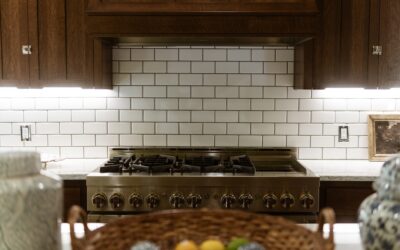
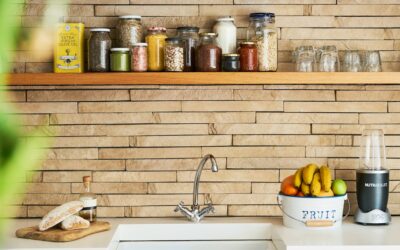
The backsplash is the one spot in a kitchen where you can take a real design risk without committing to a whole-room overhaul. If you are tired of the standard white subway tile, these unique kitchen backsplash ideas will help you create a focal point that reflects your style and elevates the entire space. From handmade zellige to dramatic slab and unexpected materials, the right backsplash turns a functional wall into a showpiece. Here are fresh directions to consider, along with practical notes on cost and upkeep.
Part of our Kitchen Remodeling guide — explore the full guide →
- Handmade Zellige Tile
- Full-Height Slab Backsplash
- Vertical and Stacked Tile Layouts
- Mixed Materials and Textures
- Bold Color and Pattern
- Statement Materials
- Practical Considerations Before You Commit
- What These Ideas Cost
- Lighting Your Backsplash for Effect
- Matching the Backsplash to Your Style
- The Bottom Line
Handmade Zellige Tile
Zellige tile, the glazed Moroccan terracotta with its glossy, slightly irregular surface, has become a favorite for adding artisanal character. No two tiles are exactly alike, so light catches each one differently, creating depth and movement that machine-made tile cannot replicate. Whites and creams keep it soft, while emerald green, deep blue, or terracotta make a bolder statement.
Because zellige is handmade, expect color variation and surface imperfections that are part of its charm. In USD, zellige typically runs about $15 to $50 per square foot for material, so it is an investment best suited to a feature area or a smaller kitchen.
Full-Height Slab Backsplash
For a clean, luxurious look with no grout lines, a slab backsplash extends a single piece of stone or quartz from counter to upper cabinets, sometimes all the way to the ceiling. Carrying the countertop material up the wall creates a seamless, high-end effect, and the absence of grout makes cleaning effortless. Marble-look quartz and dramatic veined natural stone are popular choices.
Slab backsplashes cost more because of the material and fabrication, but the payoff is a striking, easy-care surface. They suit modern and transitional kitchens especially well.
Vertical and Stacked Tile Layouts
Sometimes the material is conventional but the layout is what makes it unique. Stacking subway tile vertically rather than in the usual horizontal offset draws the eye upward and feels fresh and contemporary. Vertical stacking can make ceilings feel taller and adds a subtle modern twist to a familiar tile.
- Vertical stack: Tiles aligned in straight columns for a crisp, modern grid.
- Herringbone: Angled tiles that add energy and a custom feel.
- Chevron: A pointed zigzag that reads as more tailored than herringbone.
- Cross-hatch and basketweave: Geometric patterns that bring vintage charm.
Mixed Materials and Textures
Combining materials creates a custom, collected look. Pair a smooth quartz slab behind the range with textured tile on the surrounding walls, or mix metal accents with stone. Fluted and ribbed tile, with their vertical grooves, add tactile dimension and play beautifully with under-cabinet lighting. Brick-look tile or genuine thin brick brings warmth and an industrial edge to farmhouse and loft kitchens.
The key with mixed materials is restraint. Let one material lead and use the second as an accent so the design feels intentional rather than busy.
Bold Color and Pattern
A backsplash is a low-commitment way to introduce color. Deep jewel tones, moody blues, and rich greens turn an ordinary wall into a statement. Patterned cement and encaustic-look tiles bring graphic interest and a global, eclectic vibe. Because the backsplash area is relatively small, a bold pattern that might overwhelm a whole room reads as a delightful accent here.
If you love color but worry about resale, keep cabinetry and counters neutral so the backsplash carries the personality and can be swapped later if tastes change.
Statement Materials
For something truly different, consider less common materials. A backsplash of large-format porcelain panels offers the look of stone with minimal grout. Glass tile delivers luminous color and reflects light to brighten dark corners. Metal tile, whether stainless, copper, or antiqued bronze, adds shine and works well behind a range. Even reclaimed wood, sealed for moisture, can work as a backsplash in low-splash zones for a warm, rustic accent.
Practical Considerations Before You Commit
Beautiful backsplashes still need to function in a hardworking kitchen. Keep these points in mind:
- Behind the range and sink, prioritize easy-clean, non-porous surfaces or seal porous materials well.
- Handmade and natural materials cost more and require more care than standard ceramic.
- Busy patterns can compete with ornate counters, so balance one statement element against simpler surroundings.
- Sample large pieces in your own lighting before buying, since color shifts dramatically with light.
What These Ideas Cost
Budget varies widely by material. In USD, standard ceramic and porcelain tile installed runs roughly $10 to $25 per square foot. Glass, zellige, and specialty patterns climb to $20 to $50 or more. Slab backsplashes are priced with the countertop fabrication and can be among the costliest options. Factor in labor, since intricate patterns like herringbone take longer to install than a simple grid.
Lighting Your Backsplash for Effect
Even the most beautiful backsplash falls flat without the right lighting, while a well-lit one becomes a true focal point. Under-cabinet LED lighting grazes the surface and reveals the texture of fluted, handmade, or stone tile, casting subtle shadows that bring the material to life. For glass and glossy tile, this lighting adds sparkle and depth. Position the lights toward the front edge of the cabinet so they wash down the wall evenly rather than creating hot spots.
Plan lighting alongside the backsplash itself, not as an afterthought. Pairing a textured or reflective material with quality task lighting transforms the entire feel of the kitchen, especially in the evening when the backsplash becomes the room’s glowing centerpiece.
Matching the Backsplash to Your Style
The most successful backsplashes feel connected to the rest of the kitchen. For a modern space, lean toward slab, stacked tile, or large-format porcelain with clean lines. Farmhouse and cottage kitchens welcome handmade zellige, brick-look tile, and warm patterns. Traditional kitchens suit classic marble subway or natural stone, while eclectic and global styles shine with encaustic patterns and bold color.
Let the backsplash echo a material or color already present in your counters, cabinets, or flooring so it feels intentional. A unique backsplash should surprise and delight, but it should still belong to the room rather than fighting against it.
The Bottom Line
Unique kitchen backsplash ideas let you inject personality into your space without remodeling the entire kitchen. Whether you choose artisanal zellige, a seamless slab, a striking layout, or a bold color, the backsplash becomes a focal point that ties the room together. Balance beauty with practicality, sample your materials in real lighting, and you will land on a backsplash that feels both fresh and timeless.