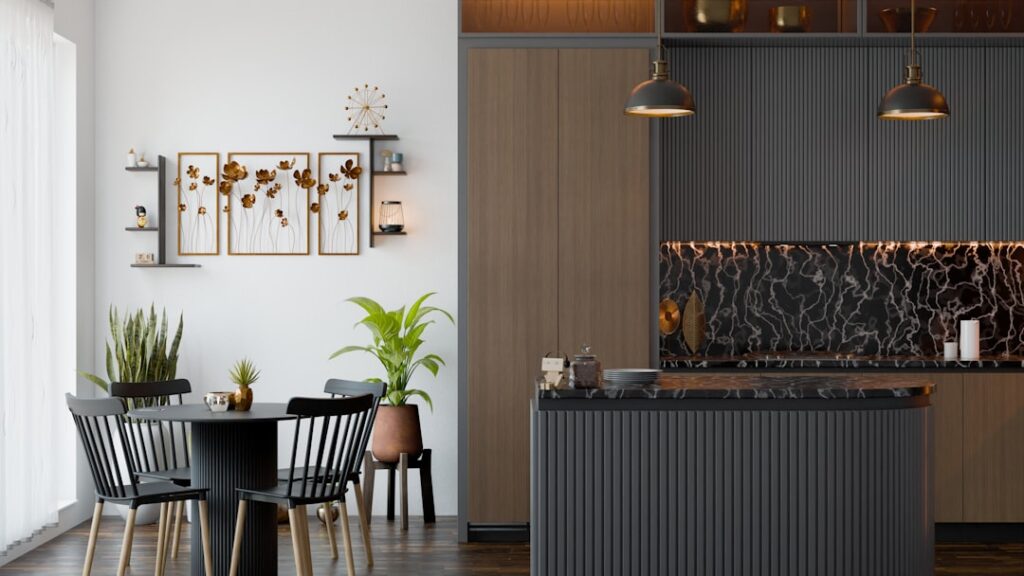
A row of ordinary dome pendants gets the job done, but it never makes anyone stop and stare. Unique pendant lights for kitchen island installations turn the fixture into the sculptural centerpiece of the whole room, using unexpected shapes, handmade materials, and bold scale to create a conversation piece rather than just task lighting. If your kitchen already has clean bones and you want one element that surprises, the pendants over the island are the place to take a swing. This guide explores the statement styles, artisan options, and oversized designs that give an island real personality.
- Why Choose a Statement Fixture
- Oversized and Sculptural Designs
- Artisan and Handmade Options
- Unconventional Shapes and Materials
- Balancing Bold Fixtures With the Room
- Practical Considerations for Statement Lighting
- Where to Find Unique Pendants
- Matching a Statement Piece to Your Ceiling Height
- Budgeting for a One-of-a-Kind Fixture
- Final Thoughts
Why Choose a Statement Fixture
Standard pendants blend in; statement pendants define the room. When the cabinetry, counters, and backsplash are relatively neutral, an unexpected light fixture becomes the jewelry that gives the space character. It is often the single most cost-effective way to inject personality into a kitchen without a full remodel.
The island is the ideal stage for it. The fixture hangs at eye level, sits over the room’s natural gathering spot, and anchors the sightline from adjoining living areas. A sculptural pendant here does more visual work than almost any other single upgrade you can make.
Oversized and Sculptural Designs
Scale is one of the boldest moves in lighting. A single oversized fixture, three or four feet across, replaces the predictable trio of small pendants with one dramatic focal point:
- Large woven rattan or wicker orbs: Organic texture that casts patterned shadows
- Oversized metal cage or cluster fixtures: Industrial drama with visible structure
- Sculptural plaster or ceramic forms: Soft, artful shapes that feel like installations
- Cascading multi-globe chandeliers: Clustered orbs at staggered heights for movement
One large fixture works best over a shorter island, while a linear cluster of staggered globes suits a long one. The key is committing to the scale; a timid oversized piece looks like a mistake, while a confident one looks curated.
Artisan and Handmade Options
Nothing reads as unique like something clearly made by hand. Artisan pendants carry the small irregularities and craftsmanship that mass-produced fixtures lack:
- Hand-blown glass: Each shade slightly different, in colors from smoky amber to sea green
- Ceramic and stoneware shades: Matte glazes and earthy tones with a warm glow
- Woven fiber and macrame: Textural, bohemian, casting intricate shadows
- Forged or hammered metal: Blacksmith-made pieces with visible tool marks
Shopping small studios, craft marketplaces, and independent makers turns up pieces you will never see in a neighbor’s kitchen. Hand-blown glass in particular delivers a jewel-like quality when lit that machine glass cannot match.
Unconventional Shapes and Materials
Beyond size and craft, unexpected forms make a fixture memorable. Designers are pulling in materials that break from the standard metal-and-glass formula:
- Asymmetrical and organic shapes that abandon the perfect circle
- Mixed materials like wood paired with brass or concrete with glass
- Colored and tinted glass in blush, teal, or amber for a pop of hue
- Repurposed and vintage pieces like antique factory lights or salvaged industrial fixtures
A single vintage schoolhouse fixture or a pair of salvaged factory pendants brings history and patina that no new product can fake. These pieces work especially well in kitchens that mix old and new elements.
Balancing Bold Fixtures With the Room
A statement pendant needs room to breathe. If the fixture is doing the talking, keep the surrounding elements calmer: neutral counters, simple hardware, and restrained wall color let the light shine as the star. Competing bold elements fight each other and the whole kitchen reads as busy.
Repeat the fixture’s material or color somewhere else in small doses to tie it in, such as echoing a brass accent in the faucet or a glass tone in a vase. That single thread of connection keeps a bold pendant from feeling like it landed from another room.
Practical Considerations for Statement Lighting
Unique does not mean impractical. Even a sculptural fixture still has to light your prep space, so check the light output and direction. Solid or opaque artisan shades cast beautiful ambiance but limited task light, so plan for under-cabinet or recessed lighting to handle the actual work.
Keep the fundamentals in mind:
- Hang the bottom of the fixture about 30 to 36 inches above the counter
- Confirm the fixture weight is within your ceiling box rating, especially for heavy oversized pieces
- Use a dimmer so a dramatic fixture can shift from task bright to dinner soft
- Choose warm 2700K to 3000K bulbs to flatter the materials
Very large or heavy fixtures may need a reinforced ceiling brace, so factor installation into the budget for anything substantial.
Where to Find Unique Pendants
The best statement pieces rarely come from the big-box aisle. Look to independent lighting studios, artisan marketplaces, salvage and architectural reclamation yards, and vintage dealers. Small-batch makers and one-off vintage finds guarantee that your island lighting is genuinely yours.
Set a realistic budget, since handmade and designer fixtures run from a few hundred to a few thousand dollars. But because the pendant is often the single most-noticed element over an island, it is a spot where investing a little more pays off in daily enjoyment and in the reaction from everyone who walks in.
Matching a Statement Piece to Your Ceiling Height
Bold fixtures interact with ceiling height in ways ordinary pendants do not. A dramatic three-foot orb that looks stunning under a 10-foot ceiling can overwhelm a room with a standard 8-foot ceiling, crowding the sightline and making the space feel smaller. Scale the drama to the room’s volume, not just the island’s length.
Use ceiling height as a guide:
- 8-foot ceilings: Choose a single medium sculptural piece or two modest artisan pendants; avoid anything that hangs too low
- 9-foot ceilings: Room for a larger oversized fixture or a staggered cluster
- 10-foot and vaulted ceilings: The ideal stage for a truly dramatic cascade or an oversized statement piece
In rooms with tall or vaulted ceilings, a cascading multi-globe fixture that descends at varied heights fills the vertical space beautifully, whereas a single flat pendant can look stranded up high. Match the fixture’s visual weight to the air around it.
Budgeting for a One-of-a-Kind Fixture
Unique lighting spans an enormous price range, and setting expectations helps you shop smart. Mass-market fixtures with an unusual look start around $150 to $400. Genuine artisan and hand-blown pieces climb to $500 to $2,000, and designer or large sculptural installations can reach several thousand dollars.
Where you land depends on how much you value true uniqueness versus the look of it. A few strategies stretch the budget:
- Hunt salvage yards and estate sales for vintage industrial and architectural pieces at a fraction of new-designer prices
- Commission a local maker for a custom piece that can cost less than a big-name designer fixture
- Buy one showstopper rather than three, concentrating the budget on a single focal point
- Watch for artisan seconds with minor irregularities that only add to handmade character
Because the island pendant is the most-noticed light in the kitchen, it is a defensible place to spend a bit more. The right one-of-a-kind fixture delivers daily visual payoff and becomes the detail guests remember.
Final Thoughts
Unique pendant lights transform a kitchen island from functional to unforgettable. Whether you choose one oversized sculptural piece, a cluster of hand-blown glass orbs, or a salvaged vintage fixture with real patina, the goal is a focal point that reflects your taste. Keep the surrounding finishes calm, respect the hanging height and weight rules, and back up any opaque statement shade with practical task lighting. Done right, the pendants become the piece everyone remembers about your kitchen.