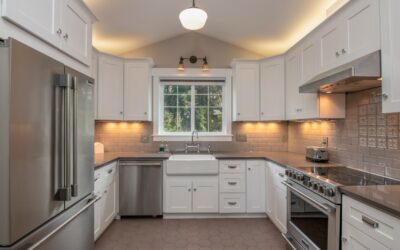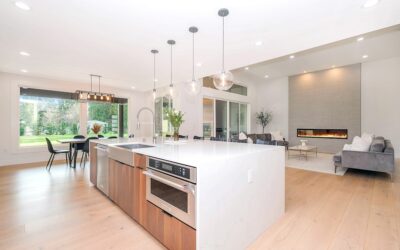
White cabinets are the most popular kitchen choice in America for a reason: they are bright, timeless, and endlessly flexible. That flexibility is also the challenge, because nearly any backsplash will technically work, which makes the decision feel overwhelming. The best backsplashes for white cabinets do one of two things: they add subtle texture and warmth to keep an all-white kitchen from feeling sterile, or they introduce contrast and personality that make the white cabinets pop. This guide walks through the design directions that consistently look great, with specific materials, colors, and patterns to consider.
Part of our Kitchen Remodeling guide — explore the full guide →
Start With the Look You Want
Before choosing a tile, decide on the mood. A backsplash sets the tone of the entire kitchen, and white cabinets can swing in several directions depending on what you pair them with.
- Clean and timeless — White or soft-toned tile for a seamless, classic kitchen that never dates.
- Warm and inviting — Natural stone, warm grays, or beige tones to soften the crispness of white.
- Bold and high-contrast — Dark tile, navy, deep green, or black-and-white pattern to make the cabinets stand out.
- Textured and modern — Glass, zellige, or dimensional tile that adds depth without adding color.
Pin down which of these you are after and the material choices narrow quickly. The biggest regret homeowners report is chasing a trendy color that fights with their countertop, so always choose your backsplash in relation to your counters and flooring, not in isolation.
Classic Subway Tile and Its Variations
The default choice with white cabinets is white subway tile, and for good reason. It is affordable, widely available, and effortlessly classic. But there is far more range here than people realize. The grout color alone transforms the look: white or light-gray grout keeps it seamless and clean, while charcoal or dark grout creates a crisp grid that adds definition and a slightly industrial edge.
You can also play with the layout. Beyond the standard horizontal offset, try a vertical stack for a modern feel, a herringbone for a tailored look, or a chevron for something more dynamic. Switching to a 2-by-8 elongated subway tile or a handmade zellige version adds character while staying within the safe, classic family.
Marble and Natural Stone
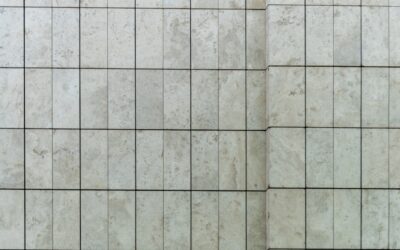
Few pairings feel as luxurious as white cabinets with a marble backsplash. The soft gray veining of Carrara or the bolder veins of Calacatta echo the white cabinetry while adding organic movement that pure white tile lacks. A full-height marble slab behind the range reads as high-end and creates a stunning focal point.
If you love the look but worry about maintenance, natural marble does require sealing and is sensitive to acids, so a porcelain or quartz tile that mimics marble veining offers the same visual with far less upkeep. Other warm stones, like a honed travertine or a soft limestone, bring an earthy, Mediterranean warmth that flatters white shaker cabinets beautifully.
Adding Color and Contrast
White cabinets are the perfect blank canvas for a backsplash with personality. Color is where you can make the kitchen unmistakably yours.
- Navy blue — A timeless, sophisticated contrast that pairs especially well with brass or gold hardware.
- Deep green — Emerald or sage tile brings a fresh, organic richness that has surged in popularity.
- Black — Black tile or black-and-white patterned tile delivers bold, graphic drama against crisp white.
- Terracotta and warm earth tones — Clay-colored zellige or handmade tile adds Mediterranean warmth.
- Soft blush or pastel — A gentle color for a vintage or cottage feel without overwhelming the space.
When using a saturated color, keep the rest of the kitchen calmer so the backsplash remains the star. Tie the color back to another element, such as window trim, an island, or bar stools, so it reads as intentional.
Pattern and Texture for Visual Interest
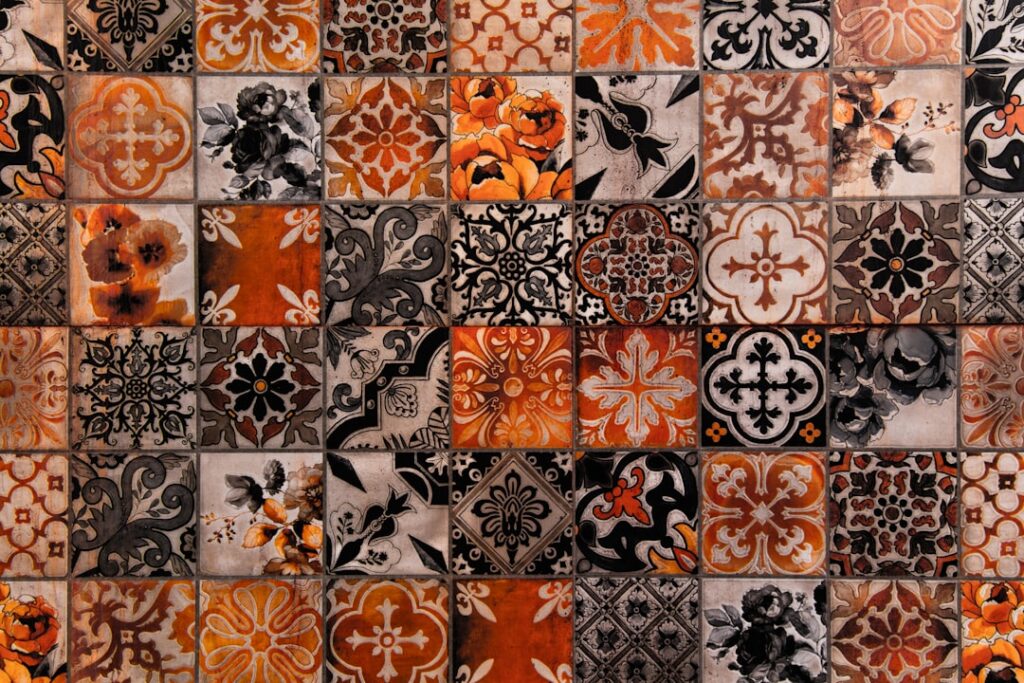
If you prefer to keep things neutral but want the backsplash to feel special, lean on pattern and texture instead of color. A geometric tile, a fish-scale or scallop shape, or a hexagon mosaic adds personality while staying within a white or neutral palette. Patterned cement-look tiles, especially in black and white, give a kitchen a distinctly European, custom character.
Texture works the same way. Handmade tile with slight surface variation, glossy glass tile that bounces light, or dimensional tile that casts subtle shadows all create depth. In a small or low-light kitchen, glossy or glass tile reflects light and makes the space feel larger and brighter, an easy win with white cabinets.
Budget and Material Considerations
Beyond looks, the material you choose affects both cost and upkeep, and that practicality matters in a working kitchen. Ceramic and porcelain tile are the workhorses: affordable, durable, easy to clean, and available in endless styles, making them the best value for most homeowners. Glass tile costs more but reflects light beautifully and resists stains. Natural stone like marble brings unmatched elegance but needs sealing and careful cleaning to avoid etching from acidic spills.
For tight budgets, peel-and-stick tile and large-format porcelain panels reduce both material and labor costs, since fewer grout lines mean faster installation and easier cleaning. As a rough guide, a standard kitchen backsplash project runs anywhere from a few hundred dollars in materials for basic ceramic tile to well over a thousand for premium stone or extensive glass mosaic, before installation labor. Factor in grout, since the grout color is a design decision in its own right and a stain-resistant epoxy grout costs more but stays cleaner over the years.
Common Mistakes to Avoid
A few missteps trip up homeowners pairing a backsplash with white cabinets. The first is ignoring undertones: white cabinets range from warm creams to cool, crisp whites, and a backsplash with a clashing undertone, such as a cool gray tile against warm cream cabinets, looks subtly off. Hold samples directly against your cabinet doors before deciding.
The second is forgetting the countertop. A busy, heavily veined counter usually wants a calmer backsplash, while a plain solid counter can carry a bolder tile. Trying to make both the counter and backsplash the star creates visual competition. Finally, do not choose a trendy color in isolation; the safest path is to anchor your choice to something more permanent in the room and let trends show up in easily swapped accessories instead.
Tying It All Together With Hardware and Counters
The backsplash never stands alone. Coordinate it with your countertops and metals for a cohesive result. White or light quartz counters with white cabinets call for a backsplash that adds contrast or texture so the kitchen does not blur into one tone. Dark or veined counters can be echoed by the backsplash for a pulled-together look.
Hardware finish is the final tie. Brass and gold pulls flatter navy, green, and marble backsplashes; matte black suits white tile with dark grout or patterned tile; brushed nickel keeps an all-white scheme clean and modern. Choose your backsplashes for white cabinets with the whole room in mind, balance contrast against warmth, and you will land on a kitchen that feels both timeless and unmistakably yours.