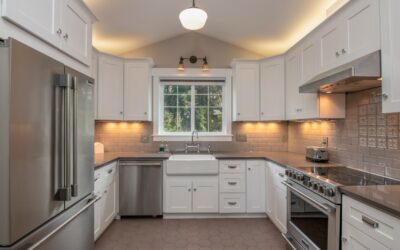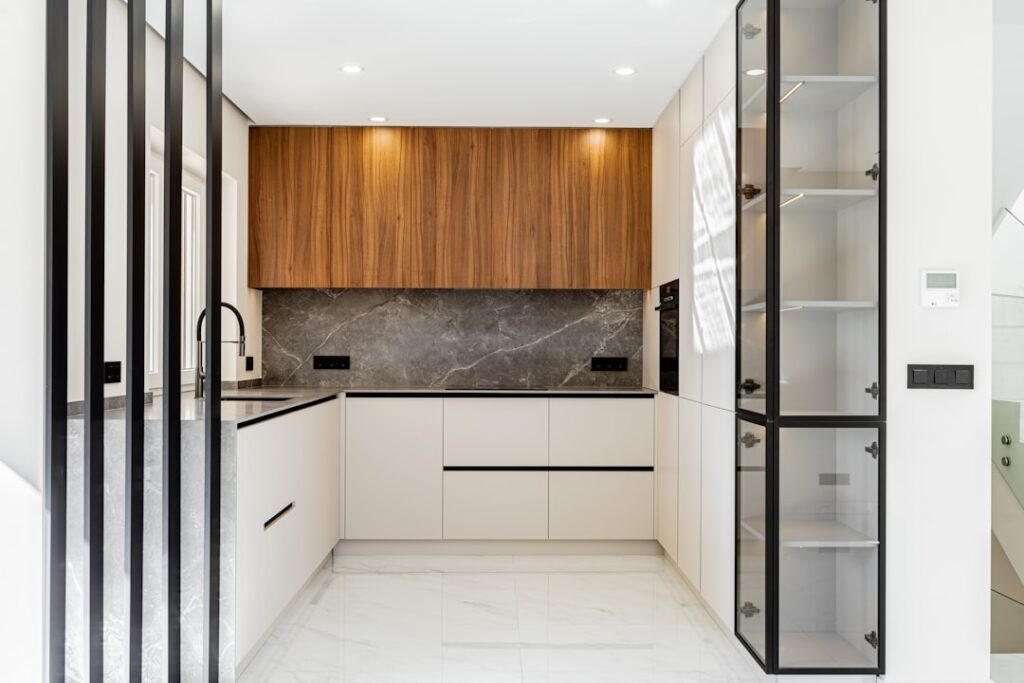
Choosing a backsplash for white cabinets is one of the most impactful design decisions you will make during a kitchen renovation. White cabinets are the most popular choice in American kitchens for good reason — they are bright, timeless, and versatile. But that versatility also means the backsplash has to do heavy lifting in defining the kitchen’s personality, because the cabinets themselves are a blank canvas.
Part of our Kitchen Remodeling guide — explore the full guide →
After more than three decades of designing and installing kitchens, we can say with confidence that the right backsplash elevates a white kitchen from clean and simple to stunning and intentional. The wrong one makes it look generic. This guide walks you through the best colors, materials, patterns, and design rules for pairing a backsplash with white cabinetry.
Best Backsplash Colors for White Cabinets
White cabinets pair well with almost any backsplash color, but some combinations deliver stronger results than others. Here are the color families that consistently work best:
White and off-white — A white-on-white kitchen feels bright, open, and serene. The key is introducing texture or pattern so the backsplash does not disappear into the cabinets. White subway tile, white marble, or white textured tile all maintain the monochromatic palette while adding visual interest.
Gray — Light to medium gray is the most popular backsplash color with white cabinets. Gray provides gentle contrast without competing with the cabinets. Carrara marble, gray porcelain, and gray glass tile are all excellent options.
Blue and green — Cool tones like navy, sage, seafoam, and aqua bring life and personality to a white kitchen without overwhelming it. These colors work particularly well in coastal, farmhouse, and transitional kitchens.
Black — A black backsplash with white cabinets creates high-contrast drama. This combination works in modern, industrial, and contemporary kitchens where a bold statement is the goal.
Warm neutrals — Beige, cream, taupe, and greige (gray-beige) add warmth to a white kitchen that can otherwise feel sterile. These tones pair especially well with warm-white or cream cabinets.
Bold and colorful — Emerald green, terracotta, yellow, and patterned cement tiles inject personality and serve as the kitchen’s focal point. White cabinets are the perfect backdrop for a bold backsplash because they do not compete for attention.
Top Material Choices
The material you choose affects the look, maintenance, and budget of your backsplash. These are the top picks for white cabinet kitchens:
- Ceramic and porcelain tile — The most versatile and budget-friendly option. Available in every color, size, and pattern. Costs $2 to $15 per square foot for materials.
- Natural stone — Marble, travertine, and slate add luxury and organic texture. Costs $10 to $50 per square foot and requires sealing.
- Glass tile — Reflective and luminous, glass tile brightens a white kitchen further. Costs $5 to $30 per square foot.
- Cement tile — Hand-poured with bold geometric or floral patterns. Creates a statement-making focal point. Costs $8 to $20 per square foot.
- Quartz slab — A seamless, grout-free surface that can match the countertop. Costs $15 to $40 per square foot installed.
- Metal tile — Stainless steel, copper, and brass tiles add industrial or warm metallic accents. Costs $10 to $40 per square foot.
Patterns and Layouts That Work
The tile layout has as much impact on the final look as the tile itself. Here are the patterns that pair best with white cabinets:
Brick lay (offset) — The classic subway tile pattern where each row is offset by half a tile. Clean, timeless, and universally flattering with white cabinets.
Herringbone — Tiles arranged in a V-shaped zigzag pattern. Herringbone adds movement and sophistication. It works with subway tile, marble, and wood-look tile.
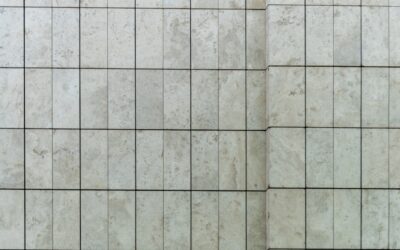
Vertical stack bond — Tiles stacked straight up and down with aligned grout lines. This contemporary layout draws the eye upward and feels modern and intentional.
Arabesque or lantern — Shaped tiles that create a Moorish-inspired pattern. These work beautifully in white or neutral tones against white cabinets, adding curve and movement to a room dominated by straight lines.
Hexagon — Honeycomb patterns in marble, porcelain, or glass add geometric interest. Large hexagons feel modern; small hexagons read as vintage.
Basket weave — An interlocking pattern that works particularly well in marble for a classic, elegant look with white shaker cabinets.
The Case for Subway Tile
Subway tile remains the single most popular backsplash for white cabinets, and for good reason. It is affordable, widely available, easy to install, and looks good in virtually every kitchen style. A standard 3×6 white subway tile with white grout costs as little as $1.50 per square foot and creates the clean, classic kitchen look that never falls out of fashion.
To keep a subway tile backsplash from feeling generic, consider these variations:
- Use an oversized format like 4×12 or 4×16 for a more modern proportion
- Choose a contrasting grout color — charcoal grout with white tile creates graphic impact
- Install in a herringbone or vertical stack pattern instead of the standard brick lay
- Select a handmade or zellige-style subway tile with irregular edges for artisan character
- Try a colored subway tile — sage, blue, or black — to add personality while keeping the familiar format
Marble and Natural Stone Options
Marble is the luxury standard for white cabinet kitchens. Carrara, Calacatta, and Statuario marble each have distinct vein patterns and price points.
Carrara marble — Gray veining on a white background. The most affordable and accessible marble option, costing $10 to $25 per square foot. Carrara works in both traditional and modern kitchens.
Calacatta marble — Bolder, more dramatic veining with warm gold and gray tones. Calacatta is rarer and more expensive at $25 to $60 per square foot. It is the premier choice for luxury white kitchens.
Statuario marble — The most dramatic of the three, with thick, dark veining on a bright white base. Statuario makes a strong design statement and costs $30 to $70 per square foot.
All natural marble requires periodic sealing to prevent staining from kitchen splashes. For a lower-maintenance alternative, marble-look porcelain tile or quartz slab delivers a similar aesthetic without the upkeep.
Bold Contrast Ideas
White cabinets are uniquely suited to bold backsplash choices because they provide a neutral frame that lets the backsplash be the star.
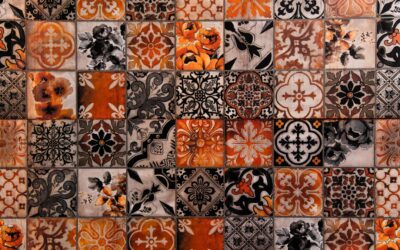
Patterned cement tile — Moroccan, Spanish, or geometric cement tiles in black and white or vivid colors create an eye-catching focal wall. Keep the rest of the kitchen simple to let the pattern shine.
Dark natural stone — Black granite, soapstone, or dark slate against white cabinets delivers a striking tuxedo effect. This pairing is especially powerful in modern and transitional kitchens.
Zellige tile — Handmade Moroccan zellige tile with its slightly irregular surface and rich glaze adds artisan character. Green, blue, and terracotta zellige against white cabinets is a design-forward choice gaining momentum in 2026.
Graphic mosaic — Large-scale mosaic patterns featuring geometric shapes or organic motifs serve as kitchen artwork. Confine the pattern to the area behind the range for maximum impact without visual overload.
Design Rules to Follow
These guidelines help you make confident decisions when selecting a backsplash for white cabinets:
- Match the white — If your cabinets are warm white or cream, avoid a backsplash with blue-white undertones. Cold whites next to warm whites look mismatched. Hold samples against your actual cabinet doors in the kitchen’s lighting.
- Consider the countertop — The backsplash should complement both the cabinets and the countertop. If your countertop is busy (like a heavily veined marble), keep the backsplash simple. If the countertop is solid, the backsplash can be more decorative.
- Scale matters — Large-format tiles make small kitchens feel bigger. Small mosaics add detail but can feel busy in a large space. Match the tile scale to the room size.
- Grout color is a design decision — White grout disappears. Gray grout defines each tile. Dark grout creates a graphic pattern. Decide on the look you want before choosing grout.
- Extend to the ceiling when possible — Taking the backsplash all the way to the ceiling (on walls without upper cabinets) creates a dramatic, designer-level look that a standard 18-inch backsplash cannot match.
- Limit competing patterns — If the backsplash has a strong pattern, keep the countertop, flooring, and window treatments simple. One bold element per room prevents visual chaos.
Cost Ranges by Material
Here are installed costs for a standard 30-square-foot backsplash with white cabinets in 2026:
- Ceramic subway tile — $250 to $600 installed
- Porcelain tile — $350 to $900 installed
- Glass tile — $450 to $1,500 installed
- Natural marble — $600 to $2,500 installed
- Cement tile — $500 to $1,200 installed
- Quartz slab — $600 to $1,800 installed
The backsplash is one of the smaller surfaces in a kitchen, so even premium materials remain relatively affordable compared to countertops or cabinetry. Investing in a quality backsplash delivers outsized visual impact for the money.
Frequently Asked Questions
What is the most timeless backsplash for white cabinets?
White subway tile in a classic brick-lay pattern is the most timeless option. It has been popular for over a century and shows no signs of falling out of favor. Carrara marble is a close second for a more luxurious take on the same clean, neutral aesthetic.
Should the backsplash match the countertop or the cabinets?
The backsplash should complement both, but it does not need to match either exactly. With white cabinets, the backsplash often serves as the bridge between the cabinet color and the countertop. Pulling a secondary color from a veined countertop into the backsplash is an effective design strategy.
Is a white backsplash with white cabinets too much white?
Not if you vary the texture, material, or pattern. A white marble backsplash with white shaker cabinets and a dark countertop is a designer-standard combination. The marble veining and tile texture prevent the space from feeling flat or washed out.
What backsplash color makes a small kitchen look bigger?
Light colors — white, cream, pale gray, and soft blue — reflect light and make a small kitchen feel more open. Large-format tile with minimal grout lines also helps by reducing visual clutter. Glossy or glass tile adds reflectivity that enhances the sense of space.
Can I mix backsplash materials with white cabinets?
Yes. A common approach is to use a statement tile behind the range (like a decorative pattern or mosaic) and a simpler complementary tile on the remaining walls. This creates a focal point without overwhelming the room. Keep both materials in the same color family for a cohesive result.
Prefer to explore on your own?
See how new flooring looks in your actual room in seconds — free, no signup.
Try the free Floor Studio →