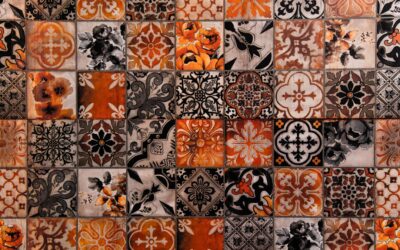
The backsplash is the one design element in a kitchen that ties the countertops, cabinets, and wall color into a single story. Most homeowners spend weeks choosing a countertop and then treat the wall behind it as an afterthought, which is exactly backward. The best kitchen counter backsplash ideas start with the surface you already committed to and build outward from there. Get the pairing right and a $40-per-square-foot laminate counter can read as custom. Get it wrong and even a slab of Calacatta quartz looks flat.
Part of our Kitchen Remodeling guide — explore the full guide →
- Match the Backsplash to Your Countertop First
- Subway Tile and Its Endless Variations
- Full-Height Slab Backsplashes
- Natural Stone and Zellige for Texture
- Color and Pattern for Personality
- Budget-Friendly Backsplash Options
- Height, Outlets, and the Details That Get Overlooked
- Trends Worth Following and Ones to Skip
- Coordinating With Cabinets and Hardware
- Bringing Your Kitchen Counter Backsplash Ideas Together
Match the Backsplash to Your Countertop First
Before you fall in love with a Pinterest board, pull a sample of your countertop and hold it against candidate tiles in your actual kitchen light. A busy granite with heavy movement wants a quiet backsplash, usually a solid or subtly textured tile in a neutral that picks up one of the stone’s minor tones. A plain white or gray quartz, by contrast, can carry a bolder pattern, a colored zellige, or a dramatic vein-matched slab.
Undertones matter more than color names. A “white” subway tile can lean warm cream or cool blue-gray, and the wrong lean fights a countertop that goes the other direction. Buy one or two loose tiles before committing to 40 square feet, and live with them taped to the wall for a few days.
Subway Tile and Its Endless Variations
The classic 3×6 white subway tile remains popular because it is cheap, timeless, and forgiving, running roughly $2 to $8 per square foot for standard ceramic. But the format has grown well past the original. Consider these directions:
- Layout changes: a vertical stack, herringbone, or 1/3 offset reads far more current than the standard brick pattern
- Grout color: a dark charcoal grout against white tile creates a graphic grid, while a matched grout makes the wall recede
- Size shifts: long, skinny 2×8 or 3×12 tiles feel modern; small 2×4 tiles feel cottage
- Finish: a handmade, slightly wavy glaze catches light in a way flat machine-made tile never will
If your budget is tight but you want the space to feel considered, spend your creativity on the layout and grout rather than an expensive tile.
Full-Height Slab Backsplashes
Running the same material as your countertop straight up the wall, all the way to the underside of the upper cabinets, is one of the strongest looks available right now. A full-height quartz or quartzite slab eliminates grout lines entirely, which means no more scrubbing behind the range and a seamless, luxurious plane. Vein-matched marble-look quartz creates a book-matched waterfall effect that looks like a designer showroom.
The trade-off is cost. A slab backsplash can add $1,000 to $3,000 depending on material and the square footage you cover, and any electrical outlets have to be cut into the stone precisely. For a range wall or a single dramatic focal area, it is money well spent. For an entire U-shaped kitchen, the number climbs fast.
Natural Stone and Zellige for Texture
When a kitchen feels too flat, texture is usually the fix. Zellige tiles, the handmade Moroccan clay squares, have irregular surfaces and color variation that make a wall feel alive. Expect to pay $15 to $50 per square foot and to accept that the imperfections are the point. Marble mosaics, tumbled travertine, and split-face stone deliver a similar hand-crafted depth.
Natural stone does demand sealing and is more vulnerable to grease and acidic splatter behind a cooktop, so weigh that against the payoff. In a low-splatter zone like a coffee bar or a bathroom vanity, stone is nearly maintenance-free.
Color and Pattern for Personality
Neutral kitchens dominate resale advice, but a backsplash is a relatively low-commitment place to add color because it covers a small area and is easier to replace than cabinets. Deep green, cobalt blue, and terracotta glazed tiles pair beautifully with white or wood cabinetry. Patterned cement tiles bring a graphic, Mediterranean energy to an otherwise plain kitchen.
If you love pattern but worry about longevity, confine it to a contained panel, such as the area behind the range framed by a simple metal edge trim. That gives you a focal moment without committing the whole room to a trend.
Budget-Friendly Backsplash Options
Not every kitchen justifies a stone slab. Several materials deliver a finished look for a fraction of the price:
- Peel-and-stick tile: $8 to $20 per square foot, renter-friendly, and installable in an afternoon with no thinset
- Large-format porcelain: fewer grout lines than mosaics and often under $10 per square foot
- Beadboard or shiplap: a painted wood panel reads farmhouse and costs very little
- Stainless steel sheet: a pro-kitchen look behind the range that wipes clean instantly
These lower-cost routes work best when the rest of the kitchen carries the design weight, letting the backsplash play a supporting role.
Height, Outlets, and the Details That Get Overlooked
The standard backsplash gap between a counter and upper cabinets is 18 inches, and how you handle that band changes the whole feel. A backsplash that stops at a random tile height looks unfinished; end it at a cabinet line, a window sill, or the underside of the uppers instead. Outlets are the detail that separates amateur jobs from professional ones. Installing them horizontally, or using color-matched cover plates, keeps them from chopping up your tile pattern.
Plan your tile layout so a full tile lands at the most visible edges and cuts fall in the corners. A quick dry-lay on the counter before you mix any thinset will show you exactly where the awkward slivers want to appear, and lets you shift the whole field an inch to avoid them.
Trends Worth Following and Ones to Skip
Backsplash fashion moves quickly, and a few current directions are worth leaning into because they photograph beautifully and still feel livable. Vertical stacked tile, warm handmade zellige, and full-height slab installs all read fresh right now and are unlikely to look dated in five years because they lean on quality materials rather than gimmicks. Muted earthy tones, sage green, warm clay, and soft cream, are replacing the cool gray-and-white kitchens that dominated the last decade.
Some trends, though, age fast. Ultra-glossy tiny glass mosaics, heavily patterned peel-and-stick in a busy print, and trend-chasing metallic accents can look tired quickly and are expensive to replace. If you love a bold current look, confine it to a small, easily swapped area rather than committing the whole kitchen. The safest long-term strategy is a quiet, high-quality field tile with the personality coming from layout, grout choice, and a single accent zone.
Coordinating With Cabinets and Hardware
A backsplash never lives in isolation; it sits in a triangle with your cabinets and countertop, and the three have to speak the same language. Warm wood or cream cabinets pull toward warm-toned tile and brass or bronze hardware, while crisp white or charcoal cabinets can carry cooler tile and matte black or nickel fixtures. Pick up the metal finish of your faucet and cabinet pulls in a subtle way, whether through a thin metal edge trim on the backsplash or a tile with a faint metallic fleck, so the whole kitchen feels intentional.
Stand in the room and squint at the three surfaces together. If one fights the others, adjust the backsplash, since it is the smallest and cheapest of the three to change your mind on before installation day.
Bringing Your Kitchen Counter Backsplash Ideas Together
The kitchens that photograph well and still feel livable years later share one trait: restraint in the right places and one clear focal point. Pick a lead material, whether that is a dramatic slab, a colored zellige, or a simple handmade subway tile, and let everything else stay quiet. When you audition your final kitchen counter backsplash ideas, view samples in morning and evening light, against your real cabinets and counter, before you buy a single box. That one habit prevents the most expensive mistake in the room.
Order 10 to 15 percent extra tile for cuts, breakage, and future repairs, and keep a few spares in the garage. Backsplashes outlast trends when the material is genuinely good, so invest in quality where your eye lands most and save on the runs that hide behind the toaster.