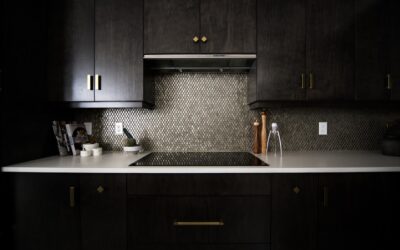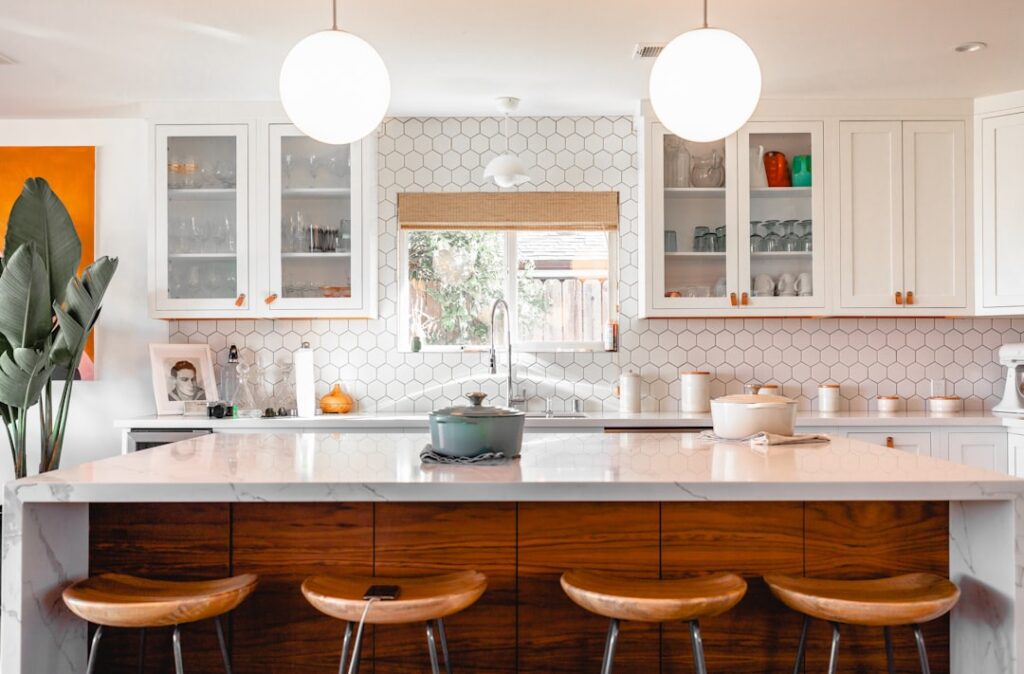
The kitchen is the hardest-working room in the house, and nothing shapes its look faster than tile. From a sleek slab backsplash to a warm large-format floor, modern kitchen tile balances clean lines, low maintenance, and personality in a space where beauty and durability both matter. Today’s designs favor simplicity, honest materials, and thoughtful texture over fussy patterns. In this guide we will explore the materials, formats, colors, and layouts defining contemporary kitchens, along with realistic costs and buying tips to help you choose confidently.
Part of our Kitchen Remodeling guide — explore the full guide →
- What Defines Modern Kitchen Tile
- Popular Materials for Modern Kitchens
- Trending Formats and Layouts
- Color Palettes That Feel Current
- How Much Does Modern Kitchen Tile Cost
- Balancing Beauty and Practicality
- Installation Tips for a Clean Result
- Backsplash vs Floor: Different Priorities
- Coordinating Tile With the Whole Kitchen
- Trends Worth Following and Ones to Skip
- Budgeting Smartly for Kitchen Tile
- Final Thoughts
What Defines Modern Kitchen Tile
Contemporary design leans toward restraint. A modern kitchen tile scheme usually features larger formats with fewer grout lines, muted or monochrome palettes, and matte or satin finishes rather than high gloss. Texture does the heavy lifting: think concrete looks, subtle stone veining, fluted surfaces, and handmade variation. The goal is a calm, uncluttered field that lets the cabinetry, counters, and lighting shine. Even when color appears, it tends toward earthy greens, warm terracottas, deep charcoals, and soft neutrals rather than bright primaries.
While you’re upgrading the kitchen floor, it might be a good time to rethink the seating too. Swapping out old bar stools is one of those small changes that makes the whole room feel more pulled together.
We may earn a commission when you purchase through our links.
Popular Materials for Modern Kitchens
Material choice drives both the look and the long-term performance of your kitchen:
- Porcelain: The modern workhorse. It is hard, water-resistant, low-maintenance, and available in convincing stone, concrete, and marble looks.
- Ceramic: Affordable and versatile for backsplashes, with endless color and shape options.
- Natural stone: Marble, quartzite, and slate bring authentic depth but need sealing and gentler care.
- Glass: Reflective and easy to clean, ideal for a bright, seamless backsplash.
- Cement and encaustic: Bold pattern for a statement floor, though they require sealing.
For floors, large-format porcelain dominates modern kitchens because it minimizes grout lines, resists spills, and mimics wood or stone without the maintenance.
Trending Formats and Layouts
Format is where modern and traditional part ways most clearly. Contemporary kitchens favor:
- Large-format tiles (12×24, 24×24, and bigger): Fewer grout lines create a seamless, expansive feel.
- Slab and full-height backsplashes: A single continuous surface from counter to hood reads sleek and luxurious.
- Vertical stacked subway: Turning classic subway on end for a crisp, updated grid.
- Elongated skinny tiles: 2×8 or 3×12 formats that feel fresh and architectural.
- Fluted and dimensional tile: Vertical ridges that add shadow and texture to a feature wall.
Herringbone remains popular but is used sparingly, often reserved for a single accent zone rather than an entire wall.
Color Palettes That Feel Current
Modern kitchens favor cohesive, tonal palettes. Warm whites and creams keep spaces bright and timeless. Soft greens and sage add organic calm, while deep charcoal and black bring drama against light counters. Terracotta and clay tones warm up minimalist rooms, and concrete grays suit an industrial edge. The key is coordination: choosing a backsplash and floor that share an undertone so the kitchen reads as one intentional composition rather than a collection of separate choices.
How Much Does Modern Kitchen Tile Cost
Budget depends on material and where the tile goes. Realistic figures for the tile alone:
- Ceramic backsplash tile: $3 to $10 per square foot.
- Porcelain floor tile: $4 to $12 per square foot.
- Large-format and slab-look porcelain: $8 to $20 per square foot.
- Natural stone: $10 to $30 per square foot.
Installation adds $8 to $18 per square foot, more for large-format tile that demands a perfectly flat substrate and special handling. A backsplash project often totals $500 to $1,500, while a kitchen floor can run $1,500 to $5,000 depending on size and material. Always order 10 to 15 percent extra for cuts and future repairs.
Balancing Beauty and Practicality
A modern kitchen tile choice has to survive spills, grease, dropped pots, and daily foot traffic. Prioritize porcelain or glazed ceramic for their stain and water resistance. On floors, look for a slip-resistance rating suitable for kitchens and avoid highly polished surfaces that show every scuff and become slick when wet. For backsplashes, a smooth, less-textured tile behind the range is far easier to wipe clean than a deeply dimensional one. Matching the tile’s practicality to how you actually cook will save years of frustration.
Installation Tips for a Clean Result
- Flatten the substrate first; large-format tile magnifies any dips into visible lippage.
- Use the right trowel size and back-butter big tiles for full mortar coverage.
- Choose a grout color that matches the tile for a seamless modern look, or a subtle contrast for gentle definition.
- Keep grout lines tight and consistent, a hallmark of contemporary installation.
- Seal natural stone and cement tile before and after grouting to prevent staining.
Backsplash vs Floor: Different Priorities
The two main tile zones in a kitchen have different demands, and treating them the same is a common mistake. A backsplash is a vertical surface that rarely takes abrasion, so you can prioritize looks, using glass, handmade ceramic, or dramatic slab porcelain, as long as the surface behind the range is smooth enough to wipe clean. A floor, by contrast, endures foot traffic, dropped pans, and standing water, so durability and slip resistance come first. Here, dense porcelain with an appropriate slip rating is the smart choice, and a matte or textured finish hides scuffs and provides grip better than a glossy surface that becomes slick when wet.
Coordinating Tile With the Whole Kitchen
The most successful modern kitchens read as a single composition rather than a set of separate decisions. Pull the backsplash and floor tones from the same undertone family so they feel intentional together, and let one surface be the star while the others play supporting roles. If you choose a bold, veined slab backsplash, keep the floor calm and neutral. If the floor is a dramatic patterned tile, simplify the backsplash. Coordinate with countertops and cabinetry too, considering how the tile’s finish and color will look next to your counter material and hardware under both daylight and evening lighting.
Trends Worth Following and Ones to Skip
Some contemporary tile trends have real staying power, while others may date quickly. Large-format porcelain, tonal palettes, and slab backsplashes are safe, enduring choices that will still look current in a decade. Textured and fluted feature walls add lasting architectural interest. On the other hand, very trendy colors or novelty shapes carry more risk, so reserve them for easily changed accents rather than expensive, permanent installations. When in doubt, keep the large, costly surfaces neutral and timeless, and express personality through accessories, paint, and smaller details you can update affordably later.
Budgeting Smartly for Kitchen Tile
A modern kitchen tile project can range from a modest refresh to a major investment, so it helps to allocate your budget strategically. The backsplash is a relatively small area, which means you can splurge on a premium handmade, glass, or slab-look tile there without a huge overall cost, getting maximum impact for the dollars spent. The floor covers far more square footage, so choosing a durable mid-range porcelain in a stone or wood look often delivers the best balance of longevity and value. Reserve the highest-end materials for the surfaces people see and touch most. Do not forget to budget for proper substrate preparation and quality installation, since even the most beautiful tile fails if the base is uneven or the setting is rushed. Spending wisely on the right zones lets you achieve a high-end look without overspending on areas where a mid-priced tile performs just as well.
Final Thoughts
Choosing the right modern kitchen tile comes down to balancing clean, current aesthetics with the practical demands of a busy room. Favor larger formats and fewer grout lines, lean on durable porcelain, coordinate undertones across backsplash and floor, and keep the palette tonal and calm. Whether you install a dramatic slab backsplash or a warm wood-look porcelain floor, the best modern kitchen tile feels effortless, wears well, and lets the rest of your kitchen shine. Plan carefully, buy a little extra, and you will end up with a space that looks designed rather than decorated.
Prefer to explore on your own?
See how new flooring looks in your actual room in seconds — free, no signup.
Try the free Floor Studio →