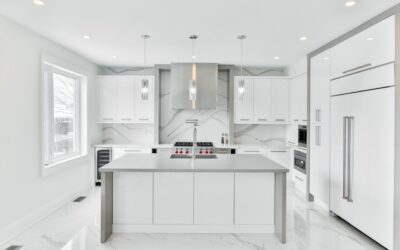
Few countertop choices play as well with as many kitchens as gray quartz. It is the neutral that never feels boring, pairing effortlessly with white shaker cabinets, warm walnut, and bold navy alike. As an engineered surface, it combines the look of natural stone with consistency, durability, and almost no maintenance, which explains why it has become a default pick in remodels across the country.
Part of our Countertops guide — explore the full guide →
This guide explores the range of gray tones available, how engineered quartz is made, realistic price expectations, and how to keep the surface looking new. Whether you lean toward a soft dove gray or a dramatic charcoal, knowing the trade-offs helps you choose confidently.
What Engineered Quartz Actually Is
Despite the name, a quartz countertop is not cut from a solid quartz boulder. It is an engineered product, typically around 90 to 93 percent ground natural quartz blended with resins and pigments, then compacted and cured into rigid slabs. That manufacturing process is the source of its biggest advantages: the surface is non-porous, highly consistent from slab to slab, and free of the natural fissures that can appear in stone like marble or granite.
Because color comes from added pigments, manufacturers can dial in precise grays and patterns, from uniform solids to convincing marble-look veining. You get the stone aesthetic with engineered predictability.
The Range of Gray Tones
Gray is not one color but a whole family, and the shade you pick sets the mood of the room. Popular directions include:
- Soft, light grays that read almost white and keep a kitchen bright and airy.
- Warm greige tones that blend gray and beige, flattering wood cabinetry.
- Cool mid-grays with subtle movement, a safe, timeless middle ground.
- Marble-look grays with flowing veins that mimic Carrara or Calacatta.
- Deep charcoal and graphite for dramatic, modern contrast.
Finish matters too. A polished surface amplifies depth and reflects light, while a honed or matte finish gives a soft, contemporary feel that hides fingerprints differently.
Why Homeowners Love It
The practical case is strong. Because engineered quartz is non-porous, it resists staining from coffee, wine, and oil far better than many natural stones, and it never needs sealing. The surface is hard and scratch-resistant under normal use, and the controlled manufacturing means the slab you approve closely matches what gets installed. Gray specifically offers design flexibility: it hides everyday crumbs and water spots better than stark white, yet stays neutral enough to outlast trends and survive a future cabinet repaint.
Price Expectations
Costs depend on brand, pattern complexity, slab thickness, and your local market, so treat these as planning estimates rather than quotes. Installed, gray quartz commonly falls in the range of roughly $50 to $120 per square foot, with simple solids at the lower end and intricate marble-look designs from premium brands reaching the higher end or beyond. Edge profiles, waterfall ends, and extra cutouts add cost. Always collect multiple local quotes, and ask whether the price includes templating, fabrication, and installation, because those line items vary between fabricators.
Care and Everyday Maintenance
One of the strongest selling points is how little upkeep the surface demands. To keep it pristine:
- Wipe spills with mild soap and water or a non-abrasive cleaner.
- Skip harsh chemicals like bleach or high-pH degreasers, which can dull the resin over time.
- Avoid abrasive scrubbing pads that may scratch the polish.
- Never place hot pans directly on the surface; always use trivets.
That last point matters. Although quartz is heat-resistant, the resin binder can scorch or discolor under sudden high heat, so a hot pot straight from the burner can leave a permanent mark.
Where Gray Quartz Fits the Design
Beyond kitchen counters, the material works for islands, bathroom vanities, waterfall edges, backsplashes, and even fireplace surrounds. Light grays brighten small kitchens and pair beautifully with brass or matte-black hardware. Mid-tones balance busy backsplashes. Deep charcoal makes a statement island against pale perimeter counters, a two-tone look that remains popular. Veined gray slabs give you the coveted marble appearance without marble’s etching and staining worries, a practical compromise many homeowners appreciate.
How It Compares to Granite and Marble
Choosing a countertop usually comes down to a three-way comparison, and gray quartz holds up well against the natural stones it imitates. Against granite, quartz wins on consistency and maintenance, since granite is porous, needs periodic sealing, and varies slab to slab, while quartz is non-porous and predictable. Granite, however, tolerates direct heat better. Against marble, the contrast is even starker: marble is prized for its veining but is soft, porous, and easily etched by acids like lemon juice and wine.
Quartz gives you the coveted marble look without the constant worry of staining and etching, which is exactly why veined gray quartz has become so popular in kitchens. The trade-off is authenticity. Purists who want a one-of-a-kind natural surface with unrepeatable character will prefer real stone, and they accept the extra upkeep that comes with it. For everyone else, engineered quartz offers the best balance of beauty and practicality.
Pairing Gray Quartz in Your Kitchen
Getting the surrounding palette right makes the counter sing. A few combinations consistently look great:
- Light gray with white cabinets for a bright, timeless, slightly contemporary kitchen.
- Mid-gray with natural wood for a warm, balanced, organic feel.
- Charcoal islands against pale perimeter counters for a bold two-tone statement.
- Veined gray with navy or deep green cabinetry for a rich, layered look.
Hardware and fixtures finish the picture. Brass and gold warm up cool grays, matte black sharpens a modern scheme, and brushed nickel keeps things classic. Bring a cabinet door and flooring sample when you view slabs so you can confirm the undertones agree in your actual lighting.
Is It the Right Choice for You?
For most kitchens, gray quartz delivers a rare combination of beauty, durability, and low maintenance that is hard to beat. It is not the pick for someone who wants a true one-of-a-kind natural stone with unrepeatable veining, and it is sensitive to direct heat and prolonged UV exposure, so it suits indoor use best. But if you want a surface that looks high-end, shrugs off daily life, and never needs sealing, it earns its popularity. Visit a stone yard or showroom to view full slabs in person, since small samples rarely capture how a pattern reads across a whole counter, and bring a cabinet door or flooring sample to check the undertones in real light before you commit.