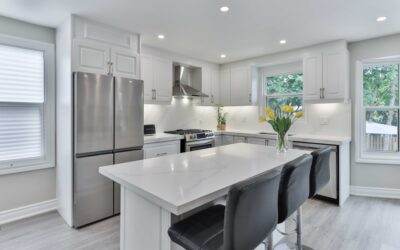
A backsplash is one of the cheapest places in a kitchen to make a personal statement, and one of the easiest to get wrong. The best kitchen backsplash design ideas balance practicality, scale, and color temperature against the rest of the room. A 4 by 12 inch white subway tile installed perfectly will look better than imported Italian zellige cut by a tired tile setter on a Sunday. Material choice matters less than execution.
Part of our Kitchen Remodeling guide — explore the full guide →
Classic Subway Tile and Its Modern Variations
Subway tile is still the volume leader for a reason. At $2 to $8 per square foot for ceramic from Daltile or Glazzio, it works in everything from a 1920s bungalow to a brand-new Scandi-modern build. The variations carry the design weight: stack the tile vertically for a contemporary feel, run a 1/3 offset for a softer look than the traditional 1/2 offset, or switch to handmade zellige from Clé Tile or Bedrosians for the dimpled, sun-touched surface that has dominated design magazines for the past five years.
Color matters more than pattern. Off-white tile with light gray grout reads cleaner than bright white tile with white grout, which yellows within a year over a working range. For grout, look at Mapei Ultracolor Plus FA in Pearl Gray or Custom Building Products Polyblend Plus in Silver Shadow.
Slab Backsplashes With Continuous Veining
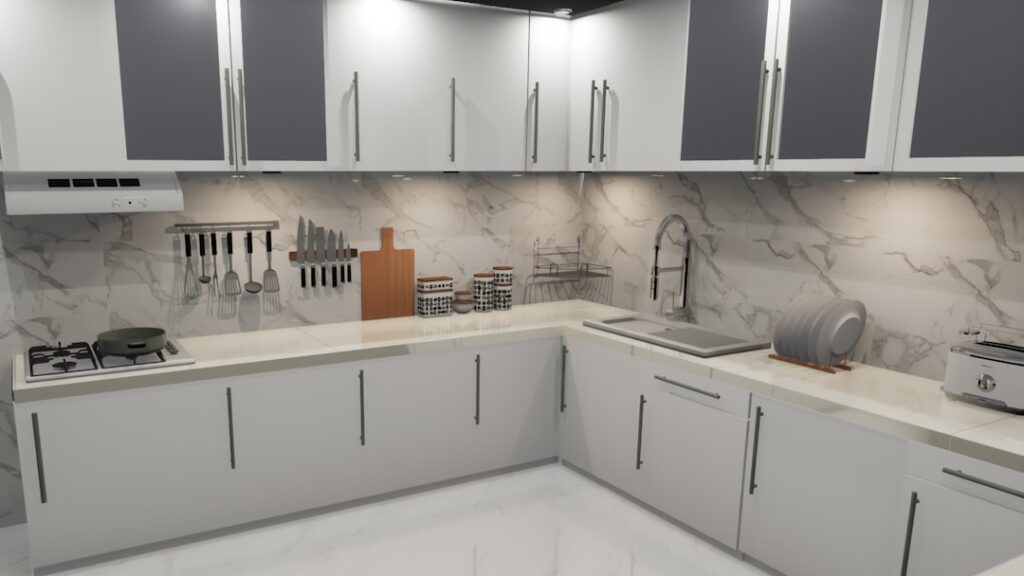
The slab backsplash has replaced the 4-inch granite ledge as the upgrade move in higher-end kitchens. Quartz, quartzite, or marble carries up the wall behind the range and ties countertop to wall with continuous veining. Expect $80 to $200 per square foot installed depending on stone choice and edge profile. Cambria Brittanicca Gold, Calacatta Laza Quartz from MSI, and book-matched Taj Mahal quartzite are the most-specified slabs in design magazines through 2025.
A slab backsplash hides outlets cleaner than tile, and it eliminates grout maintenance entirely. Verify your stone fabricator can cut and template a single piece up to 132 inches before committing to a long run, and confirm the slab thickness fits behind your hood and existing upper cabinets.
Mosaic Patterns and Mixed Materials
Mosaics work best in defined zones, especially behind the range. A 4 by 4 foot panel of penny round, herringbone, or hex mosaic from MSI or Marazzi creates a focal point without dominating the kitchen. Prices run $9 to $30 per square foot for the tile, plus $10 to $20 per square foot to set because of the additional labor. For a budget-friendly version, run a 12 by 12 inch mosaic sheet only behind the range and bridge to subway tile elsewhere using a 1/4 inch Schluter edge in matching color.
Color-Forward Backsplashes
White was the safe bet through 2020. Through 2025 and into the future, color-forward design has earned its place:
- Green: Sage, olive, forest green zellige paired with brass hardware reads warm and timeless
- Blue: Hague Blue, Newburyport Blue, or chambray porcelain plays well with natural wood
- Terracotta: Saltillo or terracotta zellige fits Spanish colonial and Mediterranean styles
- Black: Matte black ceramic in 2 by 8 inch format under brass or unlacquered hardware
- Pink: Soft blush or salmon paired with white cabinets and warm oak floors
The trick with color is committing fully. A timid mid-tone gray-blue tile usually ages worse than either a bold saturated color or a true off-white.
Brick and Brick-Look Tiles
Real thin-brick veneer at 5/8-inch thickness costs $7 to $14 per square foot at Lowe’s and lays up against drywall with mortar and ties. It adds texture and warmth that ceramic cannot replicate but also collects grease and cooking soot, especially behind a gas range. Seal real brick with Miracle Sealants 511 Porous Plus, $40 per quart, before grouting. For lower maintenance, brick-look porcelain from Marazzi Brickwork or Daltile Brixton runs $5 to $10 per square foot and wipes clean with any pH-neutral cleaner.
Backsplash Heights and Where to Stop
Standard backsplash height is 18 inches between counter and upper cabinet, sometimes 21 inches when wall ovens are involved. Three reasonable termination strategies:
- Cabinet to cabinet: backsplash fills the space between uppers, sides terminate at the cabinet
- Full height to ceiling: tile or slab runs to the ceiling behind range or sink for impact
- Wrap around windows: tile carries up past the cabinets and into a window casing for continuity
Full-height runs raise the cost 30 to 60 percent because of additional material and cuts but create the strongest visual statement in open kitchens.
Installation Costs and DIY vs Pro
Tile installation runs $10 to $25 per square foot for labor across most US markets, with mosaic and zellige at the upper end. A typical 30 square foot backsplash runs $600 to $1,400 in labor plus $200 to $1,500 in material. DIY is realistic for a confident homeowner with a wet saw rental ($60 per day at Home Depot), a margin trowel, and a weekend. Mosaic sheets and zellige are forgiving; large-format tile and slab backsplashes are not. If you have never set tile, start with a small powder bath and learn there before tackling a kitchen.
Grout, Sealer, and Long-Term Maintenance
Grout choice determines how the backsplash looks five years in. Epoxy grouts like Mapei Kerapoxy CQ are stain-resistant, never need sealing, and cost $30 to $50 per unit, but they set fast and require careful work. Cementitious grout sealed with Aqua Mix Sealer’s Choice Gold, $35 per quart, is the standard and easier to install. Reseal every two years over a working range. Caulk the joint where the backsplash meets the countertop with a color-matched silicone like Color Rite, not grout, to handle the small movement between the two surfaces without cracking. Plan tile orders with at least 10 percent overage for cuts, breakage, and future repairs, since dye lots can vary substantially between production runs.