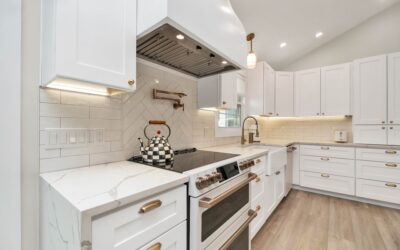
If you walk through a hundred newly remodeled kitchens, you will see the same material on the wall behind the stove again and again: white subway tile. So what is the most popular backsplash for kitchen projects today? The clear answer is glossy ceramic subway tile, with porcelain, glass mosaic, and large-format slabs close behind. The “most popular” choice is rarely an accident. It hits the sweet spot of price, durability, and a look that resells well.
Part of our Kitchen Remodeling guide — explore the full guide →
- Subway Tile Still Leads the Pack
- Porcelain and Ceramic: The Workhorses
- Glass Mosaic for Shine and Color
- Large-Format Slabs and Quartz Backsplashes
- Natural Stone and Marble Looks
- How to Choose the Right Backsplash
- Installation Costs to Expect
- Trends Shaping Backsplash Choices Now
- Maintenance and Longevity
- The Bottom Line
Subway Tile Still Leads the Pack
Classic 3-by-6-inch subway tile remains the single most requested backsplash in American kitchens. It is affordable, usually $2 to $10 per square foot for the tile itself, and it works in nearly any style from farmhouse to modern. White is the default, but you will see soft grays, sage greens, and warm beiges trending now.
What keeps subway tile on top is flexibility. Lay it in a standard brick offset for a timeless feel, stack it vertically for a contemporary edge, or run a herringbone pattern for something with more movement. The grout color changes everything. White grout disappears into the tile, while a charcoal or gray grout frames each piece and hides cooking splatter better over time.
Porcelain and Ceramic: The Workhorses
Beyond the subway format, plain ceramic and porcelain tiles dominate because they shrug off heat, grease, and moisture. Porcelain is denser and slightly more durable, which matters less on a vertical wall than on a floor, but it does resist staining well. Expect to pay a little more for porcelain, often $5 to $15 per square foot.
These tiles come in dozens of finishes, including matte, satin, and high gloss. Matte hides fingerprints and water spots, a real advantage near a busy sink. Glossy reflects light and makes a small kitchen feel brighter and larger.
Glass Mosaic for Shine and Color
Glass mosaic sheets are the go-to when a homeowner wants color, sparkle, or a custom blend. Because glass is non-porous, it cleans up with a quick wipe and never stains. The mesh-backed sheets also make tricky areas, like the strip between countertop and upper cabinets, faster to tile.
The tradeoff is cost and installation difficulty. Quality glass mosaic runs $15 to $40 per square foot, and cutting it cleanly requires the right blade and a patient hand. Many people use glass as an accent band rather than covering the entire wall, which keeps the budget reasonable.
Large-Format Slabs and Quartz Backsplashes
A fast-growing trend is the slab backsplash, where a single sheet of quartz, porcelain, or natural stone runs from counter to cabinet with no grout lines. Grout-free means no scrubbing and a sleek, uninterrupted look. It pairs beautifully with waterfall countertops in modern kitchens.
Slab backsplashes are the premium option. Material and fabrication often push the installed cost to $50 to $100 per square foot or more, especially if you match the slab to your countertop. For homeowners who hate cleaning grout, many feel it is worth every dollar.
Natural Stone and Marble Looks
Marble, travertine, and other natural stones offer a high-end, organic appearance that mass-produced tile cannot fully copy. Real marble tile or mosaic delivers veining and depth, but it is porous and needs sealing once or twice a year to resist stains from wine, oil, and acidic foods.
If you love the marble look without the maintenance, porcelain tiles printed to mimic Carrara or Calacatta marble have gotten remarkably convincing. You get the veining and the easy cleaning of porcelain at a fraction of the upkeep.
How to Choose the Right Backsplash
Popularity is a useful starting point, but the best backsplash for your kitchen depends on a few practical factors. Walk through these before you commit:
- Budget: Ceramic subway tile keeps costs low; slab and glass push them up.
- Cleaning habits: Non-porous glass, porcelain, and slab need the least maintenance.
- Style: Match the backsplash to your cabinets and countertop, not to a trend that may date quickly.
- Resale: Neutral, classic choices like white subway tile appeal to the widest pool of buyers.
- Kitchen size: Glossy and light-colored tile brightens small kitchens; bold patterns suit larger walls.
Installation Costs to Expect
For a typical backsplash covering 30 square feet, total installed cost usually lands between $1,000 and $2,500, depending on material and pattern complexity. Herringbone and mosaic layouts cost more in labor because they take longer to set and cut. A straightforward subway pattern in a small kitchen can come in under $1,000 if you supply the tile.
DIY is realistic for a confident homeowner on a simple straight-set layout, and it can cut the cost roughly in half. Just budget for a quality wet saw rental, spacers, thinset or mastic, and grout, plus a full weekend to let everything cure properly before sealing.
Trends Shaping Backsplash Choices Now
While subway tile holds the top spot, a few clear trends are influencing what homeowners pick. Vertical and stacked layouts are replacing the standard offset for a more current feel. Warmer, earthy grout colors are gaining ground over stark white, and handmade-look zellige tiles, with their slightly irregular surface and depth, are increasingly popular in higher-end remodels.
Texture is another rising theme. Fluted and three-dimensional tiles catch light and add interest to an otherwise flat wall, and full-height backsplashes that run all the way to the ceiling behind a range or open shelving make a dramatic statement. Even with these trends, the safest bets for broad appeal remain neutral colors and classic shapes.
Maintenance and Longevity
Part of subway tile’s staying power is how easy it is to live with. Glazed ceramic and porcelain wipe clean with a damp cloth and mild cleaner, and grease and splatter rinse right off the non-porous glaze. The grout lines are the only real upkeep, so sealing the grout after installation and resealing every year or two keeps it from staining and darkening.
Natural stone and marble require more attention because they are porous and need regular sealing to resist stains from oil, wine, and acidic foods. If low maintenance is a priority, glass, glazed ceramic, porcelain, and slab surfaces are the easiest to keep looking new for years.
The Bottom Line
White subway tile earns its place as the most popular backsplash for kitchens because it is affordable, durable, easy to install, and almost universally appealing. If you want more personality, glass mosaic accents and marble-look porcelain add character without straying far from what buyers love. And for a clean, modern statement with zero grout, a slab backsplash is the rising star. Choose the one that fits your budget and how you actually live, and you will be happy with it for years.