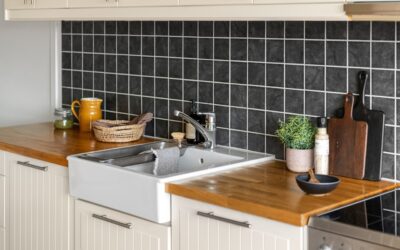
A backsplash protects your wall from grease, water, and tomato sauce while doing more to define a kitchen’s style than almost any other surface for the money. Choosing the best material for kitchen backsplash means weighing durability, how easy it is to wipe clean, installation difficulty, and cost per square foot, which ranges from a few dollars for basic ceramic to over $40 for slab stone. After installing dozens of these, I can tell you the right pick depends as much on how you cook and clean as on how it looks. Here are the top materials and where each one shines.
- Ceramic and Porcelain Tile: The Reliable Standard
- Glass Tile: Bright and Easy to Clean
- Natural Stone: Marble, Granite, and Travertine
- Quartz and Slab Backsplashes
- Budget-Friendly and DIY Options
- Maintenance and Cleaning by Material
- Coordinating With Countertops and Cabinets
- Installation: DIY or Hire a Pro
- Heat Resistance Behind the Stove
- How to Choose the Right One
Ceramic and Porcelain Tile: The Reliable Standard
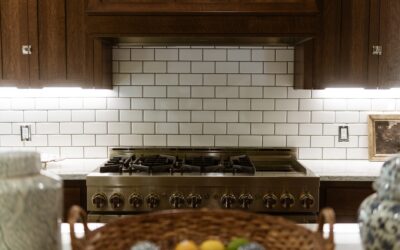
Ceramic tile is the most popular backsplash material for good reason: it’s affordable, durable, endlessly varied, and a confident DIYer can install it. Expect $5 to $15 per square foot installed for standard ceramic, with porcelain running slightly higher but offering even better moisture and stain resistance. The classic white subway tile remains a top seller because it suits nearly any kitchen.
The main maintenance point is grout, which can stain over time. Seal it once a year, or choose epoxy grout for a stain-proof, low-maintenance finish.
Glass Tile: Bright and Easy to Clean
Glass tile reflects light to make a kitchen feel larger and brighter, and its non-porous surface wipes clean with zero staining, no sealing required. It comes in mosaics, subway shapes, and large sheets, with prices from $7 to $30 per square foot installed. Glass is ideal behind a cooktop or sink where splatter is constant, since nothing soaks in.
The tradeoff is that glass shows fingerprints and water spots, and cutting it cleanly is tricky, so professional installation is often worth it.
Natural Stone: Marble, Granite, and Travertine
For a luxurious, high-end look, natural stone tile or slab brings unmatched depth and character. Marble offers timeless elegance, granite delivers durability, and travertine lends an earthy, rustic warmth. Stone runs $15 to $50 per square foot installed depending on the type and whether you choose tile or a full slab.
- Marble: stunning veining but porous; stains and etches from acids
- Granite: tough and heat-resistant; great paired with granite counters
- Travertine: warm and natural but needs regular sealing
All natural stone is porous and must be sealed periodically to resist oil and wine stains, so it demands more upkeep than glass or ceramic.
Quartz and Slab Backsplashes
A full-height slab backsplash, run in the same quartz or porcelain as your countertop, creates a seamless, ultra-modern look with no grout lines to clean. Quartz is non-porous, stain-resistant, and virtually maintenance-free. The catch is cost: a slab backsplash runs $50 to $100 per square foot installed, making it the premium choice. With no grout, though, cleanup is as easy as wiping a counter.
Budget-Friendly and DIY Options
If cost or rental rules are a concern, a few materials deliver style without a big commitment. Peel-and-stick tile and vinyl backsplash panels cost $5 to $15 per square foot, install in an afternoon with no grout, and peel off cleanly, perfect for renters. Stainless steel offers a sleek, professional-kitchen look and wipes down instantly, though it shows fingerprints. Beadboard or shiplap gives a cottage feel at low cost but needs sealing near water.
Maintenance and Cleaning by Material
How much scrubbing you’re willing to do should steer your choice. Non-porous surfaces win for low maintenance, since spills wipe off and never soak in. Porous materials look gorgeous but demand a sealing routine, and skipping it leads to stains you can’t remove.
- Glass and quartz: wipe with a damp cloth; never need sealing
- Ceramic and porcelain: easy to clean, but seal the grout yearly
- Natural stone: reseal every 6 to 12 months to resist oil and acid stains
- Stainless steel: wipes clean instantly but shows every fingerprint
Epoxy grout, while pricier and trickier to install, eliminates the grout-sealing chore entirely and stays bright for years, a worthwhile upgrade behind a busy stovetop.
Coordinating With Countertops and Cabinets
A backsplash never stands alone; it has to talk to the counters and cabinets around it. A busy granite or quartz countertop pairs best with a simple, quiet backsplash so the room doesn’t feel chaotic, while a solid-color counter gives you room to use a bold patterned or mosaic backsplash as the focal point. Carrying the countertop material up the wall as a slab backsplash creates a seamless, high-end look. For cabinet pairing, white subway tile brightens dark cabinets, while a colorful or textured backsplash adds warmth to plain white cabinetry.
Installation: DIY or Hire a Pro
Some materials are weekend-friendly and others aren’t. Peel-and-stick panels and standard ceramic subway tile are within reach for a patient DIYer with a tile cutter, saving $5 to $10 per square foot in labor. Glass tile, natural stone, and full slab backsplashes are best left to professionals, since glass cracks easily, stone needs precise wet-saw cuts, and slabs are heavy and unforgiving. Budget $40 to $60 per hour for a tile installer, and expect a typical backsplash to take one to two days.
Heat Resistance Behind the Stove
The area directly behind a cooktop or range takes the most abuse, so heat resistance matters there more than anywhere else. Ceramic, porcelain, glass, natural stone, and stainless steel all handle high heat without issue, which is why they dominate the stove zone. Avoid heat-sensitive materials like vinyl peel-and-stick panels, laminate, and certain plastics directly behind a gas burner, where they can warp, discolor, or even melt over time. If you love a less heat-tolerant material elsewhere in the kitchen, use a more durable tile or stainless panel as a focused backsplash behind the range and carry your favorite look across the rest of the wall.
How to Choose the Right One
Match the material to your habits. If you cook heavily and hate scrubbing, lean toward non-porous glass, quartz, or porcelain that wipe clean and never need sealing. If budget rules and you want classic style, ceramic subway tile is hard to beat. For a showpiece kitchen where maintenance isn’t a deal-breaker, natural stone delivers unmatched character.
The best material for kitchen backsplash ultimately balances your cooking style, cleaning tolerance, and budget. Decide how much upkeep you’ll realistically do, set your price per square foot, and the right surface, durable, easy to clean, and beautiful, will follow naturally from there.