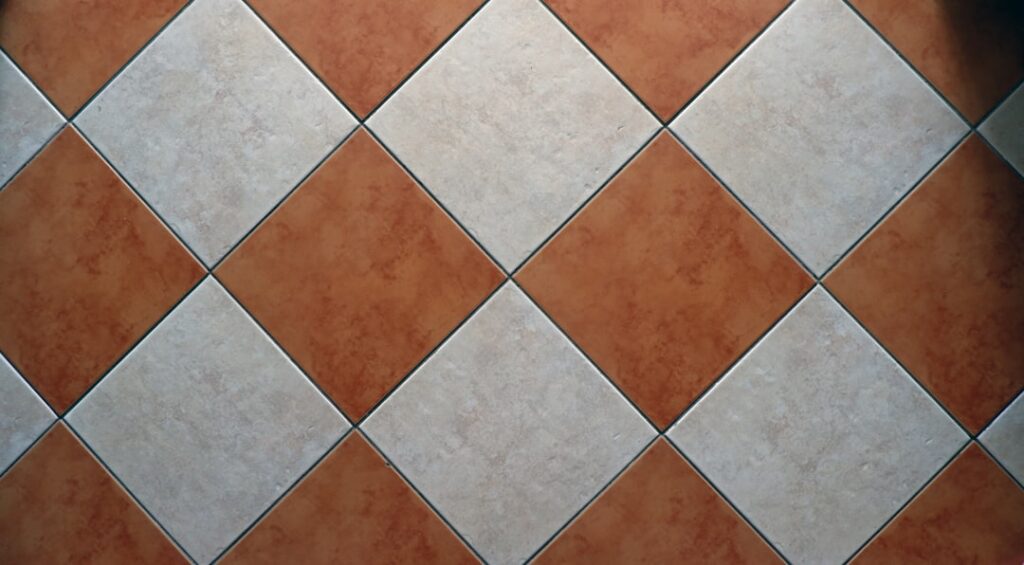
Red grout is a bold design choice that transforms ordinary tile into a graphic statement, turning the lines between tiles into a deliberate decorative feature rather than something to hide. From a fiery terracotta to a deep burgundy, red grout can energize a kitchen backsplash, define a geometric floor, or add unexpected drama to a bathroom. Used with intention, it looks custom and confident.
Part of our Tile & Grout guide — explore the full guide →
Color this strong demands a thoughtful approach. The wrong shade or the wrong application can overwhelm a room or look garish, while the right pairing reads as designer-level detail. This guide covers how to use red grout well, which types to choose, and how to keep it looking sharp.
Why Choose Red Grout
Most homeowners default to white, gray, or beige grout, so red instantly sets your tile work apart. It draws the eye to the pattern and geometry of the tile, emphasizing every line and shape. Against the right tile it adds warmth, contrast, and a sense of craftsmanship.
Red grout works especially well when you want the grid itself to be part of the design, such as with a geometric tile layout, a subway pattern, or a vintage-inspired space. It is a low-cost way to make a big visual impact, since the grout is a small part of the material budget but a large part of the finished look.
Where Red Grout Works Best
Bold grout shines in the right setting. Consider these applications.
- Kitchen backsplashes: Red grout with white or neutral tile creates a striking, retro-modern grid.
- Accent walls: A feature wall where the grout lines become graphic art.
- Powder rooms: A small, low-stakes space to experiment with bold color.
- Geometric and patterned floors: Red grout highlights hexagons, diamonds, and intricate layouts.
- Eclectic, vintage, or Mediterranean designs: Warm red tones complement terracotta and global styles.
Because it is so assertive, red grout often works best as an accent or in a defined area rather than across an entire large floor, where it can become overwhelming.
Pairing Tile With Red Grout
The tile color makes or breaks the effect. High-contrast pairings, like red grout with crisp white tile or black tile, create a bold, graphic look that emphasizes the grid dramatically. This is the classic, designer-favorite combination.
Tonal pairings, such as red grout with terracotta, warm neutrals, or earthy tile, feel cohesive and Mediterranean. Be careful pairing red grout with cool colors or busy patterned tile, which can clash. When unsure, get sample tiles and a small batch of grout and test the combination in your actual lighting before committing to the whole project.
Types of Grout to Consider
The grout formula affects both color consistency and durability, which matters even more with a vivid color. There are a few main options.
- Epoxy grout: The top choice for bold colors. It is highly stain-resistant, water-resistant, color-consistent, and does not need sealing, so the red stays vivid.
- Cementitious grout: More affordable and widely available, but it is porous, can fade or stain, and must be sealed to protect the color.
- Pre-mixed and urethane grouts: Convenient options with good stain resistance and consistent color.
For a saturated, lasting red, epoxy grout is generally worth the extra cost and effort, especially in wet or high-use areas.
Sealing and Color Longevity
Keeping red looking rich over time takes the right care. Cementitious red grout should be sealed after it cures and resealed periodically, because the porous surface can fade with cleaning and absorb stains that dull the color. A quality penetrating sealer is essential here.
Epoxy grout sidesteps most of this, since it is non-porous and holds its color without sealing, which is a major reason it suits bold shades. Whatever you choose, avoid harsh, abrasive, or acidic cleaners that can erode color and surface. Note that strongly colored grouts can occasionally tint very porous or unglazed tile, so seal porous tile first and wipe excess grout promptly during installation.
Installation Tips
Bold colored grout is less forgiving than neutral grout, so technique matters. Mix the grout consistently from batch to batch; varying the water ratio can produce uneven color. Work in manageable sections and clean the tile face thoroughly as you go, because dried red grout haze is harder to remove and more visible than neutral haze.
Seal porous or unglazed tile before grouting to prevent the pigment from staining the tile surface. Use a grout release on highly textured or absorbent tiles. If you are nervous about the strong color, hiring an experienced tile setter who has worked with bold grout reduces the risk of staining and uneven results.
Cleaning and Maintenance
Maintain red grout with gentle, regular care. Clean with a pH-neutral or mild cleaner and a soft brush, avoiding bleach and acidic or abrasive products that fade and erode the color. Wipe up spills promptly, particularly on cementitious grout, to prevent staining.
Reseal cementitious grout on schedule to protect the color and resist moisture, and inspect periodically for any fading or wear. With epoxy grout the upkeep is minimal. Cared for properly, red grout stays vivid and continues to make your tile work a confident, standout feature of the room for years.
Choosing the Right Shade of Red
Red is not a single color, and the shade you pick dramatically changes the mood. A bright, true red feels energetic and retro, ideal for a playful kitchen or a bold backsplash. A deep burgundy or wine red reads sophisticated and dramatic, suiting a moody powder room or an upscale space. A warm terracotta or brick red feels earthy and Mediterranean, pairing naturally with stone and warm neutrals.
Test your chosen shade against your actual tile and lighting before committing, since reds can shift noticeably under different light. A red that looks vivid in the showroom may read darker or more orange at home. Order a small sample, grout a few spare tiles, and live with it for a day to be sure the shade delivers the effect you want.
Is Red Grout Right for You
Bold grout is a commitment, so weigh it honestly. The upside is a distinctive, designer look that costs little extra and makes your tile work memorable. The downside is that strong color is harder to change later than neutral grout; removing and replacing grout is labor-intensive, so you are largely committing for the life of the installation.
If you love color and want a confident statement, red grout delivers in a way few inexpensive changes can. If you are uncertain or planning to sell soon, consider using it in a small, easily updated space like a powder room or a backsplash rather than across a large floor. Starting small lets you enjoy the boldness while keeping your options open, and it is a low-risk way to see whether you love living with red grout before going bigger.