The fastest way to give a kitchen or bath a custom, designed-by-a-pro feeling is a well-placed accent. A decorative tile backsplash uses pattern, color, and texture to create a focal point instead of a flat expanse of field tile. Done thoughtfully, it becomes the thing guests comment on; done carelessly, it fights the cabinets and dates the room fast. Here’s how to get the drama without the regret.
What Counts as a Decorative Tile
Decorative tile is any tile chosen for visual interest rather than plain coverage. That covers a broad family:
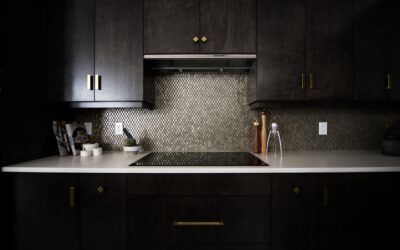
- Mosaics — small pieces on mesh sheets, from marble hexagons to glass penny rounds.
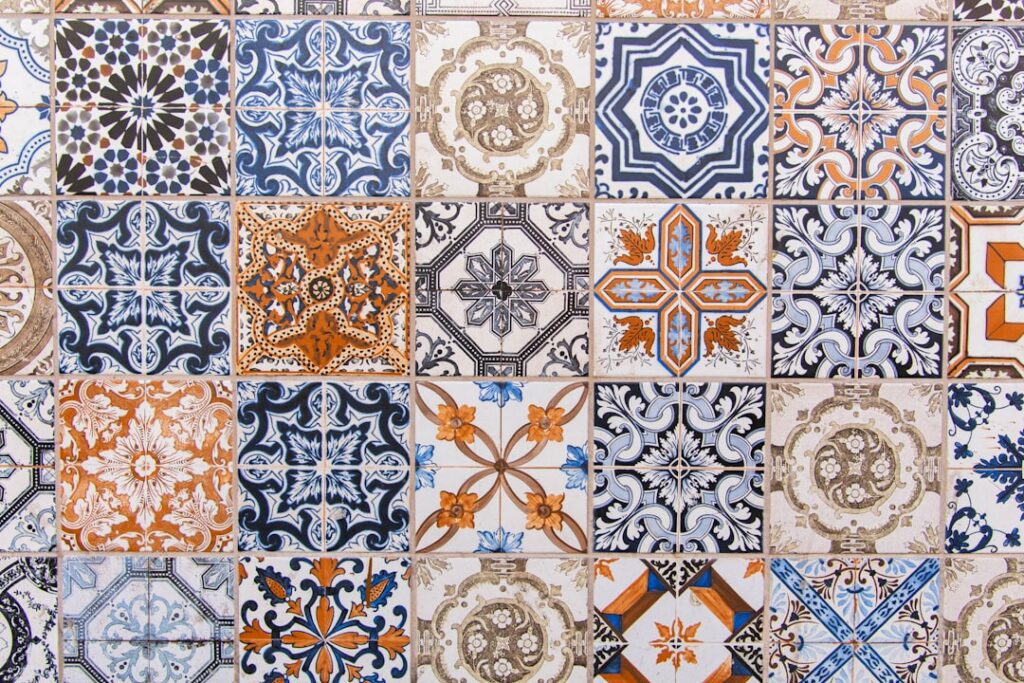
- Encaustic-look tiles — bold graphic patterns printed on porcelain that mimic old cement tile.
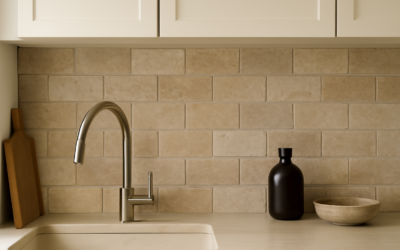
- Handmade zellige — Moroccan clay tiles with uneven glaze and glossy depth.
- Textured or 3D tiles — scalloped, fluted, or arched shapes that cast shadow.
- Mixed material blends — stone and glass or ceramic and metal on one sheet.
The more character a tile has, the smaller the area you generally want to cover with it. Character reads as an accent; wall-to-wall it can overwhelm.
Accent Strategies: Where to Place the Drama
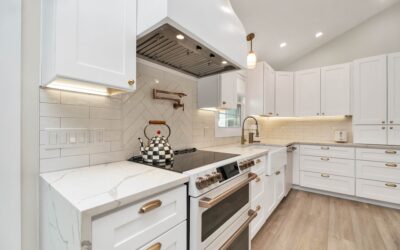
You rarely need to tile the whole kitchen in a statement pattern. The most effective approach is to pick one zone and let it carry the room. Behind the range is the classic choice, framed like a piece of art with plain field tile on either side. A bar area, a window surround, or the wall behind open shelving all work as contained canvases.
Another proven move is a two-tile scheme: run an inexpensive, quiet field tile across most of the counters, then splurge on a decorative tile only in the focal zone. You get the wow factor while keeping the budget and the visual noise under control.
Creating a True Focal Point
A focal point needs contrast and a frame. Contrast can come from color, from a shift in tile shape, or from a change in layout direction. Framing means giving the accent a clean border so it reads as intentional. A metal or ceramic pencil-liner trim, a shift to plain field tile, or the cooktop hood itself can all serve as the frame.
Keep scale in mind. A busy encaustic pattern behind a large hood range can look grand in a spacious kitchen but claustrophobic in a galley. In tight spaces, a subtle textured tile in a solid color often delivers more sophistication than a loud print.
Color and Coordination
Pull your accent color from something already in the room — the island paint, a pendant light, the veining in the countertop. That connection is what makes a bold backsplash feel designed rather than random. If your cabinets and counters are busy, choose a decorative tile that reads as texture in a single tone. If everything else is calm and neutral, that’s your permission to go colorful and patterned.
Install Complexity: The Honest Part
Decorative tile almost always costs more to install than plain subway tile, and some types are genuinely tricky. Here’s the realistic difficulty ladder:
- Mesh-backed mosaics — moderate. Sheets speed coverage but grout haze on glass and stone takes patience.
- Encaustic-look porcelain — moderate. Pattern alignment across the wall matters, so dry-lay first.
- Zellige and handmade tile — hard. Irregular sizes mean constant spacing adjustments and heavy cutting.
- 3D and fluted tile — hard. Shadow lines expose any lippage, so a flat substrate is critical.
Natural stone mosaics and glass usually need sealing and gentler grout handling to avoid scratching. If you’re new to tiling, start your accent in a small, contained area rather than committing to a full patterned wall.
Budgeting for a Statement Wall
Decorative tile spans an enormous price range, and it’s easy to blow a budget without realizing it. Basic patterned porcelain sits at the affordable end, while handmade zellige, natural stone mosaics, and specialty glass climb quickly, sometimes to many times the cost of plain field tile per square foot. Because you typically use a decorative tile in a contained accent zone, the total material cost often stays reasonable even when the per-square-foot price is high.
Factor in the hidden costs, too. Intricate tiles generate more waste from cutting, mesh-backed mosaics take longer to set and clean, and specialty products may require particular thinsets or sealers. Always order 10 to 15 percent extra to cover cuts, breakage, and future repairs, since dye lots change and matching a discontinued tile later is nearly impossible.
Common Design Mistakes to Avoid
A few predictable missteps sink otherwise good backsplash projects. Watch out for these:
- Too many statements — a bold tile competing with busy counters and busy cabinets reads as chaos. Let one element lead.
- Ignoring scale — a tiny intricate mosaic can disappear across a large wall, while a huge pattern overwhelms a small galley.
- Chasing a fad — the trendiest tile of the moment often dates fastest. Anchor bold choices in something classic.
- Skipping the sample — colors and finishes look different under kitchen lighting than in the showroom. Tape a sample up and live with it for a few days.
The homeowners happiest with their backsplash a decade later are the ones who showed restraint, tied the accent to the rest of the room, and let one focal point do the talking.
Grout and Finishing Touches
With a decorative tile backsplash, let the tile be the star and keep grout quiet. A grout that blends with the base tone lets a pattern read as one continuous image, while a contrasting grout emphasizes each individual shape — powerful with plain geometrics, chaotic with busy prints. For glass and polished stone, use a non-sanded or epoxy grout to avoid scratching the surface.
Finish the exposed edges cleanly. Where the tile meets a wall or ends mid-run, a matching trim piece, a metal edge profile, or a mitered return gives a professional stopping point instead of a raw tile edge.
Pay attention to grout width, too. Handmade and irregular tiles often look best with a slightly wider joint that absorbs their size variation, while crisp geometric tiles want a tight line to keep the pattern precise. Match the grout to the tile’s character rather than defaulting to one width everywhere, and the finished wall will read as deliberate craftsmanship.
Making It Last and Feel Timeless
Trends move quickly in backsplash design, so anchor your bold choice with restraint elsewhere. A decorative tile stays fresh longer when the surrounding elements are neutral and the pattern is contained to one hardworking focal zone. Seal porous materials on schedule, wipe cooking splatter promptly, and you’ll have a backsplash that looks custom and current for years rather than something you’re itching to rip out by the next remodel.
Prefer to explore on your own?
See how new flooring looks in your actual room in seconds — free, no signup.
Try the free Floor Studio →