
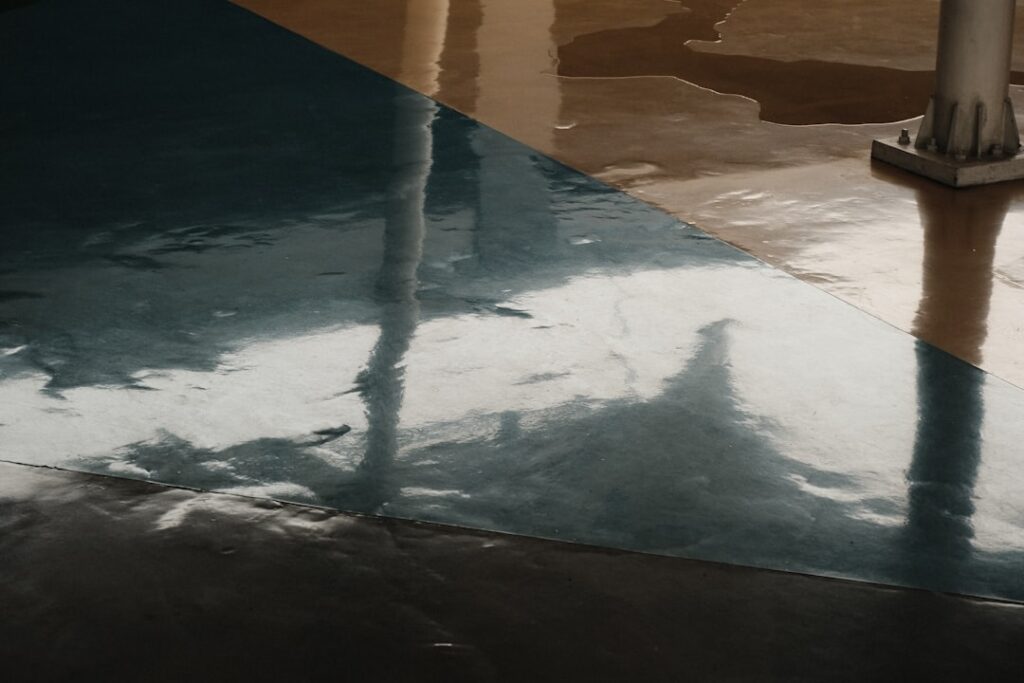
If your garage or basement floor is a stained, dusty slab of bare concrete, Behr epoxy paint offers an accessible, DIY-friendly way to transform it into a clean, durable, easy-to-wipe surface. Behr’s concrete and garage floor coatings are widely available at home centers and designed for homeowners rather than professionals, making them a popular first step into floor coating. This guide walks through what the product is, how to prepare and apply it, drying and coverage details, and the real results you can expect on your floor.
What Is Behr Epoxy Paint?
Behr offers concrete and garage floor coating products designed to protect and beautify interior concrete surfaces. These epoxy and epoxy-style coatings bond to properly prepared concrete, creating a hard, protective film that resists stains, chemicals, hot tire pickup, and everyday abrasion far better than bare concrete or ordinary floor paint. They are commonly used on garage floors, basement floors, and workshop slabs. Available in several colors and often paired with decorative flakes for texture and grip, these coatings give a worn slab a finished, showroom-style appearance at a fraction of the cost of professional installation.
Why Coat a Concrete Floor?
Coating bare concrete delivers several real benefits:
- Stain resistance: The sealed surface repels oil, grease, and chemical spills that would soak into raw concrete.
- Easy cleaning: A coated floor wipes and mops clean instead of trapping dirt in porous concrete.
- Dust reduction: Bare concrete constantly sheds fine dust; a coating seals it in.
- Improved looks: Color and optional flakes turn a drab slab into an attractive, finished space.
- Durability: The hard film resists abrasion, tire marks, and wear.
Surface Preparation Is Everything
The single biggest factor in success is preparation, and it is where most failed coatings go wrong. The concrete must be clean, dry, and properly etched so the coating can bond. Start by clearing the floor and sweeping thoroughly. Degrease any oil stains, since coatings will not adhere over grease. Then etch the concrete using the etching product or cleaner, which opens the surface pores for a mechanical bond; the concrete should end up with a texture similar to fine sandpaper. Rinse and let it dry completely. Finally, test for moisture by taping a plastic sheet to the floor overnight; if moisture collects underneath, the slab is too damp to coat until the issue is resolved.
How to Apply Behr Epoxy Paint
Once the floor is prepped and dry, application follows a clear sequence:
- Read the label: Follow the specific product instructions, since single-part and two-part systems differ.
- Mix if required: Two-part epoxy must be combined per the directions and used within its pot life.
- Cut in the edges: Use a brush to coat along walls and around obstacles first.
- Roll the field: Apply an even coat with a roller on a pole, working in manageable sections and maintaining a wet edge.
- Broadcast flakes: If using decorative flakes, scatter them into the wet coating before it sets.
- Apply additional coats: Add a second coat or a clear topcoat if the product calls for it, respecting the recoat window.
Work in good temperatures, avoiding very hot, cold, or humid conditions that interfere with curing.
Coverage and How Much to Buy
Coverage varies by product and how porous your concrete is, but as a general guide, a kit or gallon typically covers a few hundred square feet per coat. A common single-car garage bay runs roughly 250 square feet, and a standard two-car garage around 400 to 500 square feet. Because rough or porous concrete absorbs more coating, and because a second coat doubles your material needs, always measure your floor and buy a little extra to avoid running short mid-project. Check the specific product label for its stated coverage rate before purchasing.
Drying and Cure Times
Patience protects your work. Most floor coatings are dry to the touch within a few hours, but you must wait longer before using the floor. Typically you can walk on it lightly after about 24 hours, return light items after a day or two, and wait several days, often around 3 days or more, before driving a vehicle back onto the surface. Full chemical cure can take up to a week or longer. Cooler temperatures and higher humidity slow the process. Rushing foot or tire traffic too soon is a common mistake that ruins an otherwise good job, so follow the label’s cure schedule closely.
Results You Can Expect
Applied over well-prepared concrete, a Behr floor coating produces a noticeably cleaner, brighter, more durable floor that resists stains and wipes down easily. Decorative flakes add texture, hide minor imperfections, and improve slip resistance. For the modest cost and a weekend of work, the transformation of a dingy garage into a finished space is genuinely satisfying. That said, results depend heavily on preparation and conditions; a coating applied over dusty, greasy, or damp concrete may peel or fail, while one applied over a clean, etched, dry slab can look great and hold up for years of normal use.
Tips for the Best Outcome
A few habits improve your results. Never skip etching or degreasing, as adhesion depends on it. Confirm the slab is dry with a moisture test before you start. Work in favorable weather and within the product’s temperature range. Have all your tools ready before mixing a two-part epoxy, since pot life is limited. Apply thin, even coats rather than thick puddles. And resist the temptation to use the floor early, giving the coating the full cure time it needs to reach maximum hardness and durability.
Tools and Materials You Will Need
Gathering everything before you start keeps the job moving, which matters because coatings have limited working time. A typical project calls for a stiff broom and shop vacuum for cleaning, a concrete degreaser and etching solution, a garden hose or pressure washer for rinsing, and painter’s tape and plastic to protect walls and trim. For application you need a quality brush for cutting in, a medium-nap roller and an extension pole, a paint tray or bucket, and a stir stick or drill mixer for two-part products. If you are adding decorative flakes, have them measured out and ready to broadcast. Safety gear rounds out the list: gloves, eye protection, and knee pads. Spiked shoes let you walk on wet coating to broadcast flakes without leaving marks.
Troubleshooting Common Problems
Knowing what can go wrong helps you avoid it. Peeling or flaking almost always traces back to inadequate prep, usually skipped etching, leftover grease, or a damp slab, so never rush the cleaning steps. Bubbles or pinholes can appear if the coating is applied too thickly or over a floor that is off-gassing in direct heat, so work in moderate conditions and apply even coats. A blotchy or uneven sheen often means the concrete absorbed the coating unevenly, which a second coat usually corrects. Slow or tacky curing points to cold temperatures or high humidity, so wait longer rather than using the floor early. If hot tire pickup lifts the coating later, it typically indicates the product or prep was not rated for that stress. Most problems are preventable with patience and proper preparation.
Final Thoughts
Used correctly, Behr epoxy paint is an approachable, budget-friendly way to give a tired concrete floor a clean, durable, attractive new life. The product itself is forgiving and DIY-friendly, but your results live or die by preparation: clean, degrease, etch, and confirm the slab is dry before you ever open a can. Apply even coats in good conditions, add decorative flakes for grip and looks, and respect the cure times before returning traffic. Do that, and your garage or basement floor will reward you with years of easy-to-clean, stain-resistant service.


