Cool grays ruled kitchens for a decade, but warmth is back, and neutrals are leading the way. A beige kitchen backsplash is the quiet workhorse of that shift, delivering a soft, inviting backdrop that pairs with nearly any cabinet color and never feels trendy for the wrong reasons. Beige gets unfairly dismissed as boring, yet the right tile, texture, and layout turn it into one of the most sophisticated and forgiving choices you can make behind a counter.
Why Beige Works So Well
Beige sits in the sweet spot of neutral: warm enough to feel cozy, light enough to keep a kitchen bright, and flexible enough to work with wood, white, navy, green, or black cabinets. Unlike stark white, it hides splatters, hard-water spots, and everyday grime better, which matters on a wall that lives behind a stove and sink. Unlike bold color, it won’t fight your countertops or date the kitchen in five years.
The color also plays with light beautifully. In a north-facing kitchen that runs cool, a warm beige tile pushes back against the blue cast and makes the whole room feel more welcoming.
Popular Materials and Styles
- Ceramic and porcelain subway tile: the classic, affordable choice at $5 to $15 per square foot, available in warm cream and greige tones.
- Natural travertine: tumbled or honed, it brings organic movement and an old-world feel for $8 to $20 per square foot.
- Beige mosaic sheets: small hexagons, penny rounds, or mixed-stone blends add texture and easy install for $10 to $25 per square foot.
- Quartz or porcelain slab: a grout-free, seamless look in a beige stone pattern, $40 to $100 per square foot installed.
- Handmade zellige-style tile: variegated cream glaze with artisan depth for $15 to $40 per square foot.
Getting the Undertone Right
Beige is not one color, and the undertone makes or breaks the look. Some beiges lean pink or peach, others lean yellow, and greige carries a gray cast. The mistake homeowners make is choosing tile in isolation and finding it clashes with the countertop or cabinets once installed. Pull samples of your counter, cabinet, and floor together and view the tile against all of them, in the kitchen’s actual light, before you commit.
As a rule, match warm to warm. A yellow-beige tile pairs with cream cabinets and warm wood, while a greige tile sits better with cooler grays and white. Getting the undertone family right is more important than the exact shade.
Layouts That Add Interest
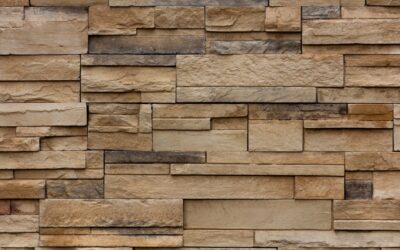
Because the color is subtle, let the layout do the talking. A running-bond subway pattern is timeless and easy. A herringbone or vertical stack adds a modern edge without introducing color. For texture, a beveled subway tile catches light and adds dimension, and a stacked handmade tile brings gentle irregularity that keeps a neutral wall from looking flat.
Grout choice is your other lever. A tone-on-tone grout that matches the tile creates a seamless, calm wall, while a slightly darker greige grout defines each tile and adds subtle structure. Avoid stark white grout with beige tile, since it can make the tile look dingy by comparison.
Pairing With Counters and Cabinets
Beige is a team player. Here are combinations that consistently look pulled-together:
- White cabinets + beige backsplash + wood open shelves: bright, warm, and modern-farmhouse friendly.
- Navy or green cabinets + cream tile: the neutral backsplash softens a bold cabinet color.
- Natural wood cabinets + travertine backsplash: a warm, organic, Mediterranean-leaning look.
- Beige backsplash + quartz counter in white or warm gray: a calm, cohesive neutral palette.
Bring in metal finishes to set the tone. Brass and bronze amplify beige’s warmth for a rich feel, while brushed nickel keeps things a touch more neutral and understated.
Cost and Installation Notes
A standard beige subway backsplash in a mid-size kitchen (about 30 square feet) runs roughly $500 to $1,200 installed with ceramic tile, and more with natural stone or slab. If you DIY, budget for tile, thin-set, grout, spacers, a tile cutter or wet saw, and a sealer for any porous stone. Order 10 to 15 percent extra tile to cover cuts and future repairs from the same dye lot.
Natural stone like travertine needs a penetrating sealer before grouting and periodic resealing, since it’s porous and grease behind a range will stain it. Glazed ceramic and porcelain only need the grout sealed, which makes them the lower-maintenance choice for a busy cook.
Making Beige Feel Fresh
The secret to a beige kitchen backsplash that reads intentional rather than default is texture and contrast. Choose a tile with dimension, a beveled edge, handmade variation, or natural stone movement, and pair it with a grout and metal finish that support the warmth. Add a few points of contrast elsewhere, like darker hardware or open wood shelving, so the neutral wall has something to play against.
Do that, and beige stops being the safe, forgettable option and becomes what it should be: a warm, timeless foundation that makes the whole kitchen feel calm, cohesive, and welcoming for years without ever looking dated.
Full-Height vs. Standard Backsplash
How far the tile climbs changes the whole feel of the wall. A standard backsplash runs about 4 inches above the counter up to the underside of the upper cabinets, roughly 18 inches, and it’s the budget-friendly default. A full-height backsplash carries the tile all the way to the cabinets or the ceiling behind an open shelf or range, which looks more custom and modern and makes a beige tile feel intentional rather than an afterthought.
Full-height costs more in material and labor, but in a kitchen with open shelving or a statement range hood, the extra tile is what sells the look. Behind a cooktop especially, taking beige tile to the hood protects the wall from grease and gives the range a finished, built-in frame.
Common Mistakes to Avoid
A few missteps trip up beige backsplashes more than any others. The biggest is ignoring undertones and ending up with a tile that fights the countertop, a pink-beige tile against a yellow-beige counter reads muddy and off. The second is choosing a flat, printed tile with no texture, which is what makes beige look cheap and lifeless. The third is stark-white grout that makes the tile look dirty by contrast.
- Always sample tile against your counter, cabinets, and floor in the kitchen’s own light.
- Pick a tile with texture, a bevel, or handmade variation so the neutral has depth.
- Match grout to the tile’s warmth, greige or taupe over stark white.
- Order 10 to 15 percent extra from the same dye lot for cuts and future repairs.
Avoid those pitfalls and the payoff is a backsplash that quietly ties the whole kitchen together, warm enough to feel inviting and neutral enough to survive every future change of decor you throw at it. That staying power is the real reason beige endures: paint colors and hardware trends come and go, but a warm, textured neutral behind the counter keeps working with all of them, protecting your investment long after bolder choices would have looked dated.