Stairs take more abuse than any other flooring in a house. Every trip up and down grinds foot traffic into the same narrow strips, and the edges of each step wear fastest of all. That’s why the carpet you choose here matters more than in any bedroom. Berber carpet for stairs is a popular, budget-friendly pick thanks to its dense loop construction and rugged durability, but it comes with a real trade-off: snagging. Knowing the strengths, the pitfalls, and the right fiber to choose will save you from a costly mistake on a high-stakes install.
What Makes Berber Different
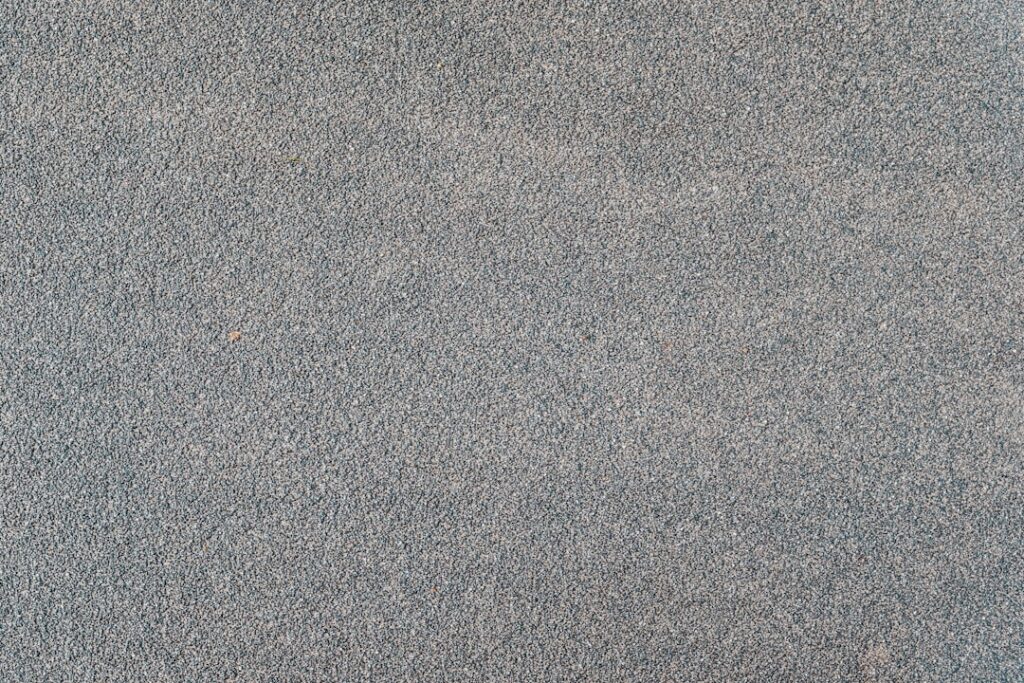
Berber isn’t a fiber, it’s a construction style. Instead of cut, upright tufts, berber is woven from continuous loops of yarn, creating a dense, textured, low-profile surface. That looped, tightly packed build is what gives it durability and its signature flecked, casual look.
The density is the appeal on stairs. A tightly looped berber resists crushing and matting far better than a plush cut pile, so it holds up in the high-traffic center of each tread. It also tends to hide dirt and footprints well, especially in the classic multi-tone flecked colors.
The Pros of Berber on Stairs
There’s a reason berber remains a go-to for staircases despite its quirks.
- Durability: the dense loops stand up to constant foot traffic and resist crushing on high-wear treads.
- Affordability: berber is often cheaper than comparable cut-pile carpet, running roughly $2 to $5 per square foot for material.
- Stain and dirt concealment: flecked color patterns disguise everyday dirt and minor stains between cleanings.
- Low profile: the short loops make for a clean look that wraps stair edges neatly and doesn’t crush flat quickly.
The Big Downside: Snagging
Here’s the honest warning every installer will give you. Because berber is built from continuous loops, a single snagged loop can pull and run like a snag in a sweater, unraveling a line across the step. Pet claws, high heels, dropped toys, and even an aggressive vacuum beater bar can catch a loop.
On stairs, this risk is amplified because the carpet wraps tightly over the nose of each step, exposing the loops to more contact. If you have dogs or cats, be especially cautious; their nails are the number one cause of berber snags on staircases. This doesn’t rule berber out, but it means you should choose the fiber and loop size carefully and set expectations.
Choosing the Right Berber Fiber
The fiber matters as much as the loop construction, and it’s where you can reduce the snag risk. The three common options behave very differently.
- Olefin (polypropylene): the cheapest and most stain-resistant, but the least resilient. It crushes and can look worn faster on stairs, and it’s the most prone to matting. Fine for light-traffic stairs on a budget.
- Nylon: the best all-around choice for stairs. It’s resilient, bounces back from crushing, and holds up to heavy traffic. It costs more but is worth it on a staircase.
- Wool: premium, naturally durable and beautiful, with a soft feel and excellent resilience, but the priciest and most demanding to maintain.
For a busy household staircase, a quality nylon berber with small, tight loops is the sweet spot. Smaller loops are harder to snag than large, chunky ones, so favor a fine, dense weave over a bold, loopy texture.
Installation: Waterfall vs. Cap-and-Band
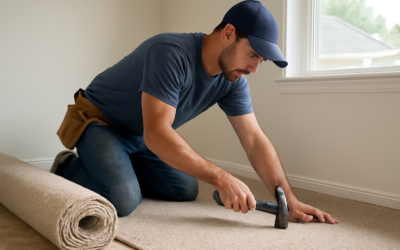
Berber can be installed two ways on stairs, and the method affects both looks and how well the carpet holds. This is not a beginner DIY job; the loops must be handled carefully to avoid snags and the edges must be tucked precisely.
- Waterfall method: the carpet runs straight down over the nose of each step and drops to the back of the next tread. It’s faster, cheaper, and gives a clean, casual look, but the carpet isn’t tucked tightly under the nose.
- Cap-and-band (French cap): the carpet is wrapped and tucked snugly around each step’s contour, following the shape of the tread and riser. It’s more labor-intensive and costs more, but it’s more durable and looks tailored.
For most homes, professional installation runs $8 to $15 per stair with the waterfall method and more for cap-and-band. Given the snag risk and the precision required on stair edges, hiring an experienced installer usually pays for itself here.
Padding and Grip Underneath
Don’t skimp on the padding beneath stair carpet. A firm, dense pad rated for stairs, typically 7 to 8 pounds in density and no thicker than about 7/16 inch, gives the right support without letting the carpet flex and stress the loops over the nose. Padding that’s too thick or too soft causes the carpet to move underfoot, which accelerates wear and increases the chance of loops catching. Proper tack strips and secure fastening keep the carpet taut so it doesn’t shift.
Cleaning and Maintenance
Keeping berber looking sharp on stairs comes down to gentle, consistent care. Vacuum regularly, but use a suction-only vacuum or one with the beater bar turned off; a spinning brush bar can catch and pull loops. Address spills quickly by blotting, never rubbing, since rubbing can distort and snag the loops.
If a loop does snag, don’t pull it. Trim the pulled loop flush with sharp scissors so it doesn’t run further, and a small dab of seam sealer can secure the cut end. For deeper cleaning, low-moisture methods are best because berber, especially olefin, can be slow to dry and prone to wicking stains back up if oversaturated.
Color and Style Choices for Stairs
Berber’s color options do real work on a staircase, both practically and aesthetically. The classic flecked berber, with its multi-tone specks of tan, gray, or brown against a neutral base, is the smart choice for stairs because those flecks camouflage dirt, crumbs, and minor stains between cleanings, which matters enormously on a surface everyone tracks over daily.
Solid-color berbers have become more common and look sleek and modern, but they show every speck of lint and every footprint, so they demand more frequent vacuuming to stay presentable on stairs. If you want a solid look, a mid-tone gray or greige hides wear better than a very light or very dark color; pale carpet shows dirt while dark carpet shows lint and dust.
Consider how the stair carpet connects to the surrounding floors, too. Many homes run the same berber up the stairs and across an adjacent hallway or landing for a seamless flow, which looks intentional and makes ordering simpler. Others use a coordinating stair runner in berber over a hardwood staircase, leaving the wood edges exposed for a more decorative, finished look. A runner also has the practical benefit of covering only the high-traffic center path, reducing both cost and the total area exposed to snagging.
Is Berber Right for Your Stairs?
Berber carpet for stairs is a smart, economical choice if you pick the right fiber and set realistic expectations. Choose a dense, small-loop nylon for durability and lower snag risk, insist on proper stair-rated padding, and consider the cap-and-band method for a tailored, long-lasting result. If you have pets with sharp claws, weigh the snag risk seriously or look at a cut-pile alternative. But for a busy household that wants tough, affordable, dirt-hiding stairs, a well-chosen berber delivers years of solid service.