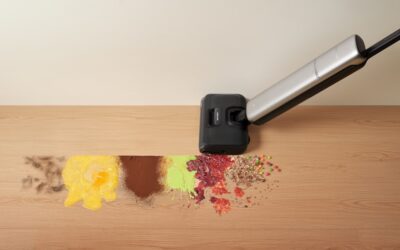
If you suffer from allergies or asthma, your flooring choice is one of the most impactful decisions you can make for indoor air quality. Floors cover the largest horizontal surface in your home, and they are where dust mites, pet dander, pollen, mold spores, and other allergens accumulate most.
- Flooring Types Ranked for Allergy Sufferers
- 1. Hardwood Flooring — Best Overall for Allergies
- 2. Tile Flooring — Best for Wet Areas
- 3. Polished Concrete — The Zero-Allergen Surface
- 4. LVP (Luxury Vinyl Plank) — Best Budget-Friendly Option
- 5. Laminate Flooring — Affordable but Research Carefully
- 6. Cork Flooring — Natural Hypoallergenic Properties
- 7. Carpet — The Worst Choice for Allergies
- VOCs in Flooring: What Allergy Sufferers Need to Know
- Additional Tips for Allergy-Friendly Homes
- Frequently Asked Questions
The wrong flooring traps allergens and releases them back into the air with every footstep. The right flooring makes allergens easy to remove and keeps the air you breathe cleaner. This guide ranks every major flooring type by allergy-friendliness and provides actionable advice for creating a healthier home environment.
Flooring Types Ranked for Allergy Sufferers
| Rank | Flooring Type | Allergen Resistance | Ease of Cleaning | VOC Risk | Overall Rating |
|---|---|---|---|---|---|
| 1 | Hardwood | Excellent | Excellent | Low (water-based finish) | Best Overall |
| 2 | Tile (ceramic/porcelain) | Excellent | Excellent | Very Low | Best for Wet Areas |
| 3 | Polished Concrete | Excellent | Very Good | Very Low | Best Industrial Option |
| 4 | LVP / Luxury Vinyl | Very Good | Excellent | Moderate (check certification) | Best Budget Option |
| 5 | Laminate | Good | Good | Moderate to High | Affordable but vet carefully |
| 6 | Cork | Good | Good | Low | Natural hypoallergenic |
| 7 | Carpet | Poor | Poor | Moderate to High | Worst for Allergies |
1. Hardwood Flooring — Best Overall for Allergies
Hardwood flooring is widely recommended by allergists as the top flooring choice for allergy and asthma sufferers. Its smooth, sealed surface gives allergens no place to hide. Dust, pollen, pet dander, and mold spores sit on the surface where they can be easily swept, vacuumed, or damp-mopped away.
Unlike carpet, hardwood does not trap microscopic particles deep within its structure. A quick daily sweep removes the vast majority of allergens before they become airborne. Weekly damp mopping with a microfiber mop provides an even deeper clean.
VOC Considerations for Hardwood
New hardwood flooring itself produces minimal VOCs (volatile organic compounds). The finish, however, can be a significant VOC source. Oil-based polyurethane finishes emit strong fumes during application and continue off-gassing for weeks. For allergy-sensitive households, choose hardwood with a water-based polyurethane or UV-cured factory finish, which produces dramatically lower VOC emissions. Prefinished hardwood floors eliminate on-site finishing fumes entirely.
Look for hardwood products carrying GREENGUARD Gold or FloorScore certification, which verify that the product meets strict indoor air quality standards for chemical emissions.
2. Tile Flooring — Best for Wet Areas
Tile flooring — whether ceramic or porcelain — is an outstanding choice for allergy sufferers, especially in bathrooms, kitchens, and entryways where moisture is present. Tile’s fired-clay composition produces an extremely hard, non-porous surface that does not absorb allergens, moisture, or odors.
Tile is also naturally resistant to mold and mildew growth on its surface, making it the ideal flooring for humid environments where mold spores are a concern. Grout lines, however, are porous and can harbor mold if not properly sealed and maintained. Use an epoxy grout or apply a quality grout sealer to prevent mold colonization in grout joints.
From a VOC perspective, tile is one of the cleanest flooring materials. Ceramic and porcelain tiles are kilned at high temperatures that burn off organic compounds, resulting in virtually zero off-gassing after installation. The adhesives and grout used during installation may produce short-term VOCs, but these dissipate quickly.
3. Polished Concrete — The Zero-Allergen Surface
Polished concrete is the ultimate hard-surface floor for allergen control. There are no seams, joints, or grout lines where dust and mold can accumulate. The surface can be ground to a gloss finish that is as smooth as glass, making it effortless to clean. A single pass with a dust mop or flat mop removes virtually everything.
Polished concrete produces no VOCs whatsoever and does not support mold growth. It is the go-to choice for people with severe chemical sensitivities (MCS) in addition to traditional allergies. The main drawback is comfort: concrete is hard on feet and joints, cold in winter, and requires radiant heating for livability in colder climates.
4. LVP (Luxury Vinyl Plank) — Best Budget-Friendly Option
LVP flooring offers many of the same practical benefits as hardwood for allergy sufferers — smooth surface, easy cleaning, no allergen trapping — at a significantly lower price point. The waterproof surface resists mold growth, and the click-lock installation means no adhesive fumes in most cases.
However, vinyl flooring has historically raised concerns about VOC emissions, particularly from plasticizers (phthalates) in the PVC core. This is where product selection matters enormously. Look for LVP products that carry these certifications:
- GREENGUARD Gold: Verified low chemical emissions meeting standards for schools and healthcare facilities
- FloorScore: Certified for indoor air quality compliance
- Phthalate-free: Made without harmful plasticizers
Many major LVP brands now offer certified low-VOC products. Avoid bargain-bin imported vinyl without any air quality certification — the savings are not worth the potential health trade-off for allergy-sensitive individuals.
5. Laminate Flooring — Affordable but Research Carefully
Laminate flooring has a hard, sealed surface that cleans easily and does not trap allergens in the way carpet does. From a surface-level allergen perspective, it performs reasonably well. The concern with laminate is primarily about VOCs.
Laminate flooring is made with a high-density fiberboard (HDF) core, which traditionally uses urea-formaldehyde adhesives. Formaldehyde off-gassing can irritate airways and exacerbate allergy and asthma symptoms. The laminate industry has made significant improvements in recent years, and many products now meet the strict CARB Phase 2 (California Air Resources Board) formaldehyde emission limits.
For allergy sufferers considering laminate, only buy CARB Phase 2 compliant or GREENGUARD Gold certified products. After installation, ventilate the room thoroughly for at least 72 hours before regular use.
6. Cork Flooring — Natural Hypoallergenic Properties
Cork is an interesting option for allergy sufferers. It contains a natural waxy substance called suberin that makes cork naturally resistant to mold, mildew, and insect infestation. Cork floors are antimicrobial and do not off-gas harmful chemicals when made with water-based adhesives and finishes.
The warm, slightly cushioned surface is comfortable underfoot while still being smooth enough to clean effectively. Cork floors do require periodic resealing (every 3-5 years) with a low-VOC polyurethane to maintain their protective surface.
7. Carpet — The Worst Choice for Allergies
Carpet is, unfortunately, the worst flooring option for allergy and asthma sufferers. The fibrous structure of carpet traps and holds:
- Dust mites and their fecal matter (a primary indoor allergen)
- Pet dander
- Pollen tracked in from outdoors
- Mold spores (especially in humid environments)
- Dust and fine particulates
Every footstep on carpet launches these trapped particles back into the air, where they are inhaled. Even thorough vacuuming with a HEPA-filter vacuum cannot remove allergens embedded deep in carpet fibers and padding. Professional steam cleaning helps temporarily but does not eliminate the problem.
New carpet also emits significant VOCs from the fibers, dyes, adhesives, and backing material — the distinctive “new carpet smell” that many people find unpleasant is actually a cocktail of volatile organic compounds including styrene, 4-phenylcyclohexene (4-PCH), and formaldehyde. These emissions can trigger respiratory symptoms in sensitive individuals.
If you must have carpet in bedrooms, choose a low-pile, low-VOC product with GREENGUARD Gold certification, vacuum with a HEPA-filter vacuum at least twice weekly, and consider replacing it every 5-7 years.
VOCs in Flooring: What Allergy Sufferers Need to Know
Volatile organic compounds are chemicals that evaporate at room temperature and can trigger allergic reactions, asthma attacks, and respiratory irritation. New flooring can be a significant VOC source, but the level of risk varies dramatically by product type and quality.
Certifications That Matter
| Certification | What It Means | Strictness Level |
|---|---|---|
| GREENGUARD Gold | Meets emission limits for schools and healthcare | Very strict |
| FloorScore | Certified for indoor air quality per SCS | Strict |
| CARB Phase 2 | California formaldehyde emission limits | Moderate (mandatory for US sales) |
| Cradle to Cradle | Full lifecycle environmental assessment | Comprehensive |
For allergy sufferers, GREENGUARD Gold is the gold standard certification to look for. It requires products to meet the strictest emission limits in the industry, including limits on total VOCs, formaldehyde, and individual chemical compounds.
Additional Tips for Allergy-Friendly Homes
- Remove shoes at the door: Shoes track in pollen, pesticides, and allergens from outdoors. A no-shoes policy dramatically reduces the allergen load on your floors.
- Use doormats: Place coarse-fiber mats at every entrance to trap particulates before they reach your flooring.
- Control humidity: Keep indoor humidity between 30% and 50% to discourage dust mites and mold growth. Use a dehumidifier if necessary.
- Vacuum with HEPA filtration: Even on hard-surface floors, a vacuum with a true HEPA filter captures fine particles that a broom would scatter into the air.
- Damp mop regularly: Damp mopping captures allergens that dry sweeping misses. Use plain water or a mild, fragrance-free cleaner.
- Avoid area rugs in bedrooms: If allergies are severe, skip area rugs entirely, or use small, machine-washable rugs that you launder weekly in hot water.
- Run an air purifier: A HEPA air purifier in bedrooms and living areas works alongside your flooring choice to keep airborne allergen levels low.
- Ventilate after installation: New flooring of any type should be ventilated for at least 48-72 hours with windows open before the room is occupied.
Frequently Asked Questions
Is hardwood or tile better for allergies?
Both are excellent. Hardwood edges ahead slightly for living spaces due to its warmth and comfort, while tile is superior for bathrooms and kitchens where moisture-related mold is a concern. The best approach is to use both: hardwood in bedrooms and living areas, tile in wet rooms.
Can LVP be safe for allergy sufferers?
Yes, provided you choose a product with GREENGUARD Gold or FloorScore certification. Certified LVP has been tested and verified to meet strict indoor air quality standards. Avoid uncertified budget vinyl, especially from unknown manufacturers.
Does laminate flooring cause allergies?
Laminate itself does not cause allergies, but formaldehyde emissions from lower-quality laminate can irritate airways and worsen allergy symptoms. Choose CARB Phase 2 compliant or GREENGUARD Gold certified laminate and ventilate thoroughly after installation.
Should I remove carpet if I have allergies?
In most cases, yes. Replacing carpet with a hard-surface floor is one of the single most effective steps you can take to reduce indoor allergen levels. If replacing carpet throughout the house is not feasible, prioritize bedrooms first — you spend approximately a third of your life there.
What about bamboo flooring for allergies?
Bamboo is a good option for allergy sufferers. Like hardwood, it has a smooth, sealed surface that is easy to clean. Look for GREENGUARD Gold certified bamboo and choose products with water-based finishes to minimize VOC exposure. Be aware that some lower-quality bamboo imports have had formaldehyde concerns in the past.
Are natural stone floors good for allergies?
Yes. Natural stone (marble, granite, travertine, slate) is an excellent choice for allergy sufferers. Stone produces virtually no VOCs and its hard surface does not trap allergens. The key consideration is sealing stone properly to prevent mold growth in the porous surface, and maintaining sealed grout lines.
Prefer to explore on your own?
See how new flooring looks in your actual room in seconds — free, no signup.
Try the free Floor Studio →