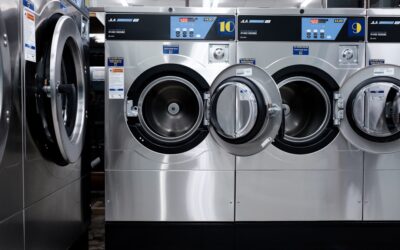
Front-load washers clean better, use less water, and spin faster than top-loaders, but with dozens of models on the market ranging from $800 to $3,000+ per set, picking the right pair is overwhelming. The best front load washer and dryer combination balances cleaning performance, energy efficiency, reliability, and price without loading you up with features you will never use. After comparing specs, user reviews, and repair data across major brands, here are the top sets worth your money in 2026.
Top Front Load Washer and Dryer Sets
Best Overall: LG WM4000HWA Washer + DLEX4000W Dryer
LG’s 4000-series consistently ranks at the top of consumer testing. The washer features a 4.5 cubic foot drum, TurboWash 360 technology that completes a full cycle in 30 minutes, and built-in Wi-Fi for remote cycle monitoring. The matching electric dryer offers 7.4 cubic feet of capacity, sensor drying to prevent over-drying, and a FlowSense duct blockage alert. Both carry Energy Star certification. Set price: $1,500-$1,800.
Best Value: Samsung WF45R6100AW + DVE45R6100W
Samsung’s entry into the mid-range hits the sweet spot between price and performance. The 4.5 cubic foot washer includes steam cleaning, a self-clean cycle for the drum, and 10 preset wash programs. The 7.5 cubic foot dryer features sensor drying and a reversible door for flexible laundry room layouts. Both are Energy Star rated. Quiet operation at 48 dB makes them suitable for laundry closets near living areas. Set price: $1,100-$1,400.
Best Premium: Electrolux ELFW7637AT + ELFE7637AT
Electrolux’s 600-series targets households that want top-tier fabric care. The washer’s SmartBoost premixing technology dissolves detergent in water before it touches clothes, preventing soap residue and improving cleaning on cold-water cycles. The 8.0 cubic foot dryer is one of the largest residential dryers available, and its Predictive Dry technology adjusts heat and tumble speed in real time. Includes a built-in allergen cycle that removes over 95% of common allergens. Set price: $2,000-$2,500.
Best Compact: Bosch 300 Series WAT28400UC + WTG86401UC
Designed for apartments and small laundry closets, this Bosch pair stacks to fit in a 24-inch wide space. The 2.2 cubic foot washer handles 15-pound loads, and the 4.0 cubic foot ventless dryer eliminates the need for an exhaust duct. The condensation drying system means you can install the dryer anywhere with an electrical outlet and a drain. Quiet operation at just 47 dB. Set price: $1,600-$2,000.
Key Features That Matter
- Drum capacity: 4.2-4.5 cubic feet handles a king-size comforter or 20+ pounds of laundry. Below 4.0 requires more frequent loads for larger households.
- Spin speed: 1,200-1,400 RPM max spin removes more water during the wash cycle, reducing dryer time and energy costs. Top models hit 1,400 RPM.
- Steam cleaning: Loosens stains and kills bacteria without pre-treating. Genuinely useful for households with children or active lifestyles.
- Sensor drying: Moisture sensors stop the dryer when clothes are actually dry rather than running a fixed timer. Saves energy and reduces fabric wear.
- Noise level: Under 50 dB is quiet enough for open-plan homes. Above 55 dB is noticeable through walls.
Front Load vs Top Load: Why Front Load Wins
Front-load washers use 40-50% less water than comparable top-loaders, translating to roughly $50-$100 in annual water bill savings. They also extract more water during the spin cycle, which means shorter dryer times and lower electricity costs. Cleaning performance is measurably superior because the tumbling action is gentler on fabrics while being more effective at removing soil and stains.
The main downsides of front-loaders are higher upfront cost, the need to leave the door ajar between loads to prevent mold, and the bending required to load and unload. A laundry pedestal ($200-$300 per unit) raises the machines to a comfortable standing height and adds storage drawers.
Avoiding Mold and Odor Problems
The number one complaint about front-load washers is the musty smell that develops around the door gasket. This is entirely preventable with three simple habits:
- Leave the washer door cracked open after every load so the drum and gasket dry completely.
- Wipe the rubber door gasket with a dry cloth after your last load of the day. Moisture trapped in the gasket folds is where mold starts.
- Run the self-clean or tub-clean cycle once a month with a washer cleaner tablet or 2 cups of white vinegar.
Following these steps eliminates the odor issue that gives front-loaders a bad reputation. The problem is user behavior, not a design flaw.
Installation Considerations
Front-load washers require a level floor surface. Even slight unevenness causes excessive vibration during high-speed spin cycles. Use a torpedo level on top of the machine and adjust the leveling feet until the bubble is centered in both directions. Anti-vibration pads ($15-$25 for a set of four) reduce noise transmission to the floor below.
Measure your laundry space carefully before ordering. Standard full-size units are 27 inches wide, 30-34 inches deep (including door clearance), and 38-39 inches tall. Stacked configurations need 75-80 inches of vertical clearance. Confirm the delivery path from your front door to the laundry area can accommodate a 27-inch wide machine. The best front load washer and dryer is the one that fits your space and meets your household’s capacity needs.