Best hardwood flooring depends on your home, your lifestyle, and your budget — but not every species performs equally. After evaluating durability, grain character, stain versatility, and long-term value, white oak stands at the top for 2026 and it is not particularly close. Below that, hickory, red oak, walnut, maple, cherry, and bamboo (an honorary hardwood) each serve a specific homeowner profile exceptionally well.
- 2026 Hardwood Species Ranking
- 1. White Oak — Best Overall Hardwood Flooring
- 2. Hickory — Best for Durability
- 3. Red Oak — Best Value Classic
- 4. Walnut — Best for Luxury
- 5. Maple — Best for Modern Spaces
- 6. Cherry — Best for Warmth
- 7. Bamboo — Best Eco-Friendly Option (Honorary Hardwood)
- Full Comparison Table: Best Hardwood Flooring Species
- Best Hardwood Flooring by Budget
- Budget: Under $8 Per Square Foot Installed
- Mid-Range: $8 to $14 Per Square Foot Installed
- Premium: $14+ Per Square Foot Installed
- Best Hardwood Flooring by Room
- Best Hardwood Flooring by Lifestyle
- Households With Dogs
- Households With Young Children
- Low-Traffic or Retirement Homes
- Rental Properties
- Frequently Asked Questions
- What is the most durable hardwood floor?
- Is white oak better than red oak for flooring?
- What hardwood floor is best for dogs?
- How much does hardwood flooring cost installed?
- Is engineered hardwood as good as solid hardwood?
- What is the best hardwood floor color for 2026?
- Can hardwood floors be installed in kitchens?
This guide ranks the seven best hardwood flooring species with comparison tables, budget recommendations, room-by-room picks, and lifestyle guidance for households with pets, kids, or heavy foot traffic.
2026 Hardwood Species Ranking
Our ranking weighs five factors equally: hardness (Janka rating), style versatility, availability, cost-to-value ratio, and long-term performance. Here is the quick summary before diving into each species.
| Rank | Species | Janka Hardness | Material Cost (per sq ft) | Best For |
|---|---|---|---|---|
| 1 | White Oak | 1,360 | $4 – $8 | Overall best, any room |
| 2 | Hickory | 1,820 | $4 – $9 | High-traffic, pets, rustic style |
| 3 | Red Oak | 1,290 | $3 – $7 | Budget-friendly classic |
| 4 | Walnut | 1,010 | $6 – $12 | Luxury, dark-tone interiors |
| 5 | Maple | 1,450 | $4 – $8 | Modern, light-tone interiors |
| 6 | Cherry | 950 | $5 – $10 | Traditional, warm-tone rooms |
| 7 | Bamboo (strand-woven) | 3,000 – 5,000 | $3.50 – $7 | Eco-conscious, budget durability |
1. White Oak — Best Overall Hardwood Flooring
White oak has dominated the hardwood market for several years and continues to hold the number-one position in 2026. Its Janka hardness of 1,360 provides solid dent resistance, while its closed grain structure naturally repels moisture better than open-grained species. This makes white oak suitable for kitchens, entryways, and even adjacent to bathrooms where occasional water exposure is inevitable.
What truly separates white oak from competitors is its stain versatility. The grain accepts everything from natural clear coats to deep espresso stains to the trendy gray-washed European finishes that continue to dominate design in 2026. Rift-and-quartersawn white oak delivers the linear, modern look favored by designers, while plain-sawn white oak shows the classic cathedral grain pattern.
White oak also ages beautifully. Unlike red oak, which can develop orange undertones with UV exposure, white oak develops a warm honey patina that most homeowners find desirable. For all these reasons, white oak flooring is our top recommendation for most homes.
2. Hickory — Best for Durability
Hickory is the hardest domestic hardwood commonly available for flooring, with a Janka rating of 1,820. That translates to approximately 34% more dent resistance than white oak and 41% more than red oak. If your home has large dogs, active kids, or heavy foot traffic, hickory flooring handles the abuse better than any other North American species.
Hickory’s dramatic grain variation — ranging from creamy white sapwood to deep brown heartwood, often within the same plank — creates a rustic, character-rich floor. This pronounced color variation is a strength for farmhouse, lodge, and transitional interiors but can feel too busy for minimalist modern spaces. Staining hickory is challenging due to its density, and many installers recommend embracing its natural variation rather than trying to force uniform color.
The main drawback of hickory is that its hardness makes it difficult to cut and nail. Installation costs tend to run $0.50 to $1.00 per square foot higher than softer species, and DIY installers will go through more saw blades. Despite this, hickory’s decade-plus durability makes it a strong investment.
3. Red Oak — Best Value Classic
Red oak has been the most-installed hardwood floor in the United States for over a century, and it remains the best value option in 2026. At $3 to $7 per square foot for materials, red oak delivers reliable performance at a price point that undercuts white oak by $1 to $2 per square foot on average.
With a Janka hardness of 1,290, red oak is only slightly softer than white oak. Its open grain accepts stain well, though it tends to show a pinkish-red undertone that becomes more pronounced with lighter stains. Dark walnut and ebony stains mask this undertone effectively, and many homeowners stain red oak dark to approximate the look of more expensive species.
The main limitation of red oak compared to white oak is moisture resistance. Red oak’s open pores absorb water more readily, making it a less ideal choice for kitchens and areas near water sources. For dry living spaces, bedrooms, and hallways, oak flooring in the red oak variety remains an excellent choice.
4. Walnut — Best for Luxury
American walnut (also called black walnut) delivers the richest, deepest natural color of any domestic hardwood. Its chocolate-brown heartwood, swirling grain, and natural warm undertones create a floor that reads as premium without any stain needed. Designers specify walnut flooring for formal dining rooms, master bedrooms, home offices, and luxury living spaces.
At a Janka rating of 1,010, walnut is softer than oak and significantly softer than hickory. This means walnut dents more easily and requires more careful treatment — furniture pads, area rugs in high-traffic zones, and regular felt-pad replacement on chairs. Walnut is not the right choice for homes with large dogs or for high-traffic commercial spaces.
Walnut costs $6 to $12 per square foot for materials alone. Wide-plank walnut from sustainably managed American forests commands premium pricing, but the visual impact is difficult to achieve with any other species. For homeowners whose budget allows it and whose lifestyle suits a softer wood, walnut is unmatched for sheer elegance.
5. Maple — Best for Modern Spaces
Hard maple has a Janka rating of 1,450, making it harder than both white and red oak. Its tight, fine grain produces a clean, uniform appearance that suits modern, Scandinavian, and contemporary interiors. Natural maple floors are pale, almost white, and reflect light to make rooms feel larger and brighter.
Maple’s density is both a strength and a limitation. The tight grain that produces its clean look also resists stain penetration, meaning maple is difficult to stain evenly. Dark stains on maple frequently appear blotchy unless a pre-stain conditioner is applied carefully. For this reason, most designers recommend using maple in its natural state or with a light finish.
Maple performs well in kitchens and living areas but shows dirt and scratches more readily than darker species. Homeowners who choose maple should plan for slightly more frequent cleaning to maintain its crisp appearance.
6. Cherry — Best for Warmth
American cherry is prized for its rich, warm reddish-brown color that deepens significantly with age and sunlight exposure. A freshly installed cherry floor may appear light salmon-pink, but within six to twelve months of UV exposure, it develops the deep, warm amber tone that makes cherry iconic in traditional and colonial-style homes.
Cherry’s Janka hardness of 950 makes it the softest species on our list. This means cherry dents and scratches noticeably more than oak or maple. Cherry floors require careful treatment — no high heels, diligent furniture pad use, and area rugs in traffic paths. Despite this, cherry’s color development and warmth make it irreplaceable for certain design aesthetics.
Cherry flooring costs $5 to $10 per square foot for materials. It is best suited for formal living rooms, dining rooms, and master bedrooms where traffic is moderate and the rich color can be fully appreciated.
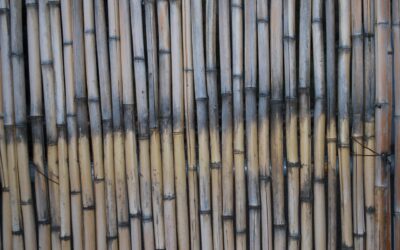
7. Bamboo — Best Eco-Friendly Option (Honorary Hardwood)
Strand-woven bamboo is technically a grass, not a hardwood, but its performance earns it a spot on any best hardwood flooring list. With Janka ratings of 3,000 to 5,000 in strand-woven form, bamboo is harder than every species above it on this list. Bamboo reaches harvestable maturity in five to seven years versus 40 to 80 years for most hardwoods, making it significantly more sustainable.
At $3.50 to $7 per square foot for materials, strand-woven bamboo delivers exceptional durability per dollar. It resists dents, scratches, and moisture better than most hardwoods and works well in kitchens, living rooms, and even basements (with proper moisture management).
The main limitations are aesthetic variety (bamboo has a distinctive look that does not perfectly replicate any hardwood species) and quality variation between manufacturers. Stick with reputable brands that certify low-VOC adhesives and formaldehyde-free construction.
Full Comparison Table: Best Hardwood Flooring Species
| Species | Janka | Material $/sqft | Installed $/sqft | Moisture Resistance | Stain Versatility | Pet Friendly |
|---|---|---|---|---|---|---|
| White Oak | 1,360 | $4 – $8 | $8 – $14 | Good (closed grain) | Excellent | Good |
| Hickory | 1,820 | $4 – $9 | $9 – $15 | Moderate | Fair | Excellent |
| Red Oak | 1,290 | $3 – $7 | $7 – $12 | Poor (open grain) | Good | Fair |
| Walnut | 1,010 | $6 – $12 | $11 – $18 | Moderate | Limited (best natural) | Poor |
| Maple | 1,450 | $4 – $8 | $8 – $14 | Moderate | Limited (resists stain) | Fair |
| Cherry | 950 | $5 – $10 | $9 – $16 | Poor | Limited (best natural) | Poor |
| Bamboo (strand) | 3,000+ | $3.50 – $7 | $7 – $12 | Good | Fair | Excellent |
Best Hardwood Flooring by Budget
Budget: Under $8 Per Square Foot Installed
At the most affordable end, red oak and strand-woven bamboo are your strongest options. Red oak has been the workhorse of American homes for decades and is widely available at competitive pricing. Bamboo delivers the highest hardness per dollar of any material on this list. Both can be found at big-box retailers and many online flooring stores.
Mid-Range: $8 to $14 Per Square Foot Installed
This range opens up white oak and maple, which represent the sweet spot of durability, aesthetics, and value. Most homeowners building or renovating in 2026 land in this tier. White oak in this range includes both solid and engineered options with quality wear layers.
Premium: $14+ Per Square Foot Installed
Walnut, wide-plank hickory, and rift-sawn white oak occupy the premium tier. At this price point, you gain access to wider planks (7 inches and above), custom stain matching, longer plank lengths, and species with inherently luxurious character. Cherry also falls here when sourced in wide planks with character grading. Visit a hardwood flooring showroom to see these premium options in person.
Best Hardwood Flooring by Room
| Room | Best Species | Why |
|---|---|---|
| Living room | White oak | Versatile, durable, suits any style |
| Kitchen | White oak or hickory | Moisture and dent resistance |
| Bedroom | Walnut or cherry | Warmth, lower traffic tolerance acceptable |
| Hallway / entryway | Hickory or maple | Highest traffic demands hardest species |
| Home office | Walnut or white oak | Professional appearance, rolling chair needs hardness |
| Dining room | Cherry or walnut | Formal elegance, moderate traffic |
| Basement (above-grade) | Bamboo (engineered) | Moisture resistance, cost-effective |
Best Hardwood Flooring by Lifestyle
Households With Dogs
Large dogs with claws are the single toughest test for hardwood flooring. Hickory is the best choice, followed by strand-woven bamboo and white oak. Avoid walnut and cherry — their softness means visible scratches within weeks of living with a dog. If you love the look of a softer species, consider engineered versions with aluminum-oxide-reinforced finishes, which add significant scratch resistance to the surface layer.
Households With Young Children
Kids drop toys, spill liquids, and drag objects across floors. White oak is the ideal balance of beauty and resilience for families. Its closed grain resists spill damage, its hardness handles toy impacts, and its stain versatility lets you choose finishes that hide minor wear. Hickory also works well but its busy grain may not suit every family’s design preferences.
Low-Traffic or Retirement Homes
When durability demands are lower, softer species become viable. Walnut and cherry shine in homes where traffic is light and the focus is on visual warmth and elegance. These species reward careful living with decades of deepening color and character.
Rental Properties
For rental properties, prioritize hardness and cost-effectiveness. Red oak with a commercial-grade polyurethane finish offers the best combination of durability, repairability, and upfront cost. Strand-woven bamboo is a strong alternative. Both species can be refinished between tenants to restore their appearance.
Frequently Asked Questions
What is the most durable hardwood floor?
Among true hardwoods, hickory is the most durable domestic species with a Janka hardness of 1,820. Strand-woven bamboo (technically a grass) is even harder at 3,000 to 5,000 Janka. For a balance of durability and versatility, white oak at 1,360 Janka is the most popular choice.
Is white oak better than red oak for flooring?
In most situations, yes. White oak offers superior moisture resistance due to its closed grain, better stain versatility, and more neutral aging (no orange undertones). Red oak costs less and remains a solid budget choice, but white oak’s advantages justify the $1 to $2 per square foot premium for most homeowners.
What hardwood floor is best for dogs?
Hickory is the best hardwood for dogs due to its extreme hardness and rustic grain that masks minor scratches. White oak is the second-best option. Regardless of species, use a high-quality polyurethane or aluminum-oxide finish, keep dog nails trimmed, and place rugs in areas where your dog runs or plays.
How much does hardwood flooring cost installed?
Installed hardwood flooring ranges from $7 to $18 per square foot depending on species, plank width, and your local labor market. Red oak averages $7 to $12 installed, white oak averages $8 to $14, and premium walnut averages $11 to $18. See our hardwood flooring guide for full cost breakdowns.
Is engineered hardwood as good as solid hardwood?
Modern engineered hardwood with a thick wear layer (4mm or more) performs comparably to solid hardwood and offers advantages in dimensional stability and below-grade installation. The surface is real hardwood, so it looks and feels identical. Engineered hardwood can typically be refinished one to three times depending on wear-layer thickness.
What is the best hardwood floor color for 2026?
Natural and light-toned finishes continue to dominate in 2026. The most popular look is natural white oak with a matte finish, followed by light gray-washed oak and honey-toned finishes. Dark espresso tones remain popular in traditional and luxury settings but represent a smaller market share than in previous years.
Can hardwood floors be installed in kitchens?
Yes, with the right species and finish. White oak is the best kitchen hardwood due to its closed grain and moisture resistance. Apply a high-quality polyurethane finish, wipe up spills promptly, and use mats near the sink and dishwasher. Avoid walnut and cherry in kitchens due to their softness and moisture sensitivity.
Prefer to explore on your own?
See how new flooring looks in your actual room in seconds — free, no signup.
Try the free Floor Studio →