Clutter does not stay outside on its own. Cushions fade, tools rust, and pool gear ends up scattered across the patio unless you give it a home. Choosing the best outdoor storage comes down to matching the container type to what you are stowing, how harsh your climate is, and how much room you can spare. This guide walks through the main categories, the materials that actually hold up outdoors, and how to pick the right size without overbuying.
Part of our Windows & Doors guide — explore the full guide →
Match the Storage Type to Your Needs
Outdoor storage is not one product. It is a family of solutions sized for different jobs. Before you shop, take inventory of what needs a home and where it will live.
- Deck boxes: Low, bench-height bins for cushions, pool toys, and grill tools. Capacities run 50 to 150 gallons.
- Vertical storage cabinets: Tall, slim units for garden tools, hoses, and chemicals. Good for narrow side yards.
- Storage benches: Double-duty seating with a hollow base, ideal for small patios.
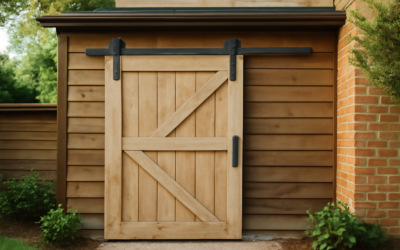
- Sheds: Walk-in or lean-to structures for mowers, bikes, and bulk gear. The largest commitment.
- Horizontal sheds: Compact units sized for trash and recycling bins along a fence line.
Materials That Survive the Elements
The material decides how long your storage lasts and how much upkeep it demands. Each has trade-offs.
Resin and Polypropylene
This is the most popular choice for deck boxes and small sheds. Resin resists rot, rust, fading, and insects, and it never needs painting. A quality UV-stabilized resin box runs $80 to $250 and shrugs off rain and sun for years. The downside is that cheaper resin can crack in extreme cold or warp under heavy sun.
Wood
Cedar and treated pine offer natural beauty and serious capacity. Wood looks at home in a garden and can be repaired board by board. The trade-off is maintenance: expect to seal or stain wood every year or two to prevent rot. Cedar resists decay better than pine but costs more.
Metal
Galvanized or powder-coated steel sheds offer the most security and the longest lifespan for larger units. They will not burn or rot, but lower-grade metal can rust at scratches and dent under impact. Look for a baked enamel or galvanized finish.
Weatherproofing Features Worth Paying For
Not all outdoor storage is genuinely weatherproof. Many budget bins are merely water-resistant. To keep contents dry, look for these features:
- A lid with an overhang or gasket that channels water away from the seam
- Raised feet or a slatted floor that lifts contents off wet ground
- Ventilation gaps to prevent trapped moisture and mildew on cushions
- Lockable latches if you store valuable tools
- UV-stabilized material so colors do not chalk and fade
For anything sensitive to moisture, toss in a few reusable desiccant packs and store cushions inside breathable bags.
Sizing It Right
The most common mistake is guessing at capacity. Measure your largest items first, especially long-handled tools or stacked cushions, and add a margin. As a rough guide, two standard patio chair cushions fill about 75 to 100 gallons. A small shed of 4 by 6 feet holds a push mower plus a few tools; a 10 by 12 shed handles a riding mower, bikes, and a workbench.
Also plan for placement. A deck box needs a flat, stable surface, while a shed often requires a gravel or paver base for drainage and a permit in some municipalities.
Budget Expectations
Outdoor storage spans a wide price range. Here is what you can expect:
- Small deck boxes and benches: $80 to $250
- Vertical cabinets and horizontal bin sheds: $150 to $500
- Mid-size resin or metal sheds: $400 to $1,200
- Large wood or steel sheds: $1,500 to $5,000-plus installed
Pro Tips for Long-Lasting Outdoor Storage
Position storage against a wall or fence for wind protection, and avoid low spots where water pools. If your box is lightweight, anchor it or weight the base so it does not tip in a storm. For sheds, leave a few inches of clearance around the structure for airflow and easy maintenance.
Clean resin and metal with mild soap and water once a season, and inspect wood units for soft spots each spring. With the right type, material, and placement, outdoor storage keeps your gear protected and your yard looking organized year-round.
Matching Storage to Specific Items
It helps to think about storage by what you actually own. Patio cushions and outdoor pillows do best in a ventilated deck box that lets trapped humidity escape, since a fully sealed bin can encourage mildew on damp fabric. Garden tools with long handles need a tall vertical cabinet or a hook system on a shed wall so the tips do not bend and the edges stay off the ground.
Pool and lake gear, like floats, noodles, and chemicals, calls for a larger box near the water, with chemicals kept in a separate, clearly labeled, child-resistant container away from anything they could react with. Sports equipment and bikes belong in a walk-in shed where you can hang them on racks to save floor space. Grilling accessories store neatly in a small bench or box beside the grill so you are not running back to the garage mid-cookout.
Security and Theft Prevention
Outdoor storage is, by nature, exposed, so security matters for anything valuable. Lockable latches turn a simple box into a deterrent, and a hasp paired with a weatherproof padlock protects power tools and expensive gear. For sheds, a quality door hardware kit and reinforced hinges make a real difference, since many thefts happen through a flimsy latch rather than a forced wall.
Heavy units are harder to carry off than lightweight ones, which is one more reason to anchor lightweight boxes. If you store genuinely high-value items outdoors, consider a motion light nearby and keep the storage out of direct view from the street.
Seasonal Care and Maintenance
A little upkeep extends the life of any outdoor storage dramatically. Each spring, empty the unit, check for pests and moisture, and wipe down the interior. Reseal wood as needed, touch up scratches on metal before rust spreads, and inspect resin for stress cracks at the corners and hinges.
Before winter in cold climates, remove anything that water can freeze and expand inside, and make sure the lid sheds snow rather than collecting it. A simple seasonal routine like this keeps your storage performing for many years instead of failing after a few rough seasons.