
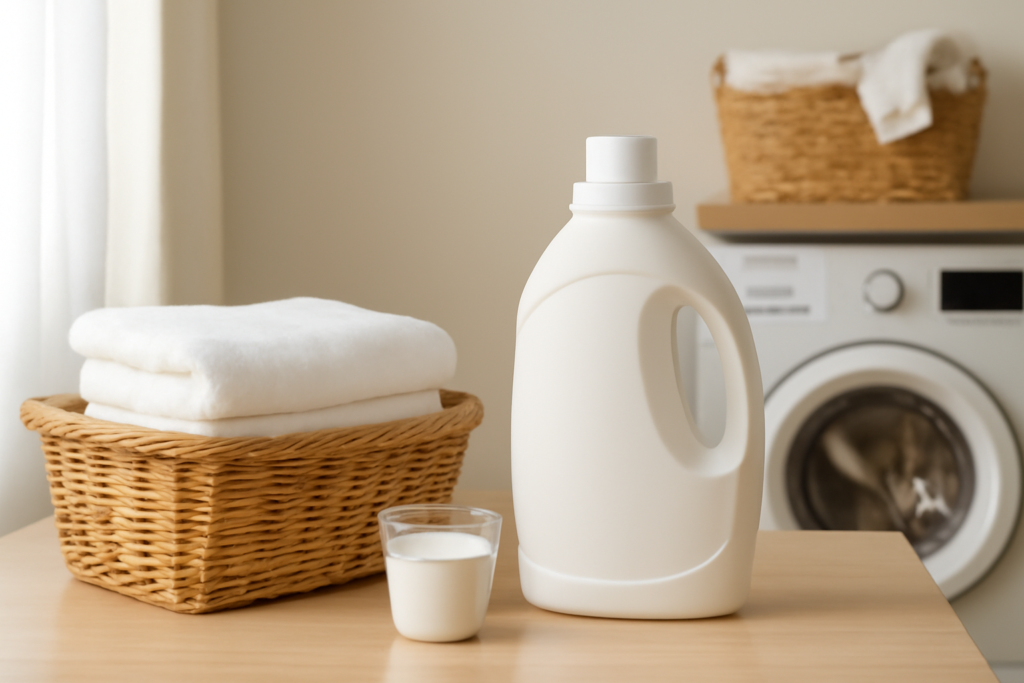
Itchy skin after laundry day is more common than most people realize, and the culprit is often the fragrance and dyes packed into standard detergent. Choosing the best scent free laundry detergent can make a real difference for sensitive skin, allergies, eczema, and households with babies. But the laundry aisle is confusing: “unscented,” “fragrance-free,” and “free and clear” all mean slightly different things. This guide explains what those labels actually promise and how to pick a detergent that cleans well without irritation.
- Why People Choose Scent-Free Detergent
- Fragrance-Free vs. Unscented: Know the Difference
- What to Look for on the Label
- Liquid, Powder, or Pods?
- Getting the Best Results
- Testing Before You Commit
- Special Considerations for Babies and Eczema
- Does Scent-Free Mean Weaker Cleaning?
- Cost and Value Considerations
- Final Thoughts
Why People Choose Scent-Free Detergent
Fragrance is one of the most common skin irritants in household products, and laundry detergent stays in contact with your skin all day through your clothes, sheets, and towels. People with eczema, psoriasis, contact dermatitis, or general sensitivity often react to fragrance compounds and dyes. Scent-free formulas remove that variable. Parents frequently switch for newborns, whose skin is thinner and more reactive, and anyone with fragrance sensitivities or asthma may simply breathe easier without perfumed laundry.
Fragrance-Free vs. Unscented: Know the Difference
This distinction trips up a lot of shoppers, and it matters:
- Fragrance-free means no fragrance ingredients are added at all. This is what most sensitive-skin users actually want.
- Unscented can mean a masking fragrance was added to cover the smell of the base chemicals, resulting in a product that smells like nothing but still contains fragrance compounds.
- Free and clear is a common marketing phrase, usually indicating no added dyes and no fragrance, though you should still verify by reading the label.
The takeaway is simple: do not trust the front of the bottle alone. Read the ingredient list and look for explicit “fragrance-free” or “no dyes and no perfumes” wording.
What to Look for on the Label
Beyond the fragrance claim, several features point to a gentle, effective detergent. Look for these:
- No added dyes: Colorants offer no cleaning benefit and can irritate skin.
- No optical brighteners: These chemicals make fabric appear whiter but can stay on clothing and bother sensitive skin.
- Dermatologist tested or hypoallergenic: Helpful indicators, though not regulated guarantees, so still check ingredients.
- Plant-based or simple formulations: Shorter ingredient lists generally mean fewer potential irritants.
- Third-party certifications: Seals from recognized allergy or asthma organizations suggest extra scrutiny.
Liquid, Powder, or Pods?
Format affects both performance and convenience. Liquid detergents dissolve well in cold water and are easy to use for pretreating stains, making them a popular all-around choice. Powders often cost less per load and store indefinitely, but they may not fully dissolve in very cold or short wash cycles. Pods offer mess-free convenience and pre-measured dosing, though they cost more per load and are not ideal for homes with young children who might mistake them for candy. For sensitive skin, the format matters less than the formula, so choose whichever fits your routine and verify it is genuinely fragrance-free.
Getting the Best Results
Switching detergent helps, but technique matters too. Residue left in fabric is a frequent cause of lingering irritation even with a gentle detergent:
- Do not overdose. Using more detergent than recommended leaves residue that traps on skin. Follow the cap or scoop markings.
- Run an extra rinse cycle for sensitive household members to flush out leftover detergent.
- Skip fabric softener and dryer sheets, which are major sources of added fragrance and skin irritation.
- Clean your washing machine periodically so old detergent and softener buildup do not transfer to clean loads.
Testing Before You Commit
Skin reactions are individual, so what works for one person may not work for another. When trying a new scent-free detergent, wash one load and wear the items for a day before converting your whole household. If irritation clears up, you have likely found your match. If it persists, the issue may be another product in your routine, such as a softener, dryer sheet, or even residue from a previous detergent still in the machine.
Special Considerations for Babies and Eczema
For infants and people with chronic skin conditions, lean toward the simplest fragrance-free, dye-free formula you can find, and always run an extra rinse. Many families wash baby clothes separately at first, then transition to washing everything in the same gentle detergent once they confirm it causes no reaction. Consistency helps; switching detergents frequently makes it hard to identify what is actually causing a flare-up.
Does Scent-Free Mean Weaker Cleaning?
A common myth holds that fragrance-free detergents do not clean as well, but that simply is not true. Fragrance contributes nothing to cleaning performance; it only adds smell. The cleaning power comes from surfactants and enzymes that lift dirt, oils, and stains, and those work the same whether or not perfume is added. Many fragrance-free formulas are built specifically for sensitive skin and still include effective stain-fighting enzymes. If a particular detergent struggles with tough stains, the answer is pretreating and proper dosing, not adding fragrance.
Cost and Value Considerations
Scent-free detergents span a wide price range, from affordable store-brand free and clear options to premium plant-based formulas. The most expensive product is not automatically the gentlest, and a simple, well-formulated budget detergent often performs just as well for sensitive skin. To judge value, compare the cost per load rather than the bottle price, since concentrated formulas deliver more washes per container. Buying in larger sizes usually lowers the per-load cost once you have confirmed a product agrees with your skin. It is wise to buy a small bottle first to test a new formula, then size up only after you are confident it cleans well and causes no reaction, which avoids being stuck with a large container of detergent you cannot use.
Final Thoughts
The best scent free laundry detergent is one that is genuinely fragrance-free, dye-free, and free of optical brighteners, cleans effectively in your water temperature, and leaves no residue behind. Read past the marketing on the front of the bottle, choose a simple formula, and pair it with proper dosing and an extra rinse. Remember that going fragrance-free costs you nothing in cleaning power. For sensitive skin, those small habits often matter as much as the product itself.


