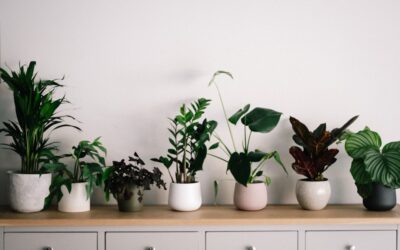
Root rot kills more indoor succulents than any other single problem, and the culprit is almost always the wrong soil. Standard potting mix holds too much moisture, suffocating roots that evolved in arid Mexican highlands and South African scrub. The best soil for succulents indoors drains within seconds, dries fully between waterings, and contains enough mineral grit to mimic their native conditions. Get the mix right and a $4 echeveria from Home Depot can outlive most houseplants in your home.
Part of our Windows & Doors guide — explore the full guide →
- What Indoor Succulents Actually Need from Soil
- Top Pre-Mixed Brands Worth Buying
- The DIY Recipe That Saves Money
- Pumice vs Perlite vs Coarse Sand
- Pot Selection Matters as Much as Soil
- Watering Schedules That Pair with Your Mix
- Common Mistakes That Sabotage Good Soil
- Fertilizing Without Burning Roots
What Indoor Succulents Actually Need from Soil
Succulents store water in their leaves. Their roots want oxygen, not constant moisture. A good indoor mix runs roughly 50% inorganic grit (pumice, perlite, coarse sand) and 50% organic matter (peat or coco coir with some compost). The target porosity allows water to flow through a 4-inch pot in under 10 seconds when poured slowly.
Indoor environments compound the challenge. Lower light, weaker airflow, and stable humidity all slow evaporation compared to outdoor conditions. A mix that works on a sunny Phoenix patio will stay wet for days on a Seattle windowsill. For indoor use, lean even more inorganic — closer to 60/40 grit-to-organic.
Top Pre-Mixed Brands Worth Buying
If you don’t want to blend your own, three commercial options consistently outperform generic cactus mixes:
- Bonsai Jack Succulent and Cactus Soil Gritty Mix — about $19 per 2 quarts. Heavy on pumice and monto clay, drains in under 5 seconds. Best for sensitive species like lithops and haworthias.
- Superfly Bonsai Succulent Mix — around $18 per gallon. Mix of pumice, lava rock, and pine bark. Slightly more organic so it holds nutrients better between fertilizing.
- The Next Gardener Succulent Soil — about $14 for 2 quarts on Amazon. Solid budget option with perlite, sand, and coco coir. Works well for common varieties like jade, echeveria, and sedum.
Skip Miracle-Gro Cactus, Palm and Citrus Mix for indoor use. It’s marketed for succulents but contains too much peat and forest products, staying wet for a week or more in low-light rooms.
The DIY Recipe That Saves Money
Mixing your own runs about 40% less than buying premium brands, and you control every ingredient. The standard formula for indoor succulents:
- 2 parts pumice (1/8 to 1/4 inch) — General Pumice Company sells 1-cubic-foot bags for around $25
- 1 part coarse perlite — avoid the dusty fine grade sold for seed starting
- 1 part regular potting soil — Fox Farm Ocean Forest or Espoma Organic both work
- Optional: 1/2 part horticultural charcoal for odor and pathogen control
Sift the potting soil through 1/4-inch hardware cloth to remove the largest chunks of bark, which trap water against roots. Mix everything dry in a 5-gallon bucket, then store extra in a sealed container. One batch fills roughly twenty 4-inch pots.
Pumice vs Perlite vs Coarse Sand
The grit you choose changes how the mix behaves. Pumice is volcanic, porous, and heavy enough to keep tall plants stable. Perlite is lighter and cheaper but floats to the surface after a few waterings, looking messy. Coarse sand drains well but can compact over time if particles are too fine — only use horticultural-grade silica sand, never play sand or beach sand.
For most indoor growers, pumice is worth the upgrade. It costs maybe $0.30 more per pot and dramatically improves longevity. Lechuza Pon, a mineral-only substrate at about $22 per 6 liters, takes this further — pure inorganic, ideal for self-watering pots and people who chronically overwater.
Pot Selection Matters as Much as Soil
Even perfect soil fails in the wrong container. Terracotta wicks moisture out through its walls and is the safest choice indoors. Glazed ceramic and plastic both seal moisture in, demanding longer drying periods between waterings. Every pot needs a drainage hole — no exceptions, no decorative cover pots without one underneath.
Pot size should hug the root ball with about half an inch of clearance. Oversized pots hold reservoirs of damp soil far from the roots, breeding fungus gnats and rot. A 4-inch terracotta pot with the right soil mix will keep most rosette succulents healthy for 12-18 months between repottings.
Watering Schedules That Pair with Your Mix
Soil and watering work as a system. With a heavily gritty mix in terracotta, you can water thoroughly — until water runs out the bottom — and the soil will dry in 5-7 days at average room temperature near 70°F. With a more organic mix in plastic, that same drink may take 10-14 days to dry out.
Always check moisture with a wooden skewer pushed to the bottom of the pot. If it comes out dry and clean, water. If it comes out cool or with soil clinging to it, wait. This single habit prevents more succulent deaths than any other technique. During winter, when most varieties go semi-dormant, stretch intervals to every 3-4 weeks.
Common Mistakes That Sabotage Good Soil
Even premium mixes can’t save a few bad habits. Adding decorative pebbles on top of soil traps moisture against the crown of the plant. Layering gravel at the bottom of the pot creates a perched water table that keeps roots wetter, not drier — a myth from old gardening books. Reusing soil from a dead succulent passes along whatever pathogens killed the last one.
Refresh soil every 18-24 months by repotting into fresh mix. Roots exhaust nutrients faster than most people realize, and old soil compacts even with high grit content. A bag of pumice and a Sunday afternoon of repotting is the cheapest insurance against losing your collection.
Fertilizing Without Burning Roots
Succulents need far less fertilizer than typical houseplants. Their slow growth and low nutrient demands mean a single half-strength dose during active growing season usually suffices for the year. Use Schultz Cactus Plus 2-7-7 or Dr. Earth Pump and Grow Succulent Plant Food, both around $9-$12 per bottle, diluted to half the label recommendation.
Skip fertilizer entirely on newly repotted plants for at least six weeks. Fresh soil with even moderate organic content holds enough nutrients for that initial period. Over-fertilizing produces leggy growth, pale leaves, and weak rosettes that lean toward light. The healthiest indoor succulents are the slightly hungry ones.