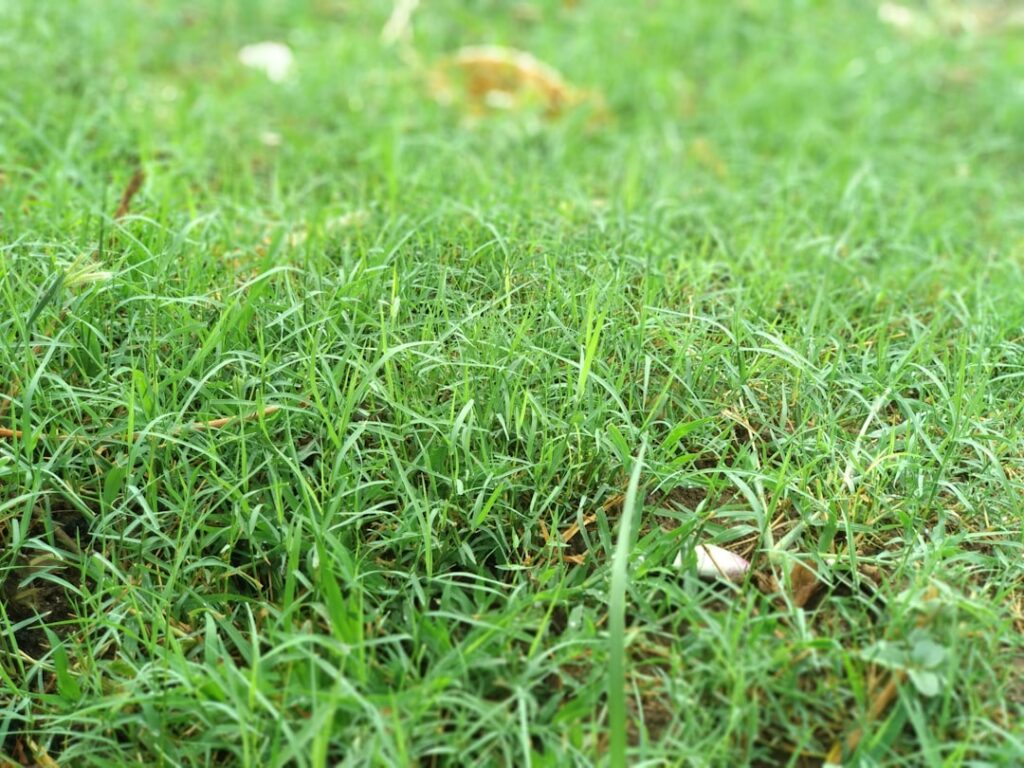
Timing is everything when it comes to establishing a beautiful lawn. Knowing the best time to plant grass seed can mean the difference between a lush, thick turf and a patchy, weed-infested yard. This guide breaks down optimal planting windows by grass type, climate zone, and region so you can seed with confidence and achieve the best possible results in 2026.
Why Timing Matters for Grass Seed
Grass seed germination depends on consistent soil temperatures, adequate moisture, and reduced competition from weeds. Planting at the wrong time exposes new seedlings to heat stress, frost damage, or aggressive weed pressure that can overwhelm young grass before it establishes.
The two critical factors are:
- Soil temperature: Cool-season grasses germinate best when soil temps are 50-65°F. Warm-season grasses need soil temps of 65-80°F.
- Weed pressure: Planting when annual weeds are not actively germinating gives grass seedlings a competitive advantage.
Best Time to Plant Cool-Season Grasses
Cool-season grasses include Kentucky Bluegrass, Tall Fescue, Perennial Ryegrass, and Fine Fescue. These grasses thrive in regions with cold winters and moderate summers.
Primary window: Late August through mid-October. Fall planting gives cool-season grasses 6-8 weeks of ideal growing conditions before the first hard frost. Soil is still warm from summer, air temperatures are cooling, fall rains provide natural moisture, and most annual weeds have stopped germinating.
Secondary window: Early March through mid-April. Spring seeding can work but faces higher weed competition and the stress of approaching summer heat. If you seed in spring, plan to apply a pre-emergent herbicide that is safe for new grass (such as mesotrione/Tenacity).
| Cool-Season Grass | Soil Temp for Germination | Days to Germinate | Best Planting Window |
|---|---|---|---|
| Kentucky Bluegrass | 50-65°F | 14-30 | Late Aug – Mid Oct |
| Tall Fescue | 50-65°F | 7-12 | Late Aug – Mid Oct |
| Perennial Ryegrass | 50-65°F | 5-10 | Late Aug – Mid Oct |
| Fine Fescue | 50-65°F | 7-14 | Late Aug – Mid Oct |
Best Time to Plant Warm-Season Grasses
Warm-season grasses include Bermuda, Zoysia, St. Augustine, Centipede, and Bahia. These grasses dominate in the southern United States where summers are long and hot.
Primary window: Late April through June. Warm-season grasses need consistently warm soil (65°F+) and a full summer of growth ahead to establish deep root systems before winter dormancy. Planting in late spring gives them maximum growing time.
Avoid planting after August. Late-planted warm-season grasses do not have enough time to develop the root system needed to survive winter, even in mild climates.
| Warm-Season Grass | Soil Temp for Germination | Days to Germinate | Best Planting Window |
|---|---|---|---|
| Bermuda Grass | 65-70°F | 7-14 | Late Apr – Jun |
| Zoysia Grass | 65-70°F | 14-21 | Late Apr – Jun |
| Centipede Grass | 65-70°F | 14-28 | May – Jun |
| Bahia Grass | 65-70°F | 14-28 | Late Apr – Jun |
Note: St. Augustine grass is not commonly grown from seed and is typically established with sod or plugs.
Planting Schedule by Region
| Region | Cool-Season Grasses | Warm-Season Grasses | Transition Zone Notes |
|---|---|---|---|
| Northeast (NY, PA, MA, CT) | Aug 15 – Oct 1 | Not recommended | N/A |
| Upper Midwest (MN, WI, MI) | Aug 15 – Sep 30 | Not recommended | N/A |
| Pacific Northwest (WA, OR) | Sep 1 – Oct 15 | Not recommended | N/A |
| Transition Zone (VA, KY, TN, MO) | Sep 1 – Oct 15 | May 1 – Jun 15 | Tall Fescue or Zoysia work best |
| Southeast (GA, SC, AL, FL panhandle) | Oct 1 – Nov 1 (overseed) | Apr 15 – Jun 30 | Bermuda or Zoysia primary |
| Deep South (FL, Gulf Coast) | Ryegrass overseed Oct-Nov | Mar 15 – Jun 30 | St. Augustine sod preferred |
| Southwest (AZ, NM, NV) | Ryegrass overseed Oct-Nov | Apr 1 – Jun 15 | Bermuda primary; heavy irrigation needed |
| Mountain West (CO, UT, MT) | Aug 15 – Sep 30 | Not recommended | Kentucky Bluegrass dominant |
Month-by-Month Lawn Seeding Calendar
| Month | Cool-Season Action | Warm-Season Action |
|---|---|---|
| January | Plan & order seed | Plan & order seed |
| February | Soil test | Soil test |
| March | Spring seeding window opens (secondary) | Prep soil in deep South |
| April | Last chance for spring seeding | Begin planting in South |
| May | Avoid seeding | Prime planting month |
| June | Avoid seeding | Last good planting month |
| July | Avoid seeding | Avoid seeding |
| August | Prime fall seeding begins mid-month | Avoid seeding |
| September | Best seeding month overall | Avoid seeding |
| October | Last chance in most areas | Overseed Bermuda with Ryegrass (South) |
| November | Dormant seeding possible in North | Ryegrass overseeding (South) |
| December | Dormant seeding in frozen ground | No action |
Soil Preparation Before Seeding
Good soil preparation is just as important as timing. Follow these steps 2-4 weeks before your target seeding date:
- Test your soil: A soil test from your county extension office reveals pH, nutrient levels, and organic matter content. Most grasses prefer a pH of 6.0-7.0.
- Amend as needed: Apply lime to raise pH or sulfur to lower it. Add compost to improve soil structure and nutrient content.
- Remove debris: Clear rocks, sticks, and dead vegetation from the area. For existing lawns being overseeded, mow to 1.5-2 inches and rake aggressively.
- Loosen the soil: For bare ground, till the top 2-4 inches. For overseeding, core aerate or use a power rake to create seed-to-soil contact.
- Grade the surface: Ensure the soil slopes away from structures for proper drainage. Fill low spots and level uneven areas.
If you are working with cinderblock retaining walls around your lawn areas, ensure proper grading directs water away from both the walls and your new grass seed.
Grass Seeding Tips for Success
- Use quality seed: Buy certified seed with a germination rate of 85% or higher. Avoid cheap mixes with high percentages of filler or annual grasses.
- Apply at the right rate: Follow the seed bag recommendations. Over-seeding creates competition that stunts all seedlings; under-seeding leaves room for weeds.
- Use a broadcast spreader: For even coverage, make two passes at half-rate in perpendicular directions.
- Ensure seed-to-soil contact: Lightly rake or roll the seed into the top 1/4 inch of soil. Seeds sitting on top of the surface dry out and fail to germinate.
- Apply starter fertilizer: Use a high-phosphorus starter fertilizer (such as 18-24-6) at the time of seeding to encourage root development.
- Consider a seed blanket: On slopes or windy sites, erosion control blankets prevent seed from washing away before germination.
Post-Seeding Care
The first 4-6 weeks after seeding are critical:
- Watering: Keep the top 1 inch of soil consistently moist (not waterlogged) until germination. This usually means light watering 2-3 times daily for 5-10 minutes. After germination, gradually shift to deeper, less frequent watering.
- First mowing: Wait until the grass reaches 3-4 inches tall, then mow at the highest setting, removing no more than one-third of the blade length.
- Weed control: Avoid herbicides on new grass for at least 60 days unless using a product specifically labeled for new seedlings.
- Foot traffic: Keep people, pets, and equipment off newly seeded areas for at least 6-8 weeks.
- Second fertilization: Apply a balanced fertilizer 6-8 weeks after germination to support continued growth.
Once your lawn is established, maintaining it alongside other landscape features like boxwood borders creates a cohesive, professional-looking yard.
Frequently Asked Questions
Can I plant grass seed in summer?
It is not recommended for most grass types. Summer heat and drought stress make it extremely difficult for new seedlings to survive. Cool-season grasses struggle with high temperatures, and even warm-season grasses may face insufficient moisture. If you must seed in summer, be prepared for intensive daily watering.
Is it too late to plant grass seed in November?
For cool-season grasses in northern regions, you can try dormant seeding in November-December. The seed lies dormant over winter and germinates at the first opportunity in spring. Success rates are lower than fall seeding but higher than spring seeding in many cases. For warm-season grasses, November is too late.
How long does grass seed take to grow?
Germination times vary by species. Perennial Ryegrass is fastest at 5-10 days. Tall Fescue takes 7-12 days. Kentucky Bluegrass is slowest at 14-30 days. Full establishment for any grass type takes 8-12 weeks under good conditions.
Should I use seed or sod?
Seed is significantly cheaper (5-10 cents per square foot vs. $0.50-$1.50 for sod) and offers more variety choices. Sod provides instant results and can be installed in nearly any season. Sod is the better choice for slopes, high-traffic areas that need quick establishment, and areas prone to erosion.
Can I mix cool-season and warm-season grasses?
In transition zone climates (Zones 6-7), overseeding warm-season lawns with cool-season Ryegrass in fall provides year-round green color. However, permanently mixing the two types in the same lawn is not recommended, as they have conflicting care requirements.
How often should I water new grass seed?
Water new seed lightly 2-3 times daily for 5-10 minutes each session, keeping the top 1 inch of soil consistently moist. After germination (visible green sprouts), reduce frequency to once daily for 15-20 minutes. After the first mowing, transition to 2-3 deep waterings per week.
Last updated: March 2026