Finding the best vacuum cleaner for carpet is not as straightforward as grabbing the most expensive model off the shelf. Different carpet types demand different cleaning approaches. A vacuum that excels on low-pile commercial carpet may struggle with thick shag. A lightweight stick vacuum that handles daily touch-ups may lack the suction power for deep weekly cleaning.
This guide helps you understand what makes a vacuum effective on carpet, compares the major vacuum types, and highlights the features that matter most so you can invest in the right machine for your home.
Why Carpet Needs a Specialized Vacuum
Carpet flooring traps dirt, dust, allergens, and debris deep within its fibers in ways that hard flooring simply does not. A broom pushes dirt across hardwood. On carpet, particles work their way down through the pile and settle at the base of the fibers where they grind against the carpet backing with every footstep.
This embedded dirt accelerates carpet wear, dulls colors, and degrades indoor air quality. A vacuum designed for carpet must extract debris from deep within the pile, not just skim particles off the surface. That requires strong suction, effective agitation, and proper airflow — qualities that vary significantly across vacuum types and models.
Types of Vacuum Cleaners for Carpet
Upright Vacuums
Upright vacuums remain the gold standard for carpet cleaning. Their motorized brush rolls sit directly on the carpet surface, agitating fibers and loosening embedded dirt while powerful suction pulls debris into the dust bin or bag. The combination of agitation and suction is exactly what carpet needs for thorough cleaning.
Modern upright vacuums offer adjustable height settings that optimize brush roll contact across different carpet pile heights. They typically provide the strongest suction of any consumer vacuum type and cover large areas efficiently thanks to their wide cleaning heads.
The main drawbacks are weight (most uprights weigh 15 to 20 pounds), noise, and limited maneuverability under furniture. If your home is primarily carpeted with minimal furniture to navigate around, an upright vacuum is your best bet.
Canister Vacuums
Canister vacuums separate the motor and dust collection into a wheeled unit connected to the cleaning head by a hose. This design distributes weight differently, making the cleaning head lighter and more maneuverable than an upright. Canister vacuums with motorized power heads clean carpet almost as effectively as uprights while offering superior versatility.
A canister vacuum with a turbo brush or electric power head provides the agitation carpet needs. Models with suction-only attachments work well for bare floors, stairs, and above-floor cleaning. If your home has a mix of carpet and hardwood flooring or tile flooring, a canister vacuum handles both surfaces with a simple attachment swap.
Stick Vacuums
Cordless stick vacuums have improved dramatically in suction power and battery life. Premium models from brands like Dyson, Samsung, and LG now rival mid-range uprights in cleaning performance on low to medium-pile carpet.
Stick vacuums excel as daily maintenance tools. Their lightweight design (typically 5 to 8 pounds) and cordless convenience encourage more frequent vacuuming, which is the single most important factor in carpet longevity. However, most stick vacuums lack the sustained suction and deep-cleaning ability needed for thick, plush carpet.
Consider a stick vacuum as a supplement to a full-size vacuum, not a replacement. Use the stick vacuum for quick daily passes and the upright or canister for weekly deep cleaning.
Robot Vacuums
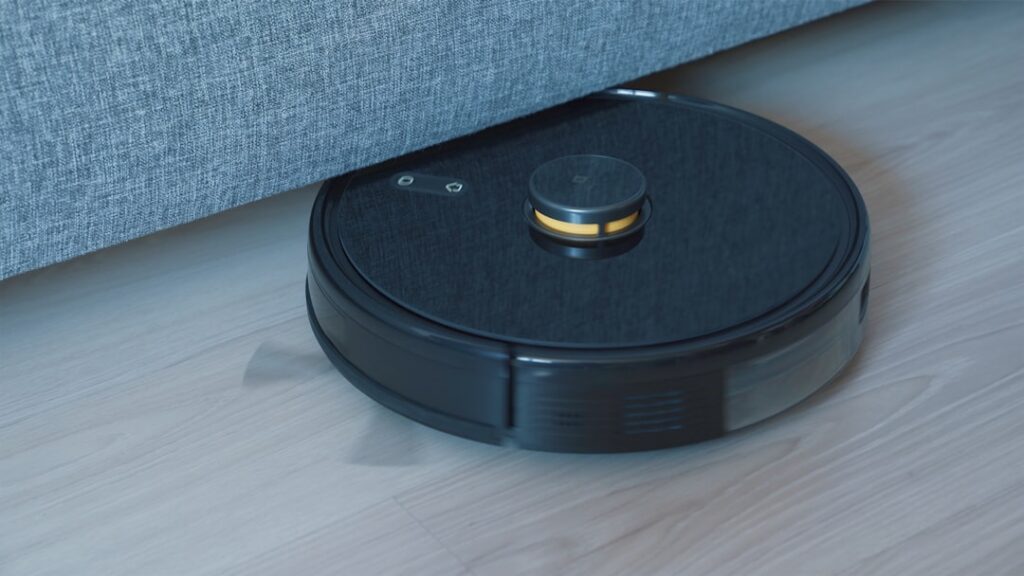
Robot vacuums provide hands-free daily maintenance that keeps carpet surfaces clean between manual vacuuming sessions. They navigate around furniture, follow programmed schedules, and return to their charging docks automatically.
Premium robot vacuums with strong suction and rubber brush rolls perform adequately on low-pile carpet. However, they struggle with medium and high-pile carpets, cannot clean stairs, and miss corners and tight spaces. Robot vacuums are best viewed as maintenance tools that reduce the frequency of manual vacuuming rather than replacements for it.
Commercial and Professional Vacuums
For households with extensive carpet coverage, pets that shed heavily, or allergy sufferers who need maximum dust extraction, commercial-grade vacuums offer superior performance. Brands like Miele, SEBO, and Riccar manufacture vacuums with hospital-grade filtration, powerful motors, and durable construction that outlast consumer models by years.
These vacuums cost more upfront — typically $400 to $1,000 — but their superior cleaning performance and longer lifespans make them worthwhile investments for carpet-heavy homes.
Key Features for Carpet Cleaning
Brush Roll Type
The brush roll is the most important feature for carpet cleaning. A motorized brush roll with stiff bristles physically agitates carpet fibers to dislodge embedded dirt. Without this agitation, even powerful suction cannot extract particles trapped at the base of the pile.
Combination brush rolls with both bristle strips and rubber blades offer versatile performance across carpet types. Some models feature tangle-free designs that prevent hair from wrapping around the brush roll — a major advantage for pet owners.
Suction Power
Suction power, measured in watts, air watts, or inches of water lift, determines how effectively the vacuum pulls loosened dirt through the carpet pile and into the dust bin. Higher suction generally means better deep cleaning, but suction alone cannot replace agitation.
Look for vacuums with adjustable suction settings. Maximum suction works best on low-pile carpet but can make the vacuum difficult to push on thick carpet. Reducing suction slightly on plush carpet improves maneuverability without significantly reducing cleaning performance.
Height Adjustment
Carpet pile height varies from the flat loop of Berber to the deep plush of frieze. A vacuum with adjustable height settings positions the brush roll at the optimal distance from the carpet backing regardless of pile thickness.
Setting the vacuum too low on thick carpet creates excessive resistance and can damage carpet fibers. Setting it too high on thin carpet reduces agitation effectiveness. Manual height adjustment provides more precise control than automatic systems, which sometimes misjudge pile depth.
Filtration
HEPA filtration captures 99.97 percent of particles as small as 0.3 microns, including dust mite allergens, pollen, mold spores, and pet dander. For allergy and asthma sufferers, HEPA filtration is non-negotiable.
Sealed filtration systems ensure that no air bypasses the filter. Even a vacuum with a HEPA filter will recirculate allergens if the housing has air leaks. Look for models that specify sealed system HEPA filtration for maximum allergen capture.
Bagged vs. Bagless
Bagged vacuums generally provide better filtration and maintain suction more consistently than bagless models. The bag itself acts as an additional filter layer, and suction remains steady until the bag is nearly full. Emptying a bag is also cleaner — you remove the sealed bag and discard it without dust exposure.
Bagless vacuums eliminate ongoing bag purchase costs and let you see when the bin needs emptying. However, emptying the bin releases dust back into the air, and many bagless models experience suction loss as the bin fills. For homes with heavy carpet soiling or allergy concerns, bagged vacuums are typically the better choice.
Best Vacuums by Carpet Type
Low-Pile and Berber Carpet
Low-pile carpets are the easiest to vacuum effectively. Most vacuum types perform well on these surfaces, including stick vacuums and robot vacuums. Choose a vacuum with a brush roll that can be lowered close to the carpet surface for maximum agitation.
Be cautious with Berber carpet — its looped construction can catch on aggressive brush rolls, pulling loops and causing damage. Use a vacuum with adjustable brush roll speed or a suction-only setting for loop-pile Berber.
Medium-Pile Cut Carpet
Standard cut-pile carpet in medium thickness represents the most common residential carpet type. An upright vacuum with a motorized brush roll and adjustable height is the ideal match. Set the height so the brush roll contacts the fiber tips without bogging down.
High-Pile and Plush Carpet
Thick, plush carpets trap the most dirt and are the hardest to clean. You need an upright or canister vacuum with strong suction, a high-speed brush roll, and the ability to raise the cleaning head above the deep pile. Budget models often lack the power to extract debris from the base of thick carpet fibers.
Shag Carpet
Shag carpet with long, loose fibers requires careful vacuuming to avoid tangling and pulling fibers. Disable the brush roll and use suction only, or raise the vacuum to its highest setting. Some manufacturers offer specific shag carpet attachments designed to glide over long fibers without catching them.
Vacuum Maintenance for Optimal Performance
Even the best vacuum cleaner for carpet loses effectiveness without regular maintenance. Replace or wash filters according to the manufacturer’s schedule. Clogged filters reduce airflow and suction dramatically.
Check the brush roll regularly for tangled hair, string, and debris. Wrapped material prevents the bristles from contacting carpet fibers and reduces cleaning performance. Cut away tangles with scissors every few weeks.
Replace vacuum bags when they reach three-quarters full, not when the indicator light activates. Most indicator systems trigger only when the bag is completely full, at which point suction has already been reduced for some time.
Inspect belts for stretching and wear. A loose or worn belt slows the brush roll, reducing agitation. Replace belts every 6 to 12 months, even if they appear intact.
How Often to Vacuum Carpet
The Carpet and Rug Institute recommends vacuuming high-traffic areas daily and the entire carpeted area at least twice per week. Homes with pets or allergy sufferers should vacuum daily throughout. This frequency prevents dirt from grinding into fibers and maintains carpet appearance and lifespan.
Make multiple slow passes over each area. Two slow passes extract significantly more dirt than four fast passes. Vacuum in overlapping parallel lines, then make a second set of passes perpendicular to the first for the most thorough cleaning.
Final Thoughts
The best vacuum cleaner for carpet combines a motorized brush roll, strong suction, adjustable height, and quality filtration in a package that suits your home’s carpet types and your physical preferences. Upright vacuums remain the top choice for dedicated carpet homes, while canister vacuums offer superior versatility for mixed-surface homes. Supplement either with a cordless stick or robot vacuum for daily maintenance, and your carpets will stay cleaner, last longer, and contribute to healthier indoor air quality.