
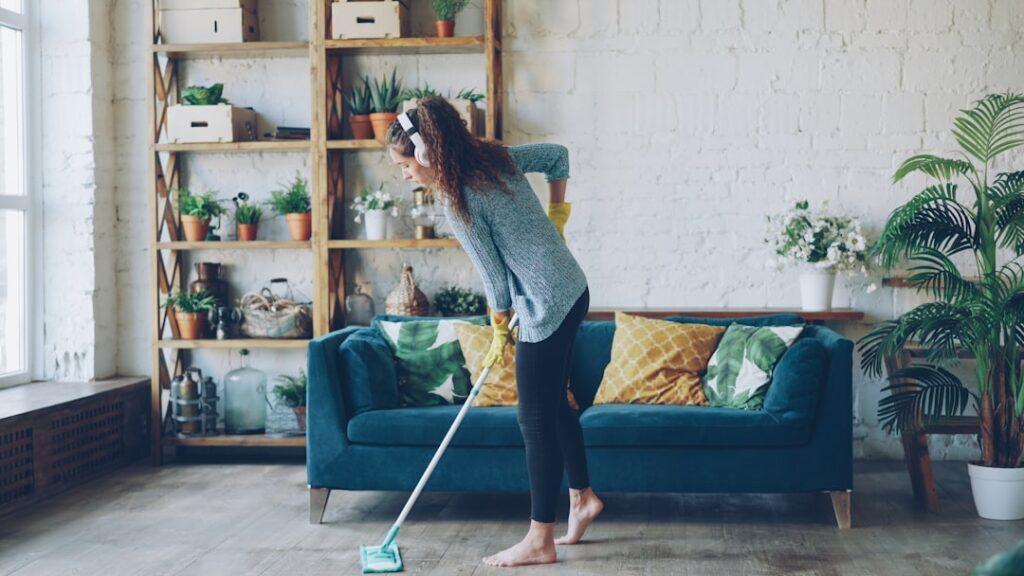
Most people fight dust with a feather duster and lose. Feathers redistribute dust into the air, where it lands on the next horizontal surface within two hours. The best way to clean dust uses microfiber, HEPA filtration, and a sequence that captures particles instead of pushing them around. After testing every popular tool on a real, dusty house, here is what genuinely works — and the cheap mistakes I see most often.
- Why Most Dusting Fails
- Tools That Actually Capture Dust
- Sequence: Top to Bottom, Always
- Damp Microfiber Beats Dry
- HEPA Vacuums for Floors and Soft Surfaces
- Air Filtration Cuts Sources
- Dust Magnets to Address Directly
- Bedding and Soft Goods
- Routine That Actually Works
- Mistakes to Stop Making
- The Verdict
Why Most Dusting Fails
Standard feather dusters, dry cotton rags, and quick-spray polishes lift dust into the air without trapping it. Particles smaller than 10 microns — the type that aggravate asthma — float for hours before resettling. You spend an hour dusting and your shelves look great, but the air is now full of suspended particles that resettle on every flat surface by tomorrow.
Microfiber works because the split fibers carry an electrostatic charge that holds dust mechanically. A damp microfiber cloth picks up 99 percent of dust particles in a single pass without flinging them.
Tools That Actually Capture Dust
Three tools do most of the work. Microfiber cloths in 12-by-12 squares ($1 to $2 each in 24-packs) handle horizontal surfaces, electronics, and furniture. A microfiber dust mop with a swiveling head handles floors, baseboards, and ceiling corners. A HEPA-filter vacuum captures fine particles instead of blowing them out the exhaust.
Skip Swiffer-style disposable pads if budget matters. They work fine but cost three times as much per use as washable microfiber. Skip ostrich-feather dusters entirely — they are decorative.
Sequence: Top to Bottom, Always
Dust falls. Cleaning bottom-up means you re-dust everything below as you work upward. Always start at ceiling fans, light fixtures, and crown molding. Move down to wall art, shelves, mantels, and tabletops. Finish with baseboards, vents, and floors.
For ceiling fans, slide an old pillowcase over each blade, pinch closed, and pull off — the dust stays inside the case instead of raining down on furniture. This trick alone saves 20 minutes of cleanup on a dusty house.
Damp Microfiber Beats Dry
A lightly damp microfiber cloth — sprayed once with water from 18 inches away — outperforms any dry rag. The slight moisture helps fibers grab particles instead of skating over them. Avoid heavy spraying; you do not want to wet the surface, just damp the cloth.
For wood furniture, mist the cloth with a 50/50 mix of water and white vinegar instead of plain water. The vinegar evaporates fast and leaves no streaks. Skip oil-based polishes weekly — they build up and attract more dust over time.
HEPA Vacuums for Floors and Soft Surfaces
The vacuum matters more than any other tool in the dust war. Look for sealed HEPA filtration with a tight body — gaps between the canister and motor leak as much dust as a non-HEPA unit. The Miele C3 Complete ($800) and Shark Navigator NV356E ($200) both seal well; cheaper bagless models often leak.
Vacuum carpet weekly, hard floors weekly, and upholstered furniture monthly with a soft-brush attachment. Mattresses need a quarterly pass to control dust mites — they thrive in bedding and feed on shed skin cells.
Air Filtration Cuts Sources
HVAC filters with a MERV 11 or 13 rating capture more dust than the cheap fiberglass filters that come with new systems. Replace every 60 to 90 days during heavy use. A quality filter costs $15 to $25 and reduces airborne particles between vacuuming sessions.
Add a portable HEPA air purifier — the Coway AP-1512HH ($165) or Levoit Core 300 ($90) — to the bedroom and living room. Running them on low 24/7 cuts dust accumulation on horizontal surfaces by 30 to 40 percent in most homes.
Dust Magnets to Address Directly
Some surfaces collect dust faster than others and need targeted attention. Address them weekly during dust cleaning sessions.
- Electronics: compressed air for keyboards and PC vents
- Lampshades: sticky lint roller, then microfiber
- Books: vacuum brush attachment along the top edges
- Picture frames: microfiber, especially the top edge
- Air vents and registers: remove and rinse twice a year
- Window blinds: microfiber wand, one slat at a time
Bedding and Soft Goods
Bedding holds more dust mites than any other item in the house. Wash sheets and pillowcases weekly in hot water (130 degrees Fahrenheit minimum) to kill mites. Encase mattresses and pillows in mite-proof covers — they trap mites and dander inside the bedding rather than letting it escape into the air.
Curtains and drapes collect house dust and pollen. Vacuum with a brush attachment monthly or take down for a wash twice a year. Shake area rugs outdoors weekly when weather permits.
Routine That Actually Works
The reason houses stay dusty is sporadic deep cleaning instead of a consistent rhythm. The rhythm I recommend:
- Daily (2 minutes): microfiber kitchen counters and any high-traffic surface
- Weekly (45 minutes): dust top to bottom, vacuum all floors
- Monthly (1 hour): ceiling fans, blinds, vents, electronics
- Quarterly (2 hours): baseboards, mattresses, behind furniture
- Annually: ducts inspected, HVAC tune-up, deep upholstery clean
Mistakes to Stop Making
The single biggest mistake is dry-dusting electronics — fan blades blow particles back into the air the moment you turn them on. Use microfiber slightly damp or compressed air with a vacuum running nearby. Other common errors: using fabric softener sheets on screens, oil-based polishes weekly, and dusting after vacuuming instead of before.
Pulling shoes off at the door cuts incoming dust by 60 percent according to indoor air-quality studies. A door mat outside and a dedicated mat inside trap most of what makes it past your shoes.
The Verdict
The best way to clean dust is to capture it instead of moving it. Microfiber damp, HEPA vacuum, top-to-bottom sequence, and a weekly rhythm. Add air filtration to cut the source. Done consistently, you can cut visible dust by 60 to 70 percent and breathe noticeably cleaner air — without buying anything more exotic than a $15 pack of microfiber cloths.


