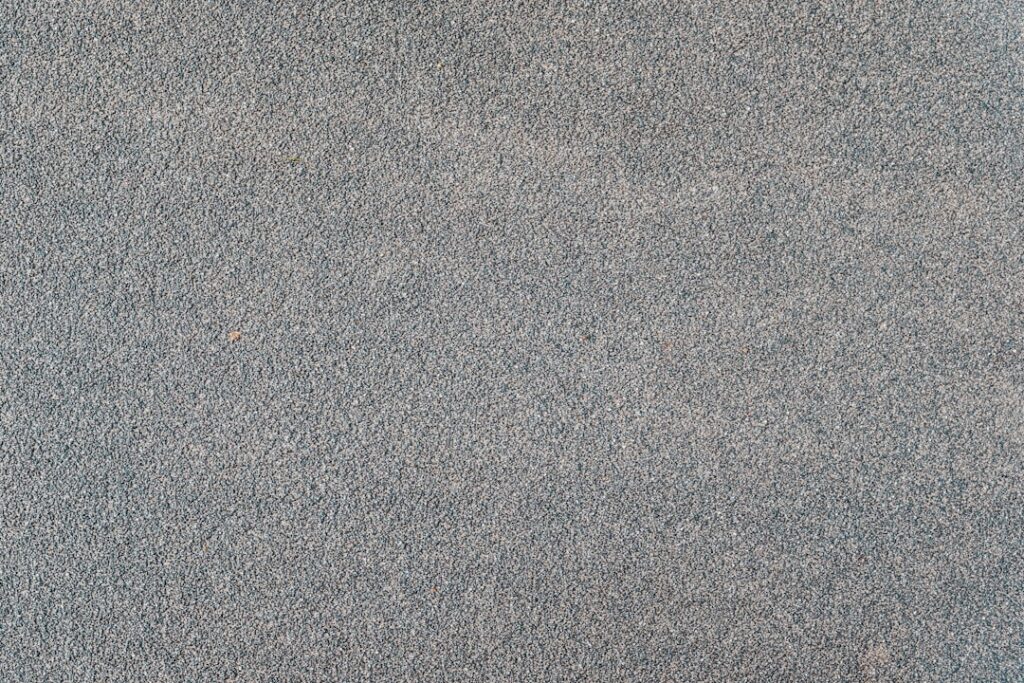
Boat owners, deck builders, and patio remodelers keep coming back to black marine carpet for one reason: it looks sharp and hides dirt while shrugging off sun, water, and mildew. This specialized outdoor-rated carpet is engineered from solution-dyed polypropylene fibers bonded to a marine-grade rubber or vinyl backing, so it drains freely and never rots the way indoor carpet would. Whether you are re-carpeting a bass boat, covering a pontoon deck, or lining a porch that takes afternoon sun, the black colorway is the most forgiving shade for daily use.
Before you order a roll, it helps to understand what separates true marine carpet from cheap outdoor knockoffs, how much you should expect to pay, and what it takes to glue it down so it lasts a decade instead of a season. This guide walks through fiber quality, backing options, adhesives, cutting, and long-term care.
What Makes Marine Carpet Different
Ordinary residential carpet uses jute or synthetic secondary backing that soaks up moisture and breeds mold within weeks of outdoor exposure. Marine carpet flips that formula. The face fiber is almost always polypropylene (olefin), which absorbs less than 0.1 percent of its weight in water and resists fading because the color is locked into the fiber during manufacturing rather than dyed onto the surface.
The backing is the real workhorse. Quality rolls use a woven or unitary rubber backing with tiny perforations that let water pass straight through to the deck below. That drainage is why a wet boat carpet dries in an hour instead of staying soggy and sour. Cheap imitations skip the perforations, so puddles sit on top and eventually stink.
Why Black Is the Smart Color Choice
Color selection is not just cosmetic on a boat or deck. Black marine carpet masks the two things that plague outdoor flooring: dirt tracked in from docks and dark water stains from fish, bait, and algae. A tan or gray carpet shows every smudge, while black keeps a clean look between deep cleanings.
The one trade-off worth knowing is heat. Dark fibers absorb sunlight, so a black surface in direct summer sun can run 20 to 40°F hotter than the ambient air. On a boat that is rarely a problem because you are usually barefoot only near shaded areas, but on a south-facing patio you may want to pair it with a lighter border or rinse it before walking barefoot at midday.
Understanding Face Weight and Pile
Face weight, measured in ounces per square yard, tells you how much fiber sits on the surface. Marine carpet generally comes in three tiers:
- 16 to 20 oz: Budget-grade, thin, best for temporary use or trailer bunks. Expect a shorter lifespan.
- 20 to 24 oz: The sweet spot for most boats and decks. Durable underfoot, dries fast, and holds up to foot traffic for 8 to 12 years.
- 24 to 32 oz: Premium plush feel, favored for pontoon lounging areas and high-end runabouts. Heavier and pricier, but noticeably softer.
For a family boat or a covered porch, a 20 oz product balances comfort, drainage, and cost. Go heavier only where you plan to sit or kneel often.
What You Will Pay
Pricing runs roughly $3 to $8 per square foot depending on face weight and backing quality. Standard 6-foot-wide rolls are common, with 8.5-foot widths available for wider boat decks. A typical 16-foot bass boat needs about 60 to 90 square feet, putting material cost near $180 to $500. Budget another $30 to $60 for outdoor-rated adhesive and a few dollars for a fresh utility knife blade.
Buying by the full roll almost always beats buying pre-cut sections, and it lets you match the grain direction across the whole project. Order 10 to 15 percent extra to cover mistakes, seams, and future patches.
Choosing the Right Adhesive
The glue matters as much as the carpet. Standard indoor carpet adhesive fails outdoors because it is not built for constant moisture and temperature swings. Use one of these instead:
- Outdoor marine carpet adhesive: A thick, waterproof latex or acrylic formula sold specifically for this job. Spread with a notched trowel for full coverage.
- Contact cement: Applied to both the deck and the carpet backing, then pressed together. Grabs instantly and holds well on aluminum and fiberglass, but leaves no room to reposition.
- Spray adhesive: Convenient for small patches and vertical surfaces, though not strong enough for a full deck that sees heavy use.
Whatever you pick, apply it to clean, dry, dust-free substrate. Any old glue residue or flaking paint will telegraph through and cause the carpet to lift.
Step-by-Step Installation
Start by removing the old carpet and scraping the deck down to bare, sound material. Sand off leftover adhesive, then wipe with a solvent so nothing prevents a fresh bond. Dry-fit the new carpet first: lay it loose, mark your cut lines with a marker on the backing, and trim with a sharp utility knife guided by a straightedge.
Work in sections. Fold half the carpet back, trowel adhesive onto the exposed deck, then roll the carpet down and press it firmly from the center outward to push out air bubbles. Repeat for the other half. Use a hand roller or a rolling pin to seat the fibers into the glue. Around cleats, hatches, and pedestals, cut relief slits and tuck the edges tight. Keep foot traffic off the surface for at least 24 hours while the adhesive cures.
Cleaning and Long-Term Care
Routine care is simple. Hose the carpet down after each outing to flush out dirt, salt, and organic debris before it sets. For deeper cleaning, scrub with a soft-bristle brush and a marine carpet cleaner or a mild dish-soap solution, then rinse thoroughly and let it air dry in the sun. Avoid bleach and harsh degreasers, which can break down the backing over time.
Mildew shows up as dark spots even on black carpet if moisture gets trapped underneath. A specialized mildew remover or a diluted vinegar rinse handles surface growth. To prevent it, make sure the boat drains fully and never store it soaking wet under a tarp. A quality black marine carpet installed over a well-drained deck should give you 8 to 12 years of good-looking service before the fibers mat down enough to justify replacement.
Common Mistakes to Avoid
The biggest error is skipping full-coverage adhesive and spot-gluing only the edges. Water works its way under loose sections and the carpet peels within a season. A close second is installing over a damp deck, which traps moisture and guarantees mildew. Finally, do not stretch the carpet like an indoor install; marine carpet should lay flat and relaxed so it does not pull free from the glue as temperatures cycle. Get the prep and adhesive right, and this is one of the most forgiving flooring upgrades a boat or patio owner can make.