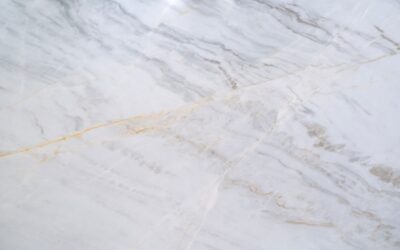
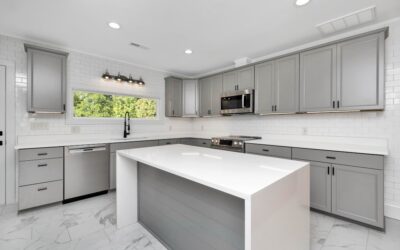
Blanco Maple quartz is an engineered-quartz countertop color built around a warm, creamy base flecked with soft brown and golden mineral tones. If you have spent any time shopping for kitchen surfaces, you already know how quickly the choices pile up. Blanco Maple quartz tends to land near the top of many shortlists because it reads as warm and inviting without committing to a single dominant color, which makes it unusually flexible across cabinet finishes and design styles.
This guide walks you through what the color actually looks like in a real kitchen, how engineered quartz behaves day to day, what it pairs with, what you can expect to pay, and how to keep it looking new. The goal is to give you enough practical detail to decide whether it belongs in your home.
What Blanco Maple Quartz Looks Like
The name is a useful clue. “Blanco” points to the light, off-white field that forms the background, and “maple” describes the warm amber and tan particles scattered through it. Picture a soft beige-cream surface with a fine, evenly distributed grain rather than the bold veining you see in marble-look slabs. Most versions sit in the warm-neutral family, leaning toward greige in some lighting and closer to true cream in bright daylight.
Because the speckle pattern is small and consistent, the color hides crumbs, light stains, and everyday clutter better than a stark white or a high-contrast pattern. That consistency also means slab-to-slab variation is generally modest, so the countertop you see in a showroom sample is usually close to what arrives at your home. Still, always view a full slab before purchase, since lighting and slab size change how the tone reads.
Understanding Engineered Quartz
Engineered quartz is not a slab cut from a single block of stone. It is manufactured by combining roughly 90 to 94 percent ground natural quartz with resins, polymers, and pigments, then compacting and curing the mixture into hard, uniform slabs. Color names like Blanco Maple come from the specific blend of quartz particles and pigments a manufacturer chooses.
This construction gives quartz two big practical advantages over natural stone. First, the surface is non-porous, so it does not need annual sealing the way granite or marble does. Second, the color and pattern are engineered for consistency, which removes much of the guesswork that comes with shopping for one-of-a-kind natural slabs. The trade-off is that quartz is less heat-tolerant than natural stone and the resin content makes it sensitive to prolonged direct sun.
Durability and Everyday Performance
Quartz is one of the harder countertop materials you can buy. On the Mohs hardness scale, mineral quartz rates around 7, which means the engineered surface resists scratches from normal kitchen use far better than laminate or even many natural stones. You can set down keys, slide a heavy pot, or work near it without obsessing over surface marks.
The non-porous surface is the standout feature for a busy kitchen. Spilled wine, coffee, oil, and acidic juices sit on top of the slab rather than soaking in, so you have time to wipe them up. That same property makes quartz highly hygienic, since there are no pores for bacteria or mold to settle into. For a light color like Blanco Maple, this stain resistance matters: the warm speckle disguises minor marks, and the sealed surface keeps deeper staining from setting.
The main limitation is heat. Resin binders can scorch or discolor when exposed to high temperatures, so never set a hot pan straight from the burner onto the slab. Always use trivets or hot pads. Sharp impacts on an unsupported edge or corner can also chip the material, though this is uncommon in normal use.
Design Pairings and Style Ideas
The reason designers reach for warm neutrals like Blanco Maple quartz is versatility. Because the color carries both light and earthy tones, it bridges traditional and transitional kitchens with ease. Here are pairings that tend to work well:
- White or cream cabinets: Creates a soft, cohesive, light-filled look that feels timeless rather than stark.
- Natural or honey-toned wood cabinets: The maple tones echo the wood grain, producing a harmonious farmhouse or cottage feel.
- Dark espresso or navy cabinets: The light counter provides contrast and keeps a dark kitchen from feeling heavy.
- Stainless or oil-rubbed bronze hardware: Both finishes complement the neutral base; bronze plays up the warmth, stainless keeps it crisp.
For backsplashes, subway tile in white or a soft taupe keeps the focus on the counter, while a natural travertine or beige stone backsplash leans further into the warm palette. Because the color is forgiving, you have room to be bolder with flooring and wall paint than you would with a high-contrast countertop.
Cost Expectations
Pricing for engineered quartz depends on the brand, the slab’s color tier, your region, and the complexity of the installation. As a general estimate, installed quartz countertops commonly run somewhere in the range of $50 to $120 per square foot, with most mid-tier neutral colors landing in the middle of that band. Warm neutrals like Blanco Maple are usually priced as standard or mid-tier colors rather than premium designer patterns, which helps keep them accessible.
Treat any single number as an estimate, not a quote. Final cost is shaped by edge profiles, the number of cutouts for sinks and cooktops, whether you need a waterfall island, and local labor rates. Always get an itemized quote from a fabricator that measures your actual space, and ask whether removal of the old countertop and plumbing reconnection are included.
Cleaning and Long-Term Care
One of the quiet joys of quartz is how little maintenance it demands. For daily cleaning, warm water, a soft cloth, and a small amount of mild dish soap handle almost everything. Wipe spills promptly, and the non-porous surface stays bright with minimal effort.
A few habits will protect the finish for the long haul:
- Skip abrasive scouring pads and gritty powders, which can dull the polished surface over time.
- Avoid harsh chemicals such as bleach, oven cleaner, and high-alkaline or strongly acidic cleaners, since these can damage the resin and affect the color.
- Use trivets and hot pads for any hot cookware, and a cutting board for knife work to protect both the counter and your blades.
- For dried or stubborn residue, a plastic scraper and a quartz-safe cleaner lift it without scratching.
Follow the manufacturer’s specific care instructions for your slab, as cleaning recommendations can vary slightly between brands. Done consistently, this routine keeps a Blanco Maple counter looking close to new for many years.
Is Blanco Maple Quartz Right for You?
Blanco Maple quartz suits homeowners who want a warm, low-maintenance surface that flatters a wide range of cabinet colors and design styles. It is an especially strong pick if you cook often, dislike the upkeep of sealing natural stone, and prefer a forgiving color that hides everyday wear. If you crave dramatic marble veining or a pure bright-white look, a different quartz pattern may serve you better.
Before you commit, view a full slab in person under your own lighting if possible, confirm the price with a measured quote, and ask your fabricator about edge options and seam placement. With realistic expectations and basic care, this warm neutral can anchor a kitchen that feels current today and still looks good a decade from now.