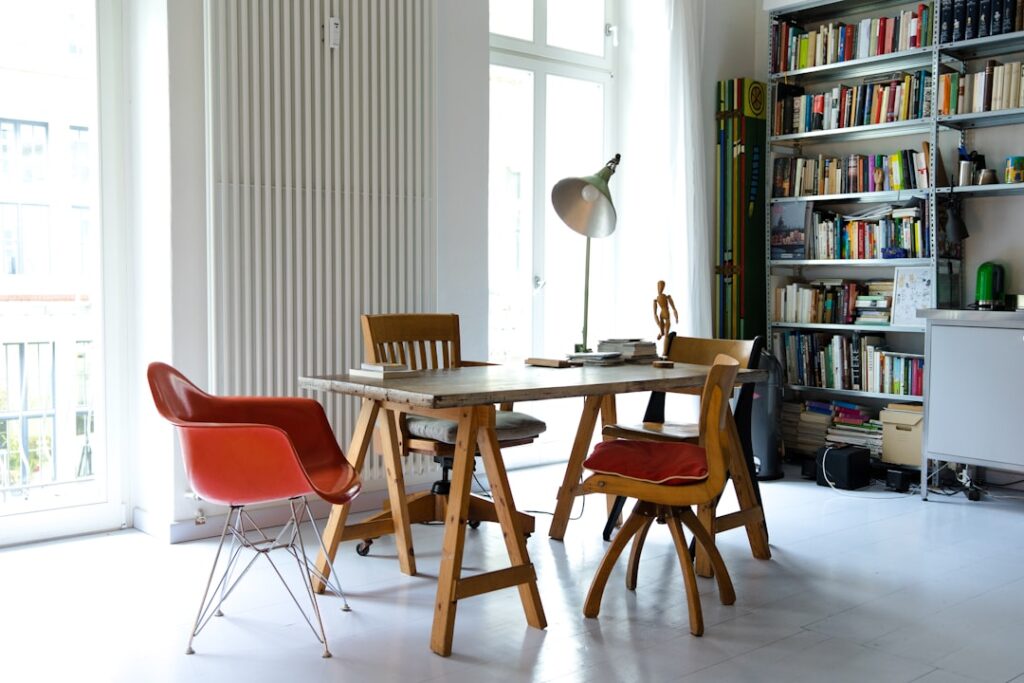
Scroll through any 2024 or 2025 home design feed and the floors are almost always pale — bleached oak, white-washed maple, or that signature Scandinavian-meets-California whitewash that flips dark walnut homes into bright, airy spaces. Blonde flooring is the design movement that replaced espresso-stained hardwood as the dominant high-end residential look and shows no sign of retreating. The catch is that “blonde” is not a single product — it can mean natural pale species, pickled or whitewashed finishes, fumed-then-bleached oak, or photo-printed laminate and LVP. Each option has different costs, durability profiles, and aging behavior.
Defining the Blonde Look
The category covers any flooring that reads as light gold to creamy white at standing height. The most common tones run cooler beige to warm honey, with the cooler “ash blonde” and “white oak natural” looks dominating high-end remodels. Warmer “honey blonde” and “natural maple” tones are popular in mid-tier residential. The unifying trait is brightness — these floors reflect light rather than absorbing it, making rooms feel 15 to 25% larger visually.
Natural Species That Read Blonde
Five wood species naturally produce a blonde appearance without bleaching or whitewash:
- White oak (natural): creamy honey with subtle gray undertones, 1,360 Janka, $5 to $11 per sq ft
- Hard maple: nearly white with tight grain, 1,450 Janka, $5 to $10 per sq ft
- Birch: pale yellow to honey, 1,260 Janka, $4 to $8 per sq ft
- Beech: light pink-tan, 1,300 Janka, $4 to $7 per sq ft
- Ash: wider grain, light tan to gold, 1,320 Janka, $5 to $9 per sq ft
White oak with a clear finish is the runaway favorite for both new builds and refinishes. Its grain takes wire-brushing, fuming, or whitewashing well, giving designers many ways to fine-tune the color.
Stained or Bleached Blonde
If you have existing red oak or darker hardwood, bleaching can produce a blonde finish without replacing the floor. Two-part wood bleach (peroxide plus sodium hydroxide) lightens red oak to a pale honey shade in one application. Pickling stains add white pigment to the surface for a chalky finish. Whitewashing thins white paint with mineral spirits and wipes it across the grain.
Each technique has tradeoffs. Bleach is permanent and damages wood fibers slightly — the floor accepts finish unevenly afterward. Pickling sits on top of the wood and shows wear at high-traffic zones within 5 to 10 years. Whitewash is the most controllable but also the least durable.
Engineered, Laminate, and LVP Blonde Looks
The fastest-growing blonde flooring category is engineered planks and printed surfaces. Major brands offer extensive light-tone collections:
- Stuga Blonde collection (engineered oak): $7 to $11 per sq ft
- Mirage Sweet Memories (engineered): $8 to $13
- Pergo Outlast Blonde Oak laminate: $2 to $4
- COREtec Pro Plus Polar Blonde LVP: $3.50 to $6
- Karndean Korlok Honey Oak: $5 to $8
For renters, families with pets, or basement applications, blonde-look LVP gives the aesthetic at half the cost of real wood with full waterproof performance. Photo-print quality on premium products is good enough that most visitors cannot tell the difference at standing height.
Pros That Make Blonde Trending
Light floors photograph well. Real estate listings with blonde floors show 20% more click-through than dark-floor listings in many markets. Resale appeal is part of the equation, but daily livability matters more — light floors hide dust, dog hair, and footprints far better than dark floors. The dust that telegraphs on espresso oak disappears on natural white oak.
Light floors also pair with a wider range of furniture and rug palettes. A dark floor visually anchors the room and demands lighter furniture for contrast; a blonde floor accepts dark, mid-tone, or light furniture interchangeably. That flexibility extends design lifespan — you can re-decorate without replacing the floor.
The Cons Buyers Underestimate
Light floors show every scratch. A dropped fork that barely shows on dark walnut leaves a visible mark on natural white oak the first day. UV-cured aluminum oxide finishes help, but no finish is scratch-proof.
Pet stains are also more visible. Dog urine that dries unnoticed on dark wood for an hour leaves a permanent black mark on bleached oak — the alkalinity reacts with tannins. Quick cleanup is essential.
Sunlight ambering is the third issue, especially with maple. Light-finished maple yellows noticeably in the first 6 to 12 months under direct UV, especially with oil-modified finishes. Waterborne finishes help. Move rugs every 6 months in the first 2 years to prevent permanent shadow lines.
Maintenance Notes for Blonde Floors
Use Bona, Loba, or Dura-Seal pH-neutral cleaners — vinegar, ammonia, and citrus all stain or yellow lighter finishes. Vacuum or microfiber daily; weekly damp clean. Refresh worn matte finishes with a manufacturer-approved refresher product every 18 to 24 months. Major refinishing every 8 to 15 years for solid hardwood, screen-and-recoat every 5 to 7 years for engineered.
Pricing for a 1,000 sq ft Project
- LVP blonde look (mid-grade): $4,500 to $8,000 installed
- Laminate blonde oak: $4,000 to $6,500 installed
- Engineered white oak blonde finish: $9,000 to $14,000 installed
- Solid white oak with site-applied bleach finish: $11,000 to $17,000
- Solid hard maple, factory natural: $9,000 to $13,000
Choosing the Right Blonde Flooring
Match the product to the use case. New high-end builds and full remodels deserve real engineered or solid white oak with a clear or fumed-and-bleached finish — the natural wood ages and patinas, where photo-print finishes cannot. Mid-budget kitchens, bathrooms, and basements get more value from waterproof LVP in a blonde wood look. Existing hardwood in good condition is worth refinishing with a bleach, pickle, or whitewash before considering a tear-out. Whichever you choose, sample on-site under your actual lighting for at least three days — blonde flooring shifts dramatically between cool LED, warm incandescent, and natural daylight, and the showroom never matches your living room.
Prefer to explore on your own?
See how new flooring looks in your actual room in seconds — free, no signup.
Try the free Floor Studio →