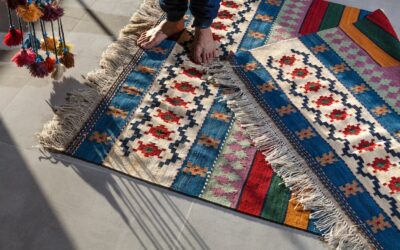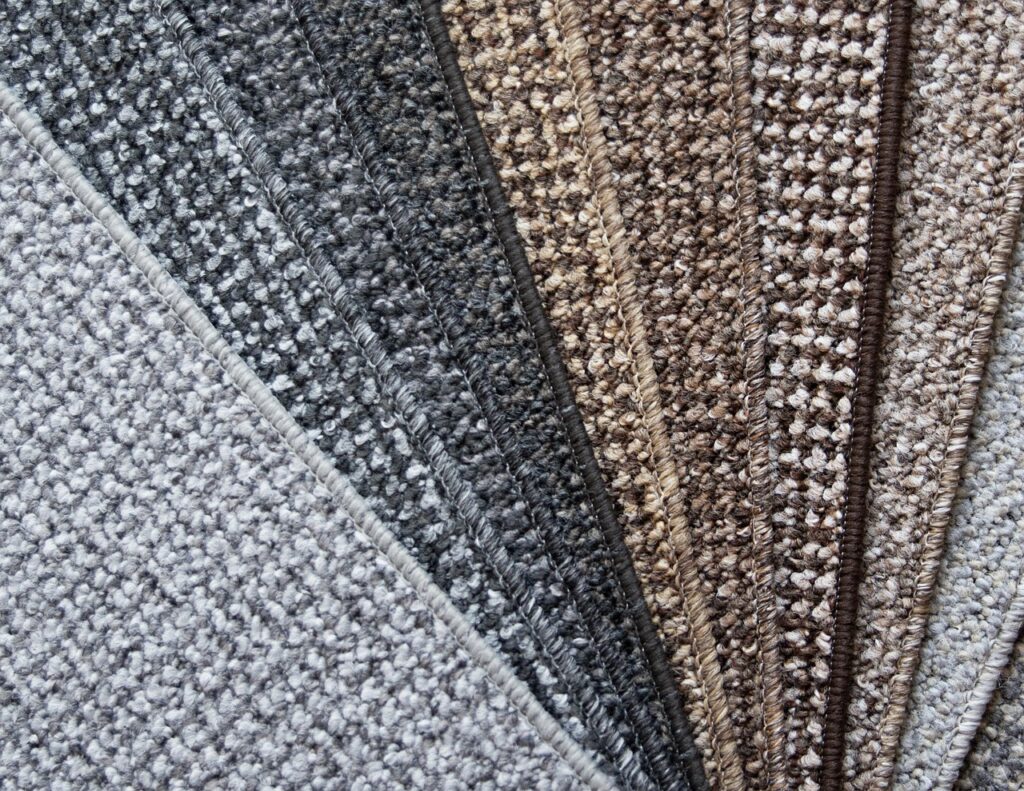
Walk into a Swedish design studio or a Manhattan loft and you will likely see woven flooring underfoot — flat, textured, and unmistakably modern. Woven flooring is an umbrella category that covers woven vinyl planks and tiles (Bolon, Chilewich, 2tec2), woven natural fibers (sisal, seagrass, jute, coir), and woven wool carpet weaves. Each behaves very differently in real homes. The vinyl wovens are commercial-grade and bomb-proof; the natural fibers look gorgeous but stain if you sneeze near them.
- The Two Big Categories
- Real Prices Per Square Foot
- Durability and Where Each Type Belongs
- Installation Methods
- Pros That Justify the Price
- The Cons No One Warns You About
- Cleaning and Maintenance Reality
- Warranties and What They Mean
- Choosing the Right Woven for Your Project
- Acoustic and Underfoot Considerations
- Combining Woven With Other Floor Types
The Two Big Categories
Woven vinyl is the workhorse: PVC yarns woven over a fiberglass scrim, then laminated to a vinyl backing. Brands include Bolon (Sweden), Chilewich (NY), 2tec2 (Belgium), and Dickson. Woven natural fibers come from sisal (agave plant), seagrass (Asian wetlands), jute (South Asia), and coir (coconut husk). They install as wall-to-wall broadloom or as bound area rugs.
Wool wovens like Axminster and Wilton sit in a third category — traditional carpet construction with woven (not tufted) backing. Premium hotels and stately homes still use these for durability that tufted carpet cannot match.
Real Prices Per Square Foot
Budget around $3 to $8 per square foot for woven vinyl from mid-tier brands; designer collections from Bolon and Chilewich run $9 to $18 per square foot. Sisal averages $5 to $12 per square foot installed, seagrass $4 to $9, and jute $3 to $7. Woven wool carpet starts at $15 and climbs past $50 per square foot for hand-woven Axminster.
Installation adds $2 to $5 per square foot for vinyl, more for natural fibers because they require careful seam binding and often a custom border. Get the whole-job number, not just material.
Durability and Where Each Type Belongs
Woven vinyl is rated for heavy commercial traffic — slip ratings R10 to R11, abrasion class 33, and fire ratings Bfl-s1. It handles airports, retail stores, and high-traffic homes. Sisal holds up well to traffic but stains aggressively when wet; never use it where spills happen. Seagrass and jute are softer underfoot but degrade in humidity above 70 percent.
For kitchens, mudrooms, and basements, choose woven vinyl. For bedrooms, dining rooms, and home offices in dry climates, natural fibers shine. Wool wovens work anywhere except wet rooms.
Installation Methods
Woven vinyl installs in tiles (typically 19.7 inch squares) with full-spread acrylic adhesive or in broadloom rolls glued or double-stick to the subfloor. Sisal and seagrass install glued direct to the subfloor with felt or rubber underlayment for cushion. Wool Axminster goes over carpet pad with tackless strip and power stretching.
Acclimate natural fiber rolls for 48 hours flat in the install room. Cutting tools matter: a Bolon scribe knife or a heavy-duty rotary cutter, not a utility knife with a dull blade.
Pros That Justify the Price
- Texture and visual depth that printed vinyl cannot replicate
- Bolon woven vinyl: phthalate-free, 33 percent recycled content, recyclable at end of life
- Natural fibers add humidity buffering and biophilic appeal
- Wool Axminster outlasts tufted carpet by 2 to 3x in commercial settings
- Slip resistance: R10 to R11 on woven vinyl handles wet entries
The Cons No One Warns You About
Sisal grabs every drop of red wine, coffee, and pet accident and holds it forever. Seagrass cannot accept dyes, so your color choices are natural greens and tans. Woven vinyl shows seam lines if cut sloppily — hire someone who has done Bolon before, not a general carpet installer. Wool wovens require professional cleaning every 18 months or matting kills the pile.
And the upfront cost is high. A 12 by 15 living room in Bolon Studio runs $2,500 to $4,000 in material alone before underlayment and labor.
Cleaning and Maintenance Reality
Woven vinyl mops clean with a neutral pH cleaner and dries fast — same as LVT. Natural fibers tolerate dry vacuuming only; wet cleaning ruins the fibers and causes shrinkage. Spills must be blotted immediately, never rubbed. For protein stains on sisal, professional dry compound extraction is the only safe option.
Apply a fluorocarbon stain treatment like Intec Fiber-Pro to new sisal and seagrass before furniture goes in. It buys you maybe 30 seconds to grab a towel — better than zero.
Warranties and What They Mean
Bolon woven vinyl carries a 15 year commercial wear warranty (matched in residential use). Chilewich offers 10 years residential. Natural fiber wovens generally have no wear warranty because shedding and color variation are considered normal. Wool Axminster warranties run 10 to 15 years against manufacturing defects, not traffic wear.
Choosing the Right Woven for Your Project
If you want low-maintenance and high-design, go woven vinyl — specifically Bolon Studio, Chilewich Plynyl, or 2tec2 Soft. If you want natural texture and accept the care burden, sisal in low-traffic rooms is unbeatable for $5 to $8 per square foot. If you have budget and want generational durability, woven wool is the answer for living rooms and dining rooms.
Sample everything in your actual lighting before you commit. Woven flooring reads dramatically different under warm incandescent versus daylight, and the photo on the manufacturer website is rarely accurate.
Acoustic and Underfoot Considerations
Woven vinyl provides modest sound absorption — better than LVT but well below carpet. For multifamily and offices where acoustics matter, add an acoustic underlayment beneath glued-down woven vinyl (compatible products exist from Bolon and Chilewich at $1 to $2 per square foot). Natural fiber wovens absorb sound noticeably better but at the cost of stainability. Wool Axminster with a quality 40 oz pad delivers the quietest of any woven option.
Combining Woven With Other Floor Types
Many designers pair woven vinyl in entries and hallways with hardwood or LVT in living rooms, using a flush transition strip to integrate the two. Bolon and 2tec2 specifically design borders and transitions for this hybrid approach. The woven section handles wet entry traffic; the hardwood section delivers the warm living-area feel. Plan the transition location at a natural threshold, not mid-room.
Prefer to explore on your own?
See how new flooring looks in your actual room in seconds — free, no signup.
Try the free Floor Studio →