Woven carpet represents the oldest and highest-quality way to make a carpet, the same loom-based craft behind heirloom rugs and the carpets you find in luxury hotels, theaters, and grand homes. Unlike the tufted carpet that fills most stores, woven carpet is created by interlacing the pile and backing together in a single integrated structure, which is why it lasts for decades.
That construction comes at a price, but for homeowners who value longevity, pattern, and a genuinely premium underfoot feel, nothing else compares.
Woven Versus Tufted: The Core Difference
Most carpet sold today is tufted, meaning yarn is punched through a pre-made backing and glued in place with latex. It is fast, cheap, and perfectly serviceable. Woven carpet is different at the structural level: the pile yarn and the backing yarns are woven together simultaneously on a loom, locking the fibers in without relying on adhesive to hold them.
The result is a carpet that resists shedding, holds intricate patterns crisply, and survives heavy traffic far longer. It is the difference between a garment that is sewn together and one that is woven whole.
The Two Main Types
Traditional woven carpet comes in two historic weaves, both named for the English towns where they were industrialized.
- Axminster: Capable of complex, multi-color patterns with virtually unlimited design freedom, which is why it carpets so many hotels and cinemas. The pile is cut and the design is essentially printed into the weave itself, producing a flat, hard-wearing surface.
- Wilton: Woven as a continuous yarn that runs through the carpet, giving a denser, more uniform pile. Wilton typically uses fewer colors but offers superb durability and can be made as cut or loop pile, including plush velvets and textured Berbers.
The Advantages
Longevity leads the list. A quality woven carpet can last 20 to 30 years or more in a residential setting, often outliving several tufted replacements. Because the fibers are locked into the weave, shedding is minimal and the carpet keeps its appearance under sustained foot traffic.
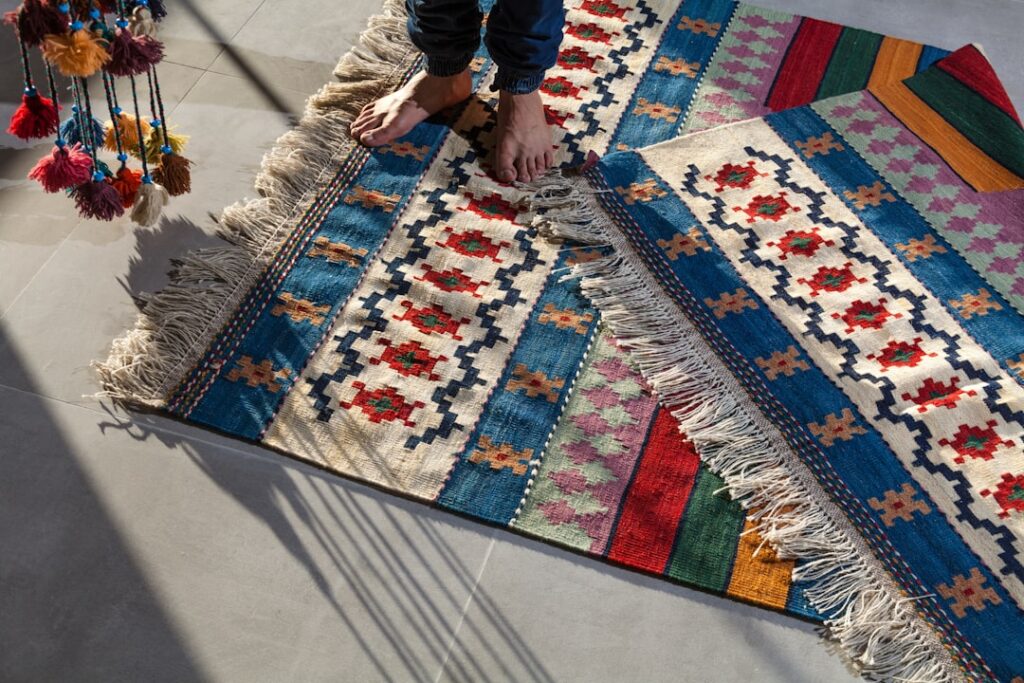
Pattern fidelity is another strength. Woven construction renders borders, medallions, and detailed motifs with crisp clarity that printed tufted carpet cannot match. Many woven carpets also use high-grade wool, which is naturally resilient, flame-resistant, and good at hiding soil. The overall feel underfoot is dense, substantial, and unmistakably premium.
The Drawbacks
Cost is the obvious one. The slow loom process and frequent use of wool make woven carpet several times more expensive than entry-level tufted product. It is an investment, not an impulse buy.
Selection is narrower too, since fewer mills weave carpet and lead times can be longer for custom patterns. Wool versions, while wonderful, can be more sensitive to certain stains and harsh cleaning chemicals than synthetic fibers, and they should be kept out of constantly damp areas. Installation also demands an experienced fitter to do justice to the material.
Where Woven Carpet Shines
Formal living and dining rooms, staircases, and main hallways are ideal, since these are the spaces where durability and visible quality matter most and where guests notice the difference. It is the traditional choice for stairs precisely because the woven structure resists the wear that destroys lesser carpet on the leading edge of each tread.
Patterned Axminster also disguises everyday soil and footprints beautifully, making it practical despite its luxury reputation. For high-traffic public areas of a home, it earns its keep.
Fiber Choices in Woven Carpet
While construction defines a woven carpet, the fiber shapes how it performs day to day. Wool is the traditional and premium choice, naturally resilient, soil-hiding, flame-resistant, and able to spring back from crushing better than almost any synthetic. It is the fiber most associated with fine Axminster and Wilton goods.
Wool blends, often combining wool with nylon, add abrasion resistance and reduce cost while keeping much of wool’s character. Synthetic woven carpets exist too, using polypropylene or nylon for better stain and moisture resistance at a lower price, though they rarely match wool’s feel or longevity. Match the fiber to the room: wool for formal, lower-traffic luxury and blends where durability and budget matter more.
What to Look for When Buying
Quality varies even within woven carpet, so a few details separate the excellent from the merely good. Density is the first thing to check; press your fingers into the pile and feel how easily you reach the backing. A dense, tightly packed pile resists crushing and wears far longer than a sparse one.
- Confirm whether it is genuine Axminster or Wilton weave, not a printed imitation.
- Ask about the fiber content and the percentage of wool in any blend.
- Check the carpet’s traffic rating to be sure it suits your intended room.
- Inspect the backing and edges for tight, even construction.
- Budget for a quality underlay, which protects the carpet and improves comfort and lifespan.
Cost Expectations
Woven carpet typically runs $8 to $30 per square foot for the material, with fine wool Axminster and Wilton products reaching the upper end and beyond for custom work. Professional installation adds roughly $1 to $4 per square foot, plus quality underlay, which you should never skimp on with a carpet this good.
Viewed over a 25-year lifespan, the cost per year can actually undercut repeatedly replacing cheaper carpet, which is the case longtime owners make for it.
Care and Maintenance
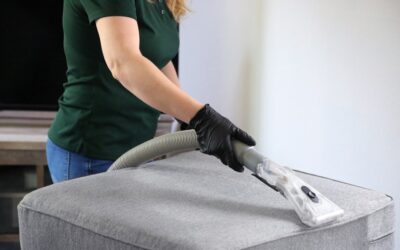
Vacuum regularly with a machine suited to the pile type; a suction-only or adjustable-height vacuum protects delicate weaves and wool. Attend to spills immediately by blotting, never rubbing, and use cleaners appropriate to the fiber, since wool dislikes high alkalinity and excessive moisture. Schedule professional cleaning every 12 to 18 months in busy areas.
Keep furniture from sitting in the same spot indefinitely by shifting heavy pieces occasionally and using floor protectors, which prevents permanent crush marks in the pile. Treated with reasonable care, woven carpet rewards you with a floor that feels luxurious, hides wear gracefully, and stays beautiful long after ordinary carpet would have been hauled to the curb.