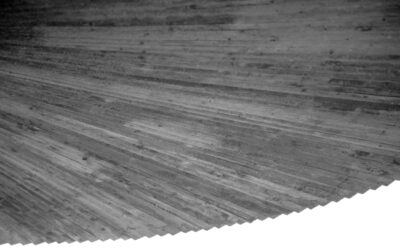
Boat foam flooring has become one of the most popular upgrades for recreational vessels, fishing boats, pontoons, and personal watercraft. Lightweight, comfortable, and slip-resistant, foam decking replaces traditional teak, fiberglass, and carpet boat flooring with a modern, low-maintenance alternative that performs well in wet marine environments.
This guide covers everything you need to know about foam boat flooring, including material types, closed-cell construction, custom versus pre-cut options, adhesive installation methods, leading brands, and pricing.
- What Is Boat Foam Flooring?
- Types of Boat Foam Flooring
- Closed-Cell Construction: Why It Matters
- Custom vs. Pre-Cut Foam Flooring
- Adhesive Installation Guide
- Popular Boat Foam Flooring Brands
- Color Options and Aesthetics
- Pricing Guide
- Maintenance and Care
- Boat Foam Flooring vs. Other Marine Flooring Options
- Common Problems and Solutions
- Is Boat Foam Flooring Worth It?
What Is Boat Foam Flooring?
Boat foam flooring is a sheet material, typically made from EVA (ethylene-vinyl acetate) or PE (polyethylene) foam, that is adhered directly to the existing deck surface of a boat. It is designed to provide cushioning, traction, insulation, and a clean aesthetic. Most boat foam flooring features a textured or grooved surface that mimics the look of traditional teak decking.
Unlike marine carpet, which absorbs water and harbors mold, foam decking is waterproof and dries quickly. Unlike real teak, it requires virtually no maintenance and costs a fraction of the price.
Types of Boat Foam Flooring
EVA Foam Flooring
EVA foam is the most common material used in boat foam flooring. It is the same closed-cell foam used in yoga mats, athletic shoes, and gym flooring. In marine applications, EVA foam offers several key advantages:
- Closed-cell structure – Does not absorb water, which means no mold, mildew, or odor.
- Excellent cushioning – Standing on EVA foam is comfortable for long hours of fishing, cruising, or water sports.
- Non-slip surface – The textured surface provides reliable grip even when wet.
- UV resistant – High-quality EVA foam resists fading from prolonged sun exposure.
- Thermal insulation – Foam keeps the deck cool underfoot in direct sunlight, unlike fiberglass or aluminum which can become painfully hot.
EVA foam sheets for boats typically range from 5mm to 6mm in thickness, though some premium products are available in 8mm or thicker.
PE Foam Flooring
PE (polyethylene) foam is another closed-cell option used in marine decking. It tends to be slightly firmer and more rigid than EVA, which some boaters prefer for high-traffic areas. PE foam is also chemically resistant and handles fuel and oil exposure better than EVA in some formulations.
PE foam is less common than EVA in consumer boat flooring products but appears in commercial and industrial marine applications.
Hybrid and Specialty Foams
Some manufacturers offer proprietary foam blends that combine EVA and PE characteristics or add additional layers for enhanced durability. These hybrid products may include a reinforced backing, a harder wear layer on top, or antimicrobial treatments.
Closed-Cell Construction: Why It Matters
The closed-cell structure of boat foam flooring is its defining feature for marine use. In closed-cell foam, each cell is completely sealed and does not interconnect with neighboring cells. This means:
- Zero water absorption – Water sits on the surface and drains away, never penetrating the foam.
- No mold or mildew growth – Without moisture inside the material, biological growth cannot take hold.
- Structural integrity – Closed-cell foam maintains its shape and cushioning over years of use.
- Buoyancy – The trapped air within cells makes the material naturally buoyant.
Open-cell foams, by contrast, act like sponges and are completely unsuitable for marine use. Always verify that any boat foam flooring you purchase is closed-cell.
Custom vs. Pre-Cut Foam Flooring
Pre-Cut Kits
Many manufacturers offer pre-cut foam flooring kits designed for specific boat makes and models. These kits arrive cut to the exact dimensions of your deck, including cutouts for hatches, cleats, seats, and other hardware. Pre-cut kits offer the fastest, most foolproof installation.
Pros of pre-cut kits:
- Perfect fit with no measuring or cutting required
- Professional appearance with clean edges
- Faster installation, often under two hours
- Cutouts for all hardware are precise
Cons of pre-cut kits:
- More expensive than sheet material
- Limited to supported boat models
- May not account for aftermarket modifications
Custom and DIY Sheets
For boats without a pre-cut kit available, or for boaters who want full control over their layout, buying foam sheets and cutting them to fit is the alternative. Large EVA foam sheets are sold by the roll or in panels that you template, cut, and install yourself.
Pros of DIY sheets:
- Lower cost per square foot
- Works with any boat regardless of make and model
- Allows custom patterns, colors, and layouts
Cons of DIY sheets:
- Requires careful templating and cutting
- More time-intensive installation
- Higher risk of errors and wasted material
CNC-Cut Custom Orders
A middle ground between pre-cut kits and DIY is ordering CNC-cut custom flooring from a manufacturer. You provide a template of your deck (usually made from cardboard or paper), and the manufacturer uses computer-guided cutting to produce perfectly shaped panels. This option costs more than DIY but less than premium brand kits.
Adhesive Installation Guide
Most boat foam flooring uses a peel-and-stick adhesive backing. The quality of your installation depends heavily on surface preparation.
Step 1: Clean the Deck Surface
Remove all existing flooring material, carpet, or adhesive residue. Clean the bare deck surface with acetone or a marine-grade degreaser. The surface must be completely free of oil, wax, dirt, and moisture. Any contamination will compromise adhesion.
Step 2: Dry Fit the Foam Panels
Lay all foam panels in position without removing the adhesive backing. Verify fit, check alignment of seams, and confirm all cutouts line up with hardware. Mark any areas that need trimming with a pencil or chalk.
Step 3: Apply the Foam
Working one panel at a time, peel back a portion of the adhesive backing and press the foam firmly onto the deck. Work from one end to the other, smoothing out air bubbles as you go. Use a roller or flat tool to ensure full contact between the adhesive and the deck surface.
Step 4: Seal the Edges
Apply marine-grade sealant along the edges and seams of the foam panels. This prevents water from working its way under the foam, which could compromise the adhesive bond over time.
Step 5: Allow Curing Time
Most adhesives require 24 to 48 hours of curing time before the boat is used. Keep the deck dry during this period. Some manufacturers recommend placing weights on the panels during curing for maximum adhesion.
Installation Tips
- Install in moderate temperatures, ideally between 60 and 80 degrees Fahrenheit. Extreme heat or cold can affect adhesive performance.
- Use a heat gun on low setting to improve adhesive bonding on textured surfaces.
- Cut foam with a sharp utility knife, replacing blades frequently for clean edges.
- Leave a small gap (1-2mm) between panels to allow for thermal expansion.
Popular Boat Foam Flooring Brands
SeaDek
SeaDek is the most recognized name in boat foam flooring. They offer both pre-cut kits and custom-cut options in a wide range of colors and textures. SeaDek uses a proprietary EVA foam blend and is the OEM choice for many boat manufacturers. Their products are premium-priced but widely regarded as the industry standard.
Castaway Customs
Castaway Customs specializes in custom-cut foam decking for fishing boats and center consoles. They offer SeaDek and other foam materials, cut to your specifications. Their templates and CNC cutting produce excellent results for boats without off-the-shelf kits.
MarineMat
MarineMat offers EVA foam decking in a variety of thicknesses and colors. They are known for competitive pricing and offer both pre-cut kits and DIY sheet material. Their non-skid patterns include diamond, teak groove, and brushed textures.
Hydro Turf
Originally known for personal watercraft mats, Hydro Turf has expanded into boat decking. Their products are popular among PWC owners and small boat enthusiasts who want affordable, durable foam flooring.
DEKit and Other Budget Brands
Several budget-friendly brands sell EVA foam sheets on Amazon and direct-to-consumer websites. These products typically use thinner foam (3-5mm) and less aggressive adhesives. They work well for seasonal boats or boaters who want to try foam flooring without a large investment.
Color Options and Aesthetics
Boat foam flooring is available in a wide range of colors and patterns:
- Faux teak – Brown and tan with groove lines that replicate traditional teak decking. This is the most popular style.
- Gray tones – Light, medium, and dark grays suit modern boat aesthetics and show less dirt.
- Two-tone designs – Contrasting colors for borders, logos, or deck zones add a custom look.
- Custom logos – Many manufacturers can CNC-cut boat names, logos, or graphics into the foam in contrasting colors.
Pricing Guide
Boat foam flooring costs vary widely depending on brand, customization, and material quality:
- DIY EVA foam sheets – $3 to $8 per square foot for generic sheets with peel-and-stick backing.
- Mid-range pre-cut kits – $10 to $20 per square foot, including custom cutting for your boat model.
- Premium brands (SeaDek, MarineMat) – $15 to $30 per square foot for custom-cut, premium foam with advanced adhesives.
- Full boat kits – $200 to $600 for a small fishing boat, $500 to $2,000 or more for a pontoon or larger vessel.
Professional installation adds $100 to $500 depending on the size and complexity of the deck.
Maintenance and Care
One of the biggest advantages of boat foam flooring is its minimal maintenance requirements:
- Rinse after every use – A freshwater rinse removes salt, sand, and fish residue.
- Scrub periodically – Use a soft-bristle brush with mild soap and water for deeper cleaning. Avoid harsh chemicals or abrasive pads.
- Remove stains promptly – Fish blood, sunscreen, and fuel can stain foam if left to sit. Clean spills as soon as possible.
- UV protection – While quality foam is UV resistant, covering your boat when not in use extends the color life significantly.
Boat Foam Flooring vs. Other Marine Flooring Options
How does foam flooring compare to other common boat flooring materials?
- Vs. marine carpet – Foam is waterproof, dries instantly, and does not harbor mold. Carpet absorbs water, develops odors, and wears out faster.
- Vs. teak decking – Real teak is beautiful but extremely expensive, heavy, and requires regular oiling and maintenance. Foam teak lookalikes offer a similar aesthetic at 10-20% of the cost.
- Vs. fiberglass (bare deck) – A bare fiberglass deck is slippery when wet and extremely hot in the sun. Foam solves both problems.
- Vs. vinyl flooring – Marine vinyl flooring is another waterproof option, but foam offers better cushioning and thermal insulation. Vinyl may be more durable against abrasion in heavy commercial use.
- Vs. rubber flooring – Rubber flooring is extremely durable and used in commercial marine applications, but it is heavier and more expensive than EVA foam.
Common Problems and Solutions
Adhesive Failure
The most common issue with boat foam flooring is panels lifting or peeling. This almost always stems from poor surface preparation. If panels begin to lift, clean the area thoroughly and reapply with marine-grade contact cement or 3M VHB tape.
Discoloration
Sunscreen is the number one cause of foam discoloration. The chemicals in many sunscreens react with EVA foam, causing permanent yellow or brown stains. Use mineral-based sunscreen when possible, or apply sunscreen well before boarding.
Compression Over Time
Foam will compress slightly in high-traffic areas over several years. This is normal and does not affect performance significantly. Replacement is typically needed every 5 to 8 years depending on use intensity.
Is Boat Foam Flooring Worth It?
For most recreational boaters, foam flooring is one of the best upgrades you can make. It improves comfort, safety, and appearance while requiring minimal maintenance. The investment pays off in extended deck life, better resale value, and a more enjoyable experience on the water.
Whether you choose a premium pre-cut kit or a budget DIY approach, foam flooring transforms the look and feel of any boat. Combined with proper waterproof flooring knowledge, you can make informed decisions about the best surface for your vessel.
Prefer to explore on your own?
See how new flooring looks in your actual room in seconds — free, no signup.
Try the free Floor Studio →