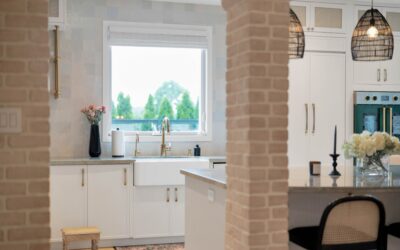
Nothing warms up a kitchen quite like the texture and history of brick. A brick backsplash kitchen trades the sleek uniformity of tile for something earthy, characterful, and full of depth. Whether your style is farmhouse, industrial, or modern with a rustic edge, brick brings instant personality to the space behind your range and counters. This guide covers the material options, the look you can expect, sealing for kitchen use, costs, and how installation works.
Why Choose Brick for a Backsplash
Brick offers something most tile cannot: organic, weathered texture with subtle variation in every piece. That irregularity is the whole point. It reads as authentic and lived-in rather than perfectly machined. Brick pairs beautifully with wood, butcher block, open shelving, and warm metals, and it works across a surprising range of styles. The texture also hides minor imperfections and adds visual warmth that flat tile struggles to match.
Real Brick, Thin Veneer, or Faux Panels
You have three practical paths to a brick backsplash, each with different effort and cost.
- Full brick is rarely used as a backsplash because it is heavy and thick, but reclaimed brick can be used in some renovations for true authenticity
- Thin brick veneer is the most common choice, real fired brick sliced to about 1/2 inch thick so it installs like tile while looking genuine
- Faux brick panels made of polyurethane or PVC mimic the look at the lowest cost and weight, ideal for renters or quick updates
For a permanent kitchen backsplash that looks authentic, thin brick veneer hits the sweet spot of realism and practicality.
Color and Style Options
Brick is far from one-note. The finish you choose sets the entire mood of the kitchen.
- Classic red brick brings traditional warmth and a timeless feel
- Whitewashed or painted brick brightens the space while keeping the texture, popular in farmhouse and cottage kitchens
- Reclaimed and tumbled brick offers a worn, antique character with varied tones
- Gray and charcoal brick suits modern and industrial designs
A German schmear or mortar-washed treatment, where mortar is smeared partly over the brick face, gives an old-world look that has become a designer favorite.
Sealing Is Essential in a Kitchen
Brick is porous, and a kitchen is full of grease, sauce, and moisture. That makes sealing critical. Without a sealer, brick absorbs oil splatters and stains that are nearly impossible to remove, and grout and mortar can harbor grime. After installation, apply a penetrating masonry sealer, and consider a sealer with a slight sheen behind the cooktop where splatter is heaviest. Sealing makes the surface wipeable and protects the porous brick from the daily mess of cooking. Plan to reseal periodically as the protection wears.
What a Brick Backsplash Costs
Cost depends heavily on which material you choose. Thin brick veneer typically runs about $5 to $15 per square foot for the material, plus installation. Faux brick panels are cheaper, often under $5 per square foot, and can be a true DIY project. Reclaimed brick varies widely based on sourcing. Because brick backsplashes are usually modest in area, even the premium veneer option stays affordable compared to a large floor or wall project.
How Installation Works
Thin brick veneer installs much like tile, though the irregular surface requires patience.
- Prep the wall so it is clean, flat, and sound
- Dry-lay a section to plan the spacing and mix bricks from different boxes for natural color variation
- Apply mortar or thinset and press each brick in place, using spacers to keep consistent joints
- Grout the joints with mortar, tooling them to the desired depth and finish
- Clean and seal once the mortar cures, applying the masonry sealer for kitchen protection
Faux panels are far simpler, often adhering with construction adhesive and a few fasteners, which makes them a realistic weekend project.
Cleaning and Maintenance
A sealed brick backsplash is more practical than people expect, but it does ask for a slightly different cleaning routine than smooth tile. The textured surface and mortar joints hold a little more grease and dust, so wipe the area regularly with a damp cloth and a mild degreasing cleaner. Avoid harsh acidic cleaners, which can damage mortar and strip the sealer. For stubborn grease behind the range, a soft brush helps work cleaner into the texture. Reapply the masonry sealer periodically, especially in the heavy-splatter zone, to keep the brick protected and easy to clean. With that maintenance, brick holds up well in a working kitchen.
Design Pairings That Work
Brick reaches its full potential when paired thoughtfully with the rest of the kitchen.
- White or cream cabinets let red or whitewashed brick stand out as a warm focal point
- Wood and butcher block counters echo the organic warmth of the brick
- Open wood shelving reinforces a farmhouse or rustic feel against the texture
- Black metal fixtures and hardware add contrast and a modern-industrial edge
- Warm brass faucets and lighting complement the earthy tones beautifully
Because brick already brings strong texture and color, keeping the surrounding palette relatively simple lets it shine without the space feeling busy.
Is a Brick Backsplash Right for Your Kitchen?
A brick backsplash rewards homeowners who want warmth, texture, and character over crisp uniformity. It suits farmhouse, industrial, and rustic-modern kitchens especially well, and the whitewashed and schmear treatments keep it feeling current. Just commit to sealing it properly, since a kitchen is no place for unprotected porous brick. Do that, and a brick backsplash kitchen delivers a focal point with genuine personality that tile simply cannot replicate.
If you are torn between effort and authenticity, thin brick veneer is the choice most homeowners are glad they made. It installs much like tile, looks genuinely real, and seals into a wipeable, durable surface that stands up to cooking. Faux panels remain a fine option for renters or quick weekend updates where permanence is not the goal. Either way, brick brings a warmth and texture that has staying power, anchoring a kitchen with character that does not fade with the next design trend.