Walk into a corporate office and you’re almost certainly standing on carpet tile; walk into a cozy living room and it’s probably broadloom underfoot. The broadloom vs carpet tile decision isn’t about which carpet is better quality, since both come in every fiber and price range, but about how the carpet is manufactured, installed, and repaired. One arrives on a giant roll for a seamless wall-to-wall look. The other comes in modular squares you can swap out one at a time. Each shines in different rooms, and choosing wrong means either ugly seams or a job that costs more than it should.
What Is Broadloom?
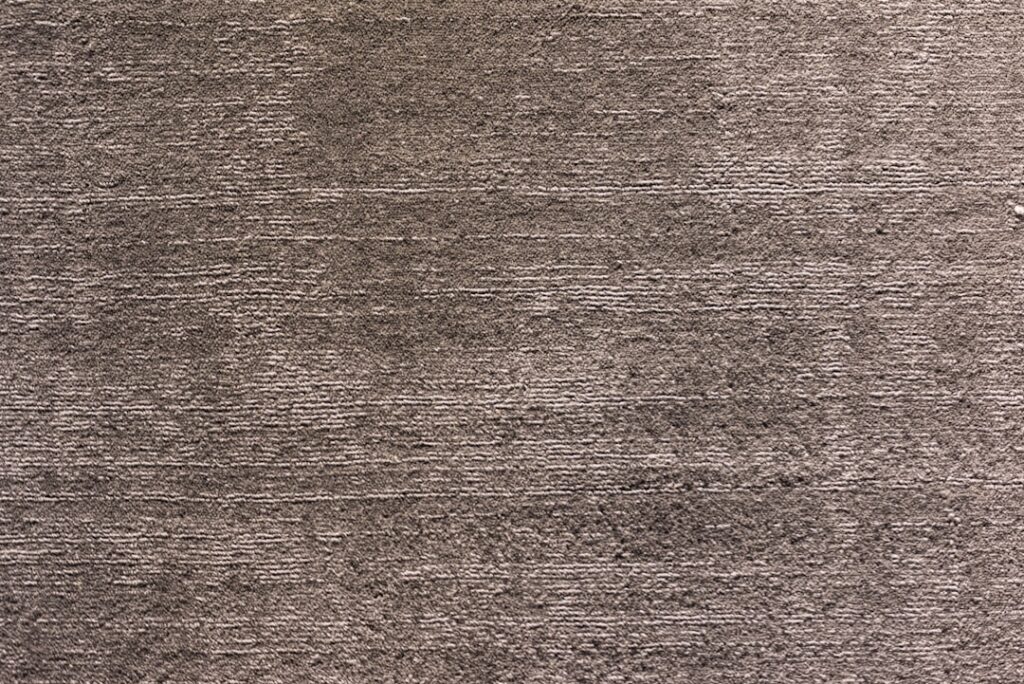
Broadloom is traditional roll carpet, manufactured in wide continuous rolls, most commonly 12 feet across, sometimes 15. The “broad loom” name comes from the wide weaving machines that produce it. Installers roll it out, cut it to fit the room, and secure it over padding using tack strips around the perimeter and seam tape where pieces meet.
The big draw is a smooth, uninterrupted surface. In a room narrower than the roll width, you get true wall-to-wall carpet with no visible joints at all. That seamless, plush look is exactly what most homeowners picture when they think of carpet.
What Is Carpet Tile?
Carpet tile, also called modular carpet or carpet squares, comes in individual sections, typically 18×18 inches, 19.7×19.7 inches, or 24×24 inches. Each tile has a rigid backing and is laid directly on the subfloor, usually with a releasable adhesive or peel-and-stick backing, no separate padding required.
Because the floor is built from interchangeable pieces, carpet tile is the workhorse of offices, schools, and basements. Spill coffee or wear a traffic path bare, and you lift the damaged square and drop in a fresh one without touching the rest of the floor.
Installation Compared
Installation is where these two diverge most. Broadloom is heavy, awkward to maneuver, and demands real skill to stretch tight and seam invisibly. It’s almost always a professional job. Carpet tile, by contrast, is genuinely DIY-friendly.
- Broadloom: Requires a power stretcher, knee kicker, seam iron, and experience. Mistakes show as ripples or visible seams.
- Carpet tile: Cut with a utility knife and straightedge, snap to a chalk-line grid, press down. Minimal tools, low waste.
- Subfloor: Broadloom needs padding underneath; most carpet tile installs directly on a clean, flat, dry subfloor.
- Waste: Broadloom produces more offcut waste, especially in oddly shaped rooms; tile waste is typically far lower.
Durability and Repairs
For longevity in heavy use, carpet tile has a clear edge. Its rigid backing resists crushing, and the modular design means localized damage is a five-minute fix. Buy 5 to 10 percent extra at install and keep the spares; when a tile stains or frays, you replace just that square.
Broadloom is harder to repair invisibly. A burn or permanent stain usually means patching in a piece cut from a closet or a leftover remnant, and the patch can be visible if the carpet has worn or faded. On the other hand, a quality broadloom in a low-traffic bedroom can last 10 to 15 years looking great because there are no seams to fray.
Cost Differences
Pricing overlaps heavily, but the patterns differ. Entry-level broadloom can be cheaper per square foot than entry-level carpet tile, and for a large open room with simple dimensions, broadloom often wins on material cost. Carpet tile tends to cost more per square foot up front but saves on installation labor and on long-term repairs since you replace squares instead of whole rooms.
- Broadloom: Lower material cost in big rectangular rooms; higher install labor; whole-area replacement when worn.
- Carpet tile: Higher material cost; lower or DIY install; cheap spot repairs extend usable life.
For a basement or playroom where spills and stains are inevitable, the replaceability of tile often makes it the cheaper choice over the floor’s lifetime even at a higher sticker price.
Look and Design
Aesthetically, broadloom still owns the luxurious, plush, residential feel. With no grid lines, it reads as one continuous expanse and works beautifully in bedrooms, formal living rooms, and stairs. Carpet tile has narrowed the gap with sophisticated patterns and the ability to mix colors, but on close inspection you can usually spot the grid, especially with solid colors and raking light.
That grid can be an asset, though. Designers use it to create checkerboards, borders, accent paths, and bold geometric layouts that broadloom simply can’t replicate without custom manufacturing.
Which Should You Choose?
Match the format to the room. Choose broadloom for bedrooms, formal spaces, and stairs where a seamless, plush, residential look matters most and traffic is moderate. Choose carpet tile for basements, home offices, playrooms, and any commercial space where spills, heavy traffic, and easy repairs are priorities.
If you want a one-line rule: broadloom for comfort and a continuous look, carpet tile for durability and easy maintenance. Many homes end up using both, soft broadloom in the bedrooms and tough, swappable tile downstairs, which is the most practical answer to the broadloom vs carpet tile question of all.
Maintenance and Cleaning Differences
Day-to-day care differs in ways that matter over a floor’s life. Broadloom traps spills in its padding, so a deep stain can soak through to the cushion and resurface later; serious spills call for prompt blotting and occasionally professional extraction. Because it’s one continuous piece, you clean the whole room at once, which is efficient but means a stubborn stain affects the entire expanse.
Carpet tile shines for spot maintenance. A heavily soiled square can be lifted, cleaned in a sink, or simply replaced. In offices, facilities crews even rotate tiles, moving worn squares from high-traffic doorways to low-traffic corners and bringing fresher tiles forward, evening out wear across the whole floor. That kind of targeted upkeep is impossible with broadloom and is a big reason commercial spaces lean modular.
Sustainability and Indoor Air Quality
If environmental impact factors into your decision, carpet tile generally has the edge. Because you replace individual squares instead of whole rooms, far less material ends up in a landfill over time, and many manufacturers run take-back and recycling programs for used tiles. Broadloom replacement, by contrast, sends an entire room’s worth of carpet and padding to disposal at once.
Both formats are available in low-VOC, low-emission constructions, so look for relevant indoor air quality certifications regardless of which you choose. For households sensitive to allergens, carpet tile’s lack of a separate cushion layer can mean fewer hidden reservoirs for dust and moisture, though regular vacuuming keeps either format healthy.