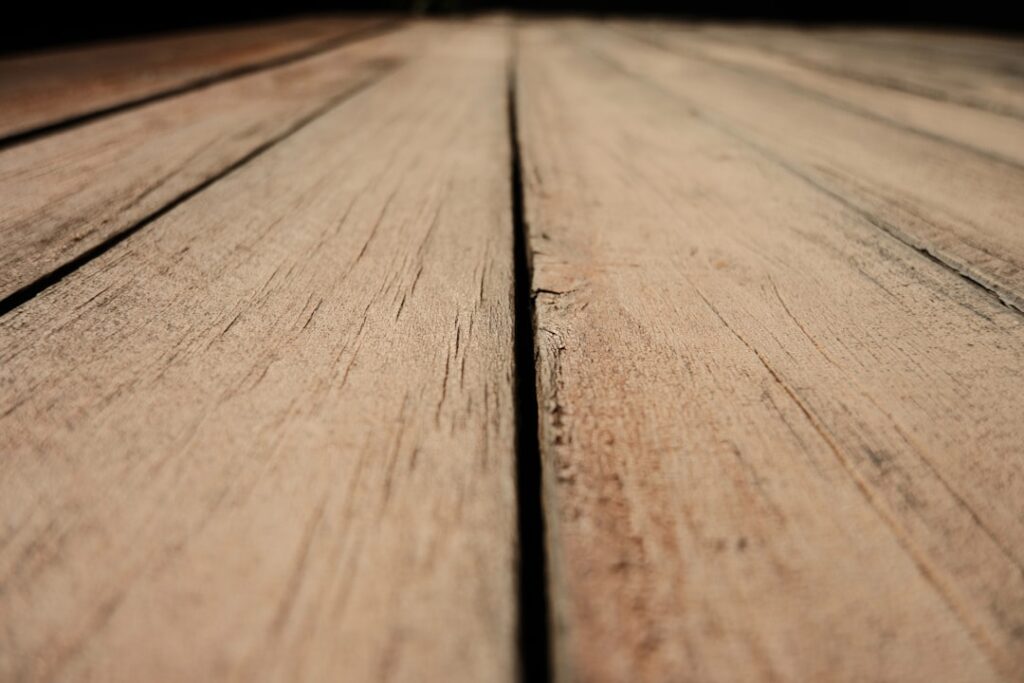
Brown is the color homeowners reach for when they want a deck that looks like natural wood without the endless upkeep, and it is by far the most popular family of shades in the composite world. Brown composite decking spans everything from warm honey tones to deep espresso, offering the rich, timeless look of hardwood with none of the staining, sealing, or splinters. If you are planning a low-maintenance deck and leaning toward a brown palette, this guide covers the shades, brands, costs, and considerations that will help you choose well.
Part of our Decks & Outdoor guide — explore the full guide →
- Why Choose Composite Over Wood
- The Range of Brown Shades
- Heat and Fade Considerations
- Top Brands to Consider
- What Brown Composite Decking Costs
- Installation Tips
- Caring for a Brown Composite Deck
- Is Brown Composite Right for Your Deck?
- Capped vs. Uncapped Composite
- Design Ideas for a Brown Deck
- Composite vs. PVC Decking
Why Choose Composite Over Wood
Composite decking is made from a blend of recycled wood fibers and plastic, usually capped with a durable protective shell. That construction gives it real advantages over traditional pressure-treated lumber or even premium hardwoods:
- Minimal maintenance: No annual staining or sealing; a simple soap-and-water wash keeps it looking fresh.
- Longevity: Quality capped composite carries warranties of 25 to 50 years against fading, staining, and rot.
- No splinters, warping, or rot, making it safer for bare feet and family use.
- Consistent color, since the boards are manufactured rather than pulled from variable natural stock.
The trade-off is a higher upfront price than wood, but the savings on stain, sealer, and labor over the deck’s life often make composite the cheaper option long term.
The Range of Brown Shades
Brown is not a single color, and the shade you pick sets the entire mood of your outdoor space. Composite manufacturers offer browns across a wide spectrum:
- Light and honey browns mimic cedar and oak, keeping a deck bright and casual. They stay cooler in the sun than dark tones.
- Medium browns and chestnut echo classic hardwood and pair with almost any home color, the most versatile choice.
- Rich walnut and mahogany tones add warmth and a touch of red, feeling upscale and traditional.
- Dark espresso and deep brown deliver a modern, dramatic look but absorb more heat underfoot in direct sun.
Many premium lines feature multi-tonal streaking and wire-brushed grain within each board, so a brown deck reads as authentic hardwood rather than a flat, uniform plastic.
Heat and Fade Considerations
Color choice affects comfort. Like any decking, darker browns absorb more solar heat and get warmer on hot, sunny afternoons, which matters if you go barefoot or have pets. If your deck gets intense full-sun exposure, a lighter or medium brown will be more comfortable. On fading, modern capped composites resist UV degradation far better than early-generation products; expect only slight, uniform lightening over the first several months as the boards weather to their final tone, after which quality brands hold their color for decades under warranty.
Top Brands to Consider
Several manufacturers dominate the composite market, and all offer strong brown collections:
- Trex: The best-known name, with brown tones across its Enhance, Select, and premium Transcend and Signature lines.
- TimberTech (AZEK): Known for realistic grain and rich, multi-tonal browns, including capped polymer boards that resist heat better than some composites.
- Fiberon: Competitive pricing with attractive warm-brown options and solid warranties.
- Deckorators: Offers mineral-based composite boards praised for strength and lower heat retention.
Within each brand, higher-tier lines offer more convincing grain, deeper color blends, and longer warranties, so match the line to your budget and how prominent the deck will be.
What Brown Composite Decking Costs
Composite is a premium material, and pricing scales with the product tier. For the boards alone, expect roughly:
- Entry-level capped composite: $4 to $7 per square foot
- Mid-range lines: $7 to $11 per square foot
- Premium multi-tonal boards: $11 to $16 per square foot
Installed, including framing, fasteners, and labor, a full composite deck typically runs $30 to $60 per square foot. For a common 300-square-foot deck, that puts a professionally built composite deck somewhere between $9,000 and $18,000, depending on brand, height, and complexity. Budget for hidden fasteners and matching fascia boards, which add to material costs but produce a cleaner finished look.
Installation Tips
While the deck framing follows standard construction, composite boards have their own best practices:
- Follow the required joist spacing, usually 16 inches on center for standard installation and closer for diagonal or stair applications, since composite is more flexible than wood.
- Use hidden fasteners designed for the board’s grooved edges for a clean, screw-free surface.
- Leave proper gaps between board ends and sides to allow for thermal expansion; composite moves with temperature more than wood.
- Ensure good ventilation and drainage beneath the deck so the boards stay dry and cool.
Because expansion and fastener details are brand-specific, always follow the manufacturer’s installation guide to keep the warranty valid.
Caring for a Brown Composite Deck
The low-maintenance promise is real, but a little care keeps it looking its best. Sweep off leaves and debris regularly, since organic matter left sitting can foster surface mold in shaded, damp spots. Wash the deck a couple of times a year with soap, water, and a soft brush, or a gentle pressure wash on a low setting kept a safe distance from the surface. Wipe up grease from the grill promptly, and use a mat under planters to prevent trapped moisture stains. That is essentially the entire maintenance routine, no sanding, no sealing, no annual staining.
Is Brown Composite Right for Your Deck?
Capped vs. Uncapped Composite
An important distinction when shopping is whether the board is capped or uncapped, and it directly affects how a brown deck holds up. Uncapped composite, the older technology, exposes the wood-plastic core on all sides, which can fade, stain, and absorb moisture over time, sometimes leading to mold in shaded areas. Capped composite wraps the core in a durable polymer shell that seals out water and locks in color, making it far more fade- and stain-resistant. Nearly all quality brown decking sold today is capped, and it is worth confirming, because the price difference is small next to the performance gain. Some premium boards are even capped on all four sides for maximum protection, which matters for the exposed edges of stairs and picture-frame borders. For a deck you expect to look good in a decade, capped is the only choice worth making.
Design Ideas for a Brown Deck
Brown decking gives you a warm, neutral canvas that pairs beautifully with a range of design touches. A popular technique is the picture-frame border, running a contrasting darker or lighter board around the deck perimeter to create a finished, custom look and hide the cut ends of the field boards. Mixing two complementary brown tones, a lighter field with a rich espresso border or inlay, adds visual interest without clashing. Black aluminum or cable railings create a modern contrast against warm brown boards, while matching composite railings keep the look seamless and traditional. Consider the direction you run the boards to visually widen or lengthen the space, and add built-in benches, planters, or a pergola in a coordinating tone to turn a simple deck into a true outdoor room. These details cost a little more but dramatically elevate the finished result.
Composite vs. PVC Decking
As you shop brown decking, you will encounter both composite and pure PVC boards, and the difference is worth understanding. Composite blends wood fibers with plastic, giving it a natural feel and weight along with an attractive price, though the wood content means it retains slightly more heat and a bit more moisture than all-plastic boards. PVC decking contains no wood at all, making it the lightest, most moisture- and stain-resistant, and often the coolest underfoot, but it typically costs more and can feel a touch less natural. For most homeowners, capped composite in a brown tone offers the best balance of realistic looks, durability, and value. PVC is worth the premium in extreme conditions, such as poolside decks, docks, or very humid climates, where its total imperviousness to water pays off. Comparing warranties and touching sample boards in person helps you decide which suits your project and budget.
If you want the warm, natural look of wood with dramatically less upkeep and a deck that will look good for decades, brown composite decking is one of the best choices on the market. Pick a shade that suits your home and sun exposure, lighter browns for hot, sunny yards and richer tones for shaded or upscale settings, and choose a brand and line that fit your budget and warranty needs. Pair the right boards with proper installation and minimal care, and you will enjoy a beautiful, worry-free outdoor living space that pays back its premium price in time and comfort for years to come.