Flooring a whole house one box at a time from a big-box store is one of the most expensive ways to buy real wood. Bulk hardwood flooring changes that math, often shaving 20 to 40 percent off the per-square-foot price when you buy by the pallet instead of the carton. The savings are real, but so are the pitfalls: dye-lot mismatches, leftover overage, and the cost of having no recourse if a few boards arrive damaged. Buying in bulk pays off handsomely when you know what to check before you sign.
- What Counts as Buying in Bulk
- How Much You Can Actually Save
- The Risks of Buying in Bulk
- Calculating How Much to Order
- Where to Source Bulk Hardwood
- Inspecting a Bulk Shipment on Delivery
- Understanding Grades and What You Are Buying
- Engineered Versus Solid for Bulk Buys
- Is Bulk Hardwood Flooring Right for You
What Counts as Buying in Bulk
Bulk typically means purchasing a full pallet or several pallets at once, often 500 to 1,500 square feet or more in a single order. Wholesalers, flooring liquidators, and direct importers sell at these volumes because they move product fast and skip the retail markup.
The bigger the order, the deeper the discount. A homeowner flooring a 2,000-square-foot house can sometimes negotiate close to contractor pricing, while a single 200-square-foot room rarely qualifies for meaningful bulk rates. Volume is the lever that unlocks the price break.
How Much You Can Actually Save
Retail solid oak flooring commonly runs $5 to $9 per square foot. The same wood bought in bulk from a wholesaler or liquidator might land between $3 and $6. On a 1,500-square-foot job, that gap can mean $3,000 to $6,000 kept in your pocket.
- Builder-grade oak or maple: Often $3 to $5 per sq ft in bulk versus $6 to $8 retail.
- Engineered hardwood: $3.50 to $7 per sq ft in volume, depending on wear-layer thickness.
- Exotic species (Brazilian cherry, acacia): $5 to $9 in bulk, well below boutique retail pricing.
Closeout and discontinued lots offer the steepest discounts, sometimes 50 percent or more, but quantities are fixed and you cannot reorder later.
The Risks of Buying in Bulk
The savings come with strings attached. The biggest is the dye lot, or run number. Wood milled in different batches can vary noticeably in color and grain, so every box in your order must share the same lot number or your floor will look patchy.
Returns are another concern. Many bulk and liquidation sellers consider sales final, so you carry the risk of defects. Inspect a sample carton before committing, and budget for a small percentage of unusable boards that you simply cut around.
Calculating How Much to Order
Order too little and you risk a second purchase from a mismatched lot. Order too much and you tie up cash in planks you will never install. The standard approach is to measure your square footage, then add waste.
- Standard rooms with straight runs: add 7 to 10 percent for cuts and waste.
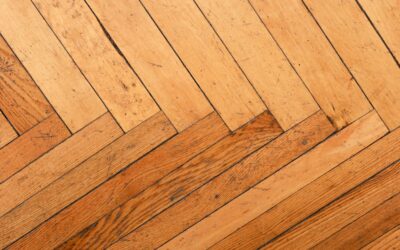
- Diagonal or herringbone layouts: add 15 to 20 percent.
- Always keep one extra box from the same lot for future repairs.
That repair box is worth more than its price. Trying to patch a damaged plank five years later with a new dye lot almost never looks right.
Where to Source Bulk Hardwood
Several channels sell at volume. Flooring liquidators carry overstock and discontinued lines at aggressive prices. Direct importers and wholesale distributors sell by the pallet, sometimes requiring a business account. Regional flooring outlets often move surplus from large commercial jobs.
Whatever the source, confirm the species, grade, finish, and milling tolerances in writing. A vague listing of “oak flooring” tells you nothing about whether it is select grade or a knotty rustic grade, and the two look and price very differently.
Inspecting a Bulk Shipment on Delivery
Pallets shipped by freight can take a beating in transit. When the truck arrives, open several boxes from different parts of the pallet before signing the delivery receipt. Note any crushed corners, water damage, or warped boards on the paperwork immediately, because claims are far harder to win after you sign.
Let the wood acclimate in the installation room for 3 to 5 days before laying it. Solid hardwood expands and contracts with humidity, and skipping acclimation is a leading cause of gapping and buckling, no matter how good the deal was.
Understanding Grades and What You Are Buying
Bulk listings often use grade terms that dramatically affect appearance and price, and misreading them is an easy mistake. Select and better grades have minimal knots and uniform color, while common and rustic grades show more knots, color variation, and character. Neither is defective; they simply look very different on the floor.
Before committing to a large lot, confirm exactly which grade you are buying and request photos of actual boards rather than staged marketing shots. A rustic-grade floor bought expecting clean select-grade wood will be a disappointment no matter how good the price was, so clarity up front prevents an expensive surprise.
Engineered Versus Solid for Bulk Buys
Both solid and engineered hardwood sell well in bulk, and the right choice depends on where the floor is going. Solid hardwood can be refinished many times and suits stable, ground-level living areas. Engineered hardwood handles humidity and basements better thanks to its plywood core, and it often ships in click-lock formats that speed installation.
When comparing engineered options in bulk, pay close attention to the wear-layer thickness, which ranges from about 1 to 6 millimeters. A thicker wear layer costs more but can be sanded and refinished, while a thin wear layer cannot. For a large-volume purchase, that single spec makes a big difference in long-term value.
Is Bulk Hardwood Flooring Right for You
Bulk buying rewards large projects, patient shoppers, and anyone comfortable handling minor logistics. If you are flooring an entire home, a rental property, or several rooms at once, the per-square-foot savings easily justify the extra diligence. For a single small room, retail cartons with easy returns may serve you better. Either way, buying bulk hardwood flooring intelligently means checking lot numbers, ordering the right overage, and inspecting every shipment the moment it lands.
Prefer to explore on your own?
See how new flooring looks in your actual room in seconds — free, no signup.
Try the free Floor Studio →