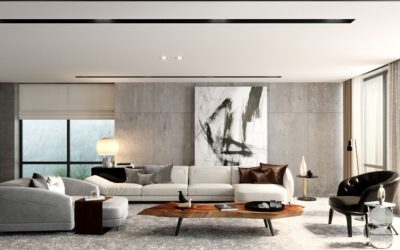
Gray hardwood floors have moved from a bold design trend to a mainstream staple. The cool, contemporary tones of gray wood pair naturally with modern, farmhouse, coastal, and Scandinavian interior styles. Whether you want authentic gray-stained hardwood, wire-brushed gray engineered planks, or the affordable gray look from LVP or laminate, this guide covers every way to get gray wood floors in your home.
Why Gray Wood Floors Are Popular
Gray sits at the intersection of warm and cool tones, making it one of the most versatile floor colors available. Unlike the golden oak that dominated homes for decades, gray wood creates a neutral backdrop that works with virtually any wall color, furniture style, and decor palette.
Gray floors hide dust and small debris better than very dark or very light floors. They show less pet hair than dark espresso tones and fewer scuff marks than white-washed wood. For households with kids and pets, gray is one of the most practical hardwood colors from a day-to-day living perspective.
Gray wood also photographs well, which has contributed to its popularity in real estate listings and social media. Homes with gray floors tend to feel larger, brighter, and more contemporary in photos, which can positively influence resale perception.
Gray Stained Hardwood
Staining existing or new hardwood floors gray is the most traditional approach. Gray stain is applied to raw wood, penetrating the grain to create depth and natural variation. The result depends heavily on the wood species, the specific stain product, and the application technique.
How gray stain works: Gray wood stains are typically water-based formulations that combine pigments to create a gray tone without the heavy amber cast of oil-based stains. Some gray stains are true gray, while others lean warm (greige) or cool (blue-gray). The stain is applied to sanded, raw wood, allowed to penetrate, and then wiped to the desired intensity before sealing with a clear topcoat.
Popular gray stain products include Bona DTS mixed with gray dye for a consistent, controlled gray; Rubio Monocoat in shades like Gris Belge, Charcoal, and Castle Brown for a matte, European-style finish; and DuraSeal in Classic Gray or a custom mix of Classic Gray and Ebony for varying depth. Minwax Classic Gray is widely available for DIY projects but can appear blotchy on some species without a wood conditioner.
The staining process requires sanding the floor down to bare wood (80-grit, 100-grit, then 120-grit progression), applying a pre-stain conditioner if using certain stain types, applying the gray stain evenly, and finishing with two to three coats of water-based polyurethane. Oil-based polyurethane should be avoided over gray stain because the amber tone of oil-based finish turns gray into a muddy greenish color over time.
Wire-Brushed Gray Hardwood
Wire-brushed gray floors feature a textured surface where the softer wood fibers have been brushed away, leaving the harder grain ridges raised. This creates a tactile, lived-in texture that adds visual depth to gray tones. The texture catches light differently across the plank, producing subtle variations that flat-sanded gray floors cannot match.
Wire-brushing is done at the factory on engineered and solid hardwood planks. The process is combined with gray staining or fuming to produce the final color. Factory wire-brushed gray floors are available from brands like Hallmark, Provenza, and Anderson Tuftex in a range of gray shades from pale driftwood to deep charcoal.
The textured surface of wire-brushed floors has a practical benefit: it hides minor scratches and wear better than smooth-finished floors. The existing texture camouflages small imperfections that would be obvious on a flat, high-gloss surface. This makes wire-brushed gray an excellent choice for high-traffic areas and homes with pets.
Gray-Washed and Whitewashed Gray
Gray-washing is a technique that applies a diluted gray or white-gray finish over the wood, allowing the natural grain to show through more prominently than a full gray stain. The result is lighter, airier, and more organic than a heavy gray stain. Gray-washed floors evoke coastal and Scandinavian design styles.
To achieve a gray-washed look, the wood is typically stained with a diluted gray or white wash, sometimes mixed from white paint thinned with water and combined with a small amount of gray stain. The mixture is brushed on, allowed to sit briefly, and wiped back to reveal the grain. Multiple coats build up the gray tone gradually.
Alternatively, factory-finished gray-washed floors are available from several manufacturers. These products apply the wash during manufacturing for a consistent, predictable result. Brands like Provenza and European-style flooring companies offer gray-washed white oak and ash in prefinished planks.
Best Wood Species for Gray Floors
Not every wood species takes gray stain equally well. The grain pattern, natural color, and porosity of the wood all influence the final appearance.
White Oak
White oak is the best domestic species for gray staining. Its tight, consistent grain absorbs stain evenly without the blotchiness that plagues other species. White oak’s neutral base color (no strong pink or yellow undertones) allows the gray to read as a true, clean gray. The natural tannin content of white oak also enables reactive staining techniques (fuming with ammonia or applying iron-based solutions) that produce unique, natural gray tones without traditional stain.
Maple
Maple accepts gray stain for a clean, contemporary look, but it can be challenging. Maple’s dense, closed grain does not absorb stain as readily as oak, which can lead to an uneven, blotchy appearance if the stain is not applied carefully. Using a pre-stain conditioner and a water-based gray stain on maple produces the best results. When done well, gray maple floors have a smooth, refined appearance that works beautifully in modern interiors.
Ash
Ash has a pronounced, straight grain pattern similar to oak and takes gray stain well. The strong grain creates visual interest in gray tones, with the grain lines appearing darker against the lighter gray background. Ash is a hard, durable species (Janka hardness 1,320) that holds up to residential traffic. European ash is particularly popular in Scandinavian-inspired gray floors.
Red Oak
Red oak is the most widely installed hardwood in American homes, but its pink and salmon undertones make achieving a clean gray more challenging. Gray stain over red oak often reads as a pinkish gray or mauve tone rather than a true neutral gray. If you are staining existing red oak floors gray, test several stain combinations to find one that counteracts the pink. Mixing a small amount of green or blue pigment into the gray stain can help neutralize red oak’s warm undertones.
Gray LVP Alternatives
Luxury vinyl plank (LVP) in gray wood tones offers the gray hardwood look at a fraction of the cost with added benefits like waterproof performance and easier maintenance. Gray is one of the most popular LVP color categories, and the selection is vast.
Realistic gray LVP from brands like COREtec, Shaw Floorte, and LifeProof features embossed-in-register textures that align with the printed grain pattern. The best products are difficult to distinguish from real wood at a glance. Gray LVP is available in shades from pale greige to deep weathered gray, in widths from 6 to 9 inches, and in both SPC and WPC constructions.
Cost advantage: Gray LVP costs $3 to $7 per square foot installed, compared to $8 to $15+ per square foot for gray-stained solid hardwood (including sanding and finishing). For large areas or budget-conscious projects, LVP delivers the gray wood aesthetic at 40 to 60 percent less cost.
Performance advantage: LVP is fully waterproof, making gray wood looks possible in kitchens, bathrooms, basements, and laundry rooms where real hardwood carries risk. Gray LVP in a bathroom creates the same warm, contemporary feel as gray hardwood without the moisture concerns.
Gray Laminate Alternatives
Gray laminate flooring provides another affordable path to the gray wood look. Modern laminate uses high-resolution printing on a melamine surface to replicate wood grain, and gray tones are among the best-selling laminate colors.
Top gray laminate options come from Pergo, Mohawk RevWood, and Quick-Step. These products offer realistic wood visuals with embossed textures, AC3 to AC5 durability ratings, and click-lock installation. Pricing runs $1.50 to $4 per square foot for materials, making laminate the most budget-friendly gray wood floor option.
The main limitation of gray laminate compared to LVP is water resistance. While many modern laminates feature water-resistant cores and sealed edges, they are not fully waterproof and should not be used in bathrooms or areas with standing water risk. For dry living spaces, bedrooms, and hallways, gray laminate is a practical and attractive choice.
Designing with Gray Wood Floors
Gray floors serve as a neutral foundation that pairs with a wide range of design elements. Here are the most popular combinations.
White walls and gray floors create a clean, Scandinavian-inspired space that feels open and fresh. This pairing is simple but effective, especially in smaller rooms where the light color palette makes the space feel larger.
Navy, charcoal, or black accents with gray floors add depth and drama. Dark furniture, cabinetry, or accent walls against gray floors create a sophisticated, moody interior. This works particularly well in living rooms and master bedrooms.
Warm metallics like brass, gold, and copper hardware and fixtures warm up a gray-floored space without introducing competing wood tones. The contrast between cool gray and warm metal creates a balanced, curated look.
White and light wood cabinetry in kitchens paired with gray floors is one of the most popular current kitchen design combinations. The gray floor grounds the space while white cabinets keep it bright and open.
Greenery and natural textures like plants, linen, jute, and rattan bring warmth and life to gray-floored rooms. The organic textures prevent the space from feeling cold or sterile.
Maintaining Gray Wood Floors
Gray hardwood requires the same maintenance as any hardwood floor: regular sweeping or vacuuming, occasional damp mopping with a hardwood cleaner, and protection from scratches with felt pads and doormats. The clear topcoat over the gray stain is what you are actually maintaining, and it performs identically to clear coats over any other stain color.
One consideration specific to gray floors is the finish type. Water-based polyurethane is essential for maintaining the true gray tone. Oil-based polyurethane yellows over time, which turns a carefully selected gray into an unintended green-gray or khaki tone. If your gray floors were finished with water-based poly originally, use water-based products for any future maintenance coats or refinishing.
For more hardwood flooring options, staining advice, and species guides, visit our hardwood flooring guide.
Prefer to explore on your own?
See how new flooring looks in your actual room in seconds — free, no signup.
Try the free Floor Studio →