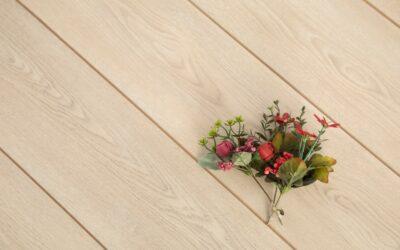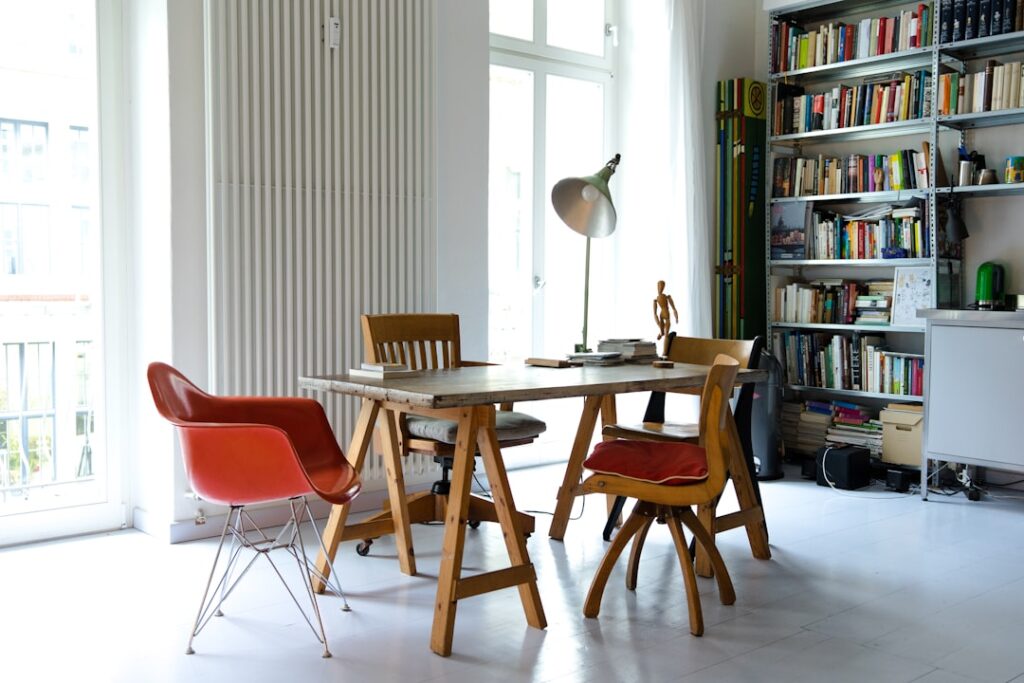
The fastest way to make a small or dim room feel twice as large is to replace dark flooring with a pale, grain-forward surface that bounces light around the space. White wash flooring takes that approach further than flat painted floors by letting the wood grain or wood-look pattern read through a translucent white finish. After installing it across coastal homes, Scandinavian-inspired remodels, and modern farmhouses, I have a clear sense of which products deliver the look and which yellow within a year.
- What White Wash Flooring Actually Means
- True White Washed Hardwood Options
- White Wash LVP and Laminate
- Concrete and Tile White Wash Options
- Pros of White Wash Flooring
- Cons and Real Drawbacks
- Cost Per Square Foot Comparison
- Color Selection That Reads Right
- Installation and Finishing Tips
- Maintenance for Long Service Life
What White Wash Flooring Actually Means
The term covers three distinct product categories. True white-washed solid or engineered hardwood, where a pigmented finish is applied to real wood and the grain reads through. White wash printed LVP and laminate, where the visual is photo-realistically printed under a clear wear layer. White-painted concrete or porcelain tile, where the color is integral to the material rather than applied as a finish.
Each one delivers a slightly different look. True white-washed wood develops natural patina and slight color variation over years. Printed LVP and laminate stay visually consistent over the life of the floor. Tile and concrete deliver a permanent integrated color that never fades or yellows.
True White Washed Hardwood Options
Site-finished white-washed wood requires a pickling stain or pigmented oil applied to bare or lightly sanded planks. Bona Pure with white tint, Rubio Monocoat in Pure White, and Pall-X Gold Lime White are the products I trust for this finish. Material runs $4 to $9 per sq ft for the planks, plus $4 to $7 for installation, and another $2 to $4 per sq ft for sand and finish work.
Factory pre-finished white-washed engineered wood from brands like Lauzon Hydra, Mirage Sweet Memories, and Karndean Knight Tile costs $6 to $14 per sq ft for the planks alone. Pre-finished products use UV-cured aluminum oxide topcoats that hold the white tint without yellowing for 25 to 30 years.
White Wash LVP and Laminate
The fastest and cheapest way to achieve the look is printed LVP or laminate with a white wash visual. CALI Vinyl Coastal series, Karndean Korlok Coastal, Pergo Outlast Whitewashed Oak, and Mohawk RevWood Cottage all deliver convincing white-washed wood prints for $2.50 to $5 per sq ft.
The trade-off is that the visual is a photograph under plastic, not real wood. Printed white wash floors look excellent at first glance but read as vinyl in close-up. EIR texture helps; the embossed grain that aligns with the printed pattern adds tactile realism that flat-print products lack. Always specify EIR for white wash visuals.
Concrete and Tile White Wash Options
Polished concrete with white pigment integral to the slab delivers a permanent white wash floor at $5 to $10 per sq ft for new construction or $4 to $7 per sq ft as an overlay on existing slab. The look is contemporary and industrial, working well in modern homes and commercial spaces.
White-toned porcelain plank in wood-look patterns at $3 to $7 per sq ft delivers the visual with full waterproof performance. Brands like Daltile Saddlebrook White, Florida Tile Craft White, and Marazzi Ash White offer 6-by-36 or 9-by-48 plank formats that lay just like wood.
Pros of White Wash Flooring
- Brightens dark rooms: Reflects 60 to 75 percent of incoming light versus 15 to 25 for dark floors
- Coastal and Scandinavian aesthetic: Reads as airy, calm, and intentional
- Hides pet hair: Light hair from white and tan dogs blends in
- Photographs beautifully: Bounces light in real estate listings and home decor photos
- Pairs with most furniture: Works with wood, metal, fabric, and stone equally well
Cons and Real Drawbacks
Dark hair shows on every surface. Black dogs, dark cats, and human hair from brunettes are visible the moment they shed. White wash flooring reads cleaner overall but reveals every fiber, crumb, and dirt mark in close range.
Real wood white wash floors yellow over years if the finish is not chosen carefully. Oil-based polyurethane topcoats yellow noticeably within 5 to 10 years. Always specify water-based or UV-cured aluminum oxide finishes to keep the white tone stable for the life of the floor.
Foot traffic patterns show. High-use paths develop visible darkening within 2 to 4 years on real wood. Felt pads on furniture, area rugs at entries, and a no-shoes household policy can extend the clean look significantly.
Cost Per Square Foot Comparison
Plan on $4.50 to $9 per sq ft installed for printed white wash LVP and laminate. Pre-finished engineered white-washed wood lands at $10 to $20 per sq ft installed. Site-finished solid hardwood with custom white wash finish runs $14 to $25 per sq ft turnkey. Polished concrete and porcelain plank options sit between $9 and $17 per sq ft installed.
For a 500 sq ft living room and dining area, that puts the budget anywhere from $2,250 for printed LVP to $12,500 for site-finished white-washed solid hardwood. Most modern remodels I quote for white wash flooring land around $5,500 turnkey for engineered or premium LVP.
Color Selection That Reads Right
The mistake most homeowners make is picking the brightest, whitest sample in the store. Pure white reads as cold and clinical in real rooms. Look for white wash products with subtle warm undertones; pale beige, creamy white, and soft gray-white tones all photograph and live better than pure cool white.
Sample two or three options at home. Tape down 4 to 6 sq ft samples, view them at morning, midday, and evening lighting, and check how they read against your trim and furniture. Manufacturer photos cannot replace this step; lighting and surrounding colors change the apparent tone significantly.
Installation and Finishing Tips
For site-finished real wood, sand to 100 grit, vacuum thoroughly, apply the pickling stain or pigmented oil per the manufacturer’s directions, and seal with a non-yellowing topcoat. Two coats of finish minimum, three for high-traffic rooms.
For pre-finished products and LVP, follow the standard install practices: acclimate 48 hours, prep the subfloor flat to 1/8 inch over 6 feet, and leave proper expansion gaps. The light color makes any installation flaw more visible than darker floors, so take extra time on subfloor prep and joint alignment.
Maintenance for Long Service Life
Daily care is a soft broom or microfiber dust mop to remove dark hair and grit before they grind into the surface. Weekly damp mopping with a pH-neutral cleaner like Bona Hardwood Floor Cleaner keeps the white tone clean. Spot-treat scuffs immediately with a Magic Eraser or wood-floor cleaner before they set into the finish.
Refresh the topcoat on real wood every 7 to 10 years to keep the white tone stable and the surface protected. Done right, white wash flooring delivers a bright, modern look that holds up beautifully for two to three decades and never goes out of style.
Prefer to explore on your own?
See how new flooring looks in your actual room in seconds — free, no signup.
Try the free Floor Studio →