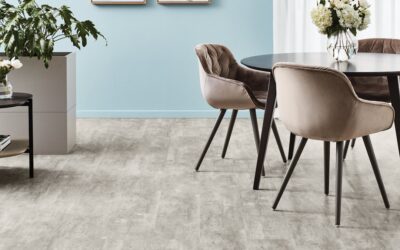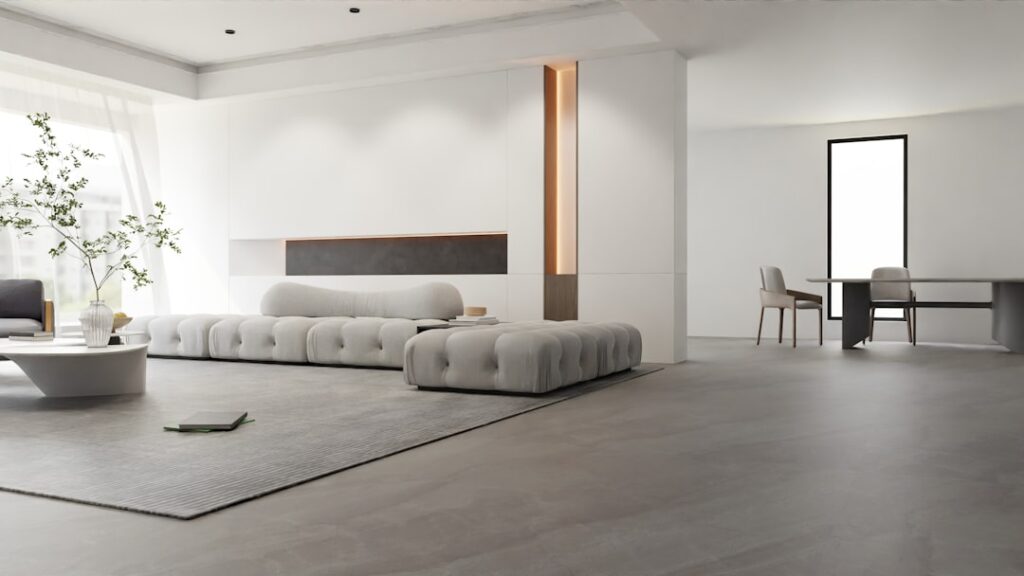
Nothing opens up a room quite like a pale floor, and white LVP, luxury vinyl plank in whitewashed, bleached, and soft gray-white tones, has become one of the fastest-growing looks in modern homes. It brings the airy, Scandinavian, coastal, and farmhouse aesthetics to life while delivering the waterproof toughness that makes vinyl plank so practical. But a white floor is also a commitment; it shows things a walnut floor would hide, and choosing the right product and finish makes the difference between a floor that stays crisp and one that looks perpetually dirty. This guide covers the real pros and cons, cleaning demands, and what to look for when you buy.
Why White LVP Is So Popular
The appeal starts with light. Pale flooring reflects natural and artificial light around a room, making small spaces feel larger and dark rooms feel brighter. White and whitewashed planks pair effortlessly with the neutral palettes dominating current interior design, and they let bold furniture, rugs, and art take center stage against a clean backdrop. Because it is luxury vinyl plank, white LVP delivers this look while being fully waterproof, comfortable and warm underfoot, and far more forgiving of moisture than real white-oak hardwood, which is why it works in kitchens, bathrooms, and basements where wood cannot go.
The look also spans styles. A heavily grained whitewashed oak plank reads coastal or farmhouse, a smooth matte white-gray plank leans contemporary and minimalist, and a limed or bleached wood visual suits transitional interiors. There is a white LVP for nearly any design direction.
The Real Pros
- Brightens and enlarges spaces: pale tones reflect light and make rooms feel bigger and more open
- Waterproof and durable: a quality wear layer resists spills, scratches, and dents in busy households
- Hides less dust than dark floors: light-colored dust, lint, and pet hair blend in rather than standing out
- Design flexibility: works with coastal, farmhouse, Scandinavian, and modern schemes
- DIY-friendly: most white LVP uses a click-lock floating installation over a flat subfloor
The Honest Cons
The trade-offs are real and worth understanding before you commit. While light floors hide dust better than dark floors, they show dark debris, mud, dark pet hair, coffee splashes, and scuff marks more readily. A busy entryway or a home with a muddy dog will need more frequent cleaning to keep a white floor looking its best. Very glossy white planks also show footprints and smudges, which is why a matte or low-sheen finish is almost always the smarter choice for a pale floor.
There is also a quality dimension. Cheaper white LVP can look flat and plasticky, and low-grade products may yellow slightly with heavy UV exposure over years. Spending a little more on a reputable brand with realistic embossing and a UV-stable finish avoids both problems.
Cleaning and Maintenance Demands
A white floor rewards a simple, consistent routine. Sweep or dry-dust-mop daily or every other day to stay ahead of dark debris, since grit is what actually scratches a wear layer over time. Damp-mop weekly with a pH-neutral vinyl floor cleaner; avoid harsh chemicals, abrasive pads, and steam mops, which can damage the plank surface and seams. Place walk-off mats at every exterior door to catch mud and grit before it reaches the floor, and use felt pads under furniture legs to prevent scuffs. On a matte white plank, the occasional scuff mark usually wipes away with a melamine sponge or a dab of vinyl cleaner.
What to Look For When Buying
A few specs separate a white LVP floor that lasts from one that disappoints. Prioritize a thick wear layer; 12 mil is a reasonable minimum for a residential floor and 20 mil or more suits high-traffic homes and pets. Choose a rigid core construction, SPC or stone-plastic composite, for the best dent resistance and stability, especially over imperfect subfloors. Insist on a matte or low-gloss finish to hide footprints, and look at several planks together to judge how realistic and varied the whitewashed grain is. Reputable lines from brands like COREtec, Shaw, Mohawk, and Pergo offer white and whitewashed visuals with the durability and UV stability worth paying for.
Expect to pay roughly $2.50 to $5.50 per square foot for quality white LVP, with professional installation adding another $1.50 to $4 per square foot if you are not doing it yourself.
Installation Considerations
Most white LVP installs as a floating floor using a click-lock, tongue-and-groove system that snaps together over an underlayment without glue or nails, which is a big part of why it is so popular with DIYers. The critical prep step is a flat subfloor; rigid-core SPC planks tolerate minor imperfections, but any dip greater than about 3/16 inch over 10 feet should be filled with leveling compound first, or the seams can flex and separate over time. Acclimate the planks in the room for 48 hours before installing so they adjust to your home’s temperature and humidity, and leave the manufacturer’s specified expansion gap, usually around 1/4 inch, around the perimeter so the floor can move seasonally without buckling.
In large open runs and rooms with heavy sun exposure through big windows, follow the maker’s guidance on expansion joints and UV precautions, since some floors need transition breaks in very long spans. Because white and whitewashed tones can be sensitive to lighting, buy a sample and view it in your actual room at different times of day before ordering the full quantity.
Is White LVP Right for Your Home?
White LVP is an outstanding choice if you love a bright, airy, modern look and are willing to sweep a little more often to keep dark debris at bay. It shines in coastal, farmhouse, and contemporary homes, in rooms you want to feel larger, and anywhere you need waterproof performance that real pale hardwood cannot deliver. Buy a rigid-core plank with a thick wear layer and a matte finish, put down entry mats, and keep a light cleaning routine, and a white vinyl floor will stay crisp, bright, and beautiful for many years.
Prefer to explore on your own?
See how new flooring looks in your actual room in seconds — free, no signup.
Try the free Floor Studio →