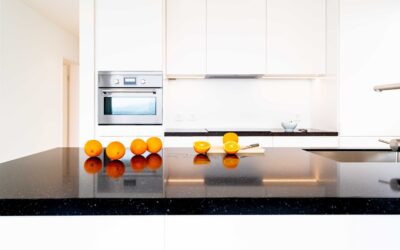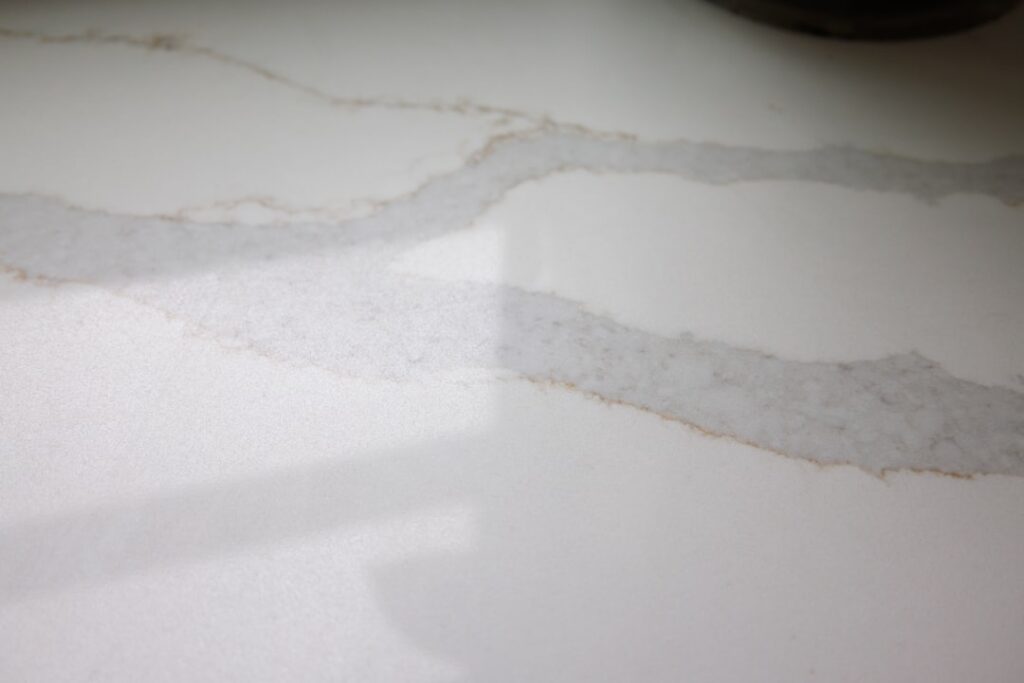
White remains the most requested countertop color year after year, and for good reason, but the material you choose to achieve that white matters far more than most homeowners realize. A white countertop brightens a kitchen, reflects light, makes a small space feel larger, and pairs with virtually any cabinet, backsplash, and hardware. The look is timeless. The performance, however, ranges from nearly bulletproof to high-maintenance depending on whether that white surface is quartz, marble, granite, or something else entirely. Picking the wrong material for how you actually cook and clean is the single biggest reason people regret a white counter.
Part of our Countertops guide — explore the full guide →
Why White Countertops Stay Popular
White is the safest design choice in the kitchen because it works with everything. It complements white, gray, navy, green, and natural wood cabinets, and it never clashes with a backsplash or flooring change down the road. That flexibility protects your investment, since a neutral counter outlasts trends and appeals to future buyers.
White also transforms how a space feels. It bounces natural and artificial light around the room, opening up small or dim kitchens dramatically. The clean, bright look reads as fresh and modern in a contemporary kitchen and as classic and airy in a traditional one, which is why white keeps topping designer surveys regardless of which way trends swing.
The Material Choices for White Countertops
White is a color, not a material, and the same shade behaves completely differently depending on what it is made of. These are the main options.
- Quartz (engineered stone) — Man-made from ground stone and resin, nonporous, stain-resistant, and consistent in color. The most popular white counter today.
- Marble — Natural stone with stunning veining, but soft, porous, and prone to etching and staining.
- Granite — Natural stone in white and cream varieties, very hard and heat-resistant, though it requires sealing.
- Solid surface and laminate — Budget-friendly white options, easy to clean, with seamless or printed looks at a fraction of the cost.
Most white kitchens today land on quartz for its blend of looks and low maintenance, but each material suits a different priority and budget.
White Quartz: The Low-Maintenance Favorite
Engineered quartz dominates the white countertop market because it solves the biggest problem with white surfaces: keeping them clean. Quartz is nonporous, so it never needs sealing and resists staining from wine, coffee, and oil far better than natural stone. Many white quartz patterns mimic the soft veining of marble, giving you the high-end look without the upkeep.
Quartz is also hard and durable, standing up to daily chopping, scrubbing, and impact. Its main weakness is heat: the resin binder can scorch or discolor if you set a hot pan directly on it, so trivets are a must. White quartz runs roughly $50 to $120 per square foot installed, with marble-look designer patterns at the higher end. For families who want a bright white kitchen without babying it, quartz is usually the answer.
White Marble: Beautiful but Demanding
Nothing matches the natural elegance of real white marble, with its soft gray veining that no engineered product perfectly replicates. That beauty comes with genuine trade-offs. Marble is soft and porous, which means it scratches, stains, and etches easily. Etching, the dull spots left when acidic foods like lemon, vinegar, or wine touch the surface, is the most common complaint and happens even on a sealed counter.
Marble demands prompt spill cleanup, regular sealing, and a tolerance for developing a patina over time, since most marble counters acquire subtle marks with use. Some homeowners love that lived-in character; others find it stressful. Marble runs about $60 to $150 per square foot installed and up. Choose it if you adore the look and accept that it will age, not if you want a surface that stays factory-perfect.
Keeping a White Countertop Clean
White shows everything, so daily habits matter regardless of material. For all white counters, wipe spills promptly and clean daily with warm water and mild dish soap or the cleaner recommended for your specific surface. Avoid harsh abrasives that can scratch or dull the finish.
For quartz, skip strong solvents and never use abrasive pads, and clean stubborn marks with a non-abrasive surface cleaner. For marble and granite, use only pH-neutral stone cleaners and absolutely avoid acidic products like vinegar and lemon, which etch and dull the stone. Use cutting boards, set hot items on trivets, and blot rather than smear fresh spills. A white counter that is wiped down nightly stays bright; one that is neglected develops a grimy film that is hard to reverse.
Cost Comparison and Budgeting
Price varies widely across white countertop materials, so it pays to know the ranges before you shop. Laminate is the budget champion at roughly $15 to $40 per square foot installed. Solid surface lands around $40 to $80. White quartz runs $50 to $120, white granite $40 to $100, and white marble $60 to $150 and beyond for premium slabs.
For a typical kitchen with 40 to 50 square feet of counter, that means a white laminate job might cost under $1,500 while a marble or high-end quartz kitchen can climb past $5,000. Remember to factor in fabrication, edge profiles, sink cutouts, and the number of seams, which all add to the bottom line. Get an itemized quote on your actual chosen material rather than relying on a single per-foot figure.
Choosing the Right White for Your Kitchen
Start with how you use the kitchen. If you cook constantly, have kids, and want a counter you never have to worry about, white quartz delivers the look with the least maintenance. If you crave the unmatched beauty of natural marble and accept its patina, marble rewards careful owners with timeless elegance. On a tight budget, modern laminate and solid surface offer a clean white look for a fraction of the price. Also consider the shade: bright pure whites read crisp and modern, while creamy and warm whites feel softer and hide everyday smudges a little better. Bring home large samples, view them under your own lighting, and match the white to both your style and your real-life cooking habits, and the result will brighten your kitchen for years to come.