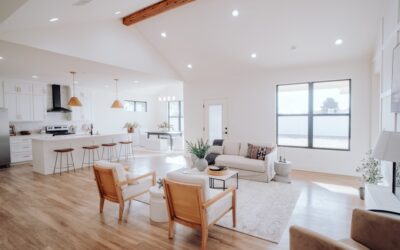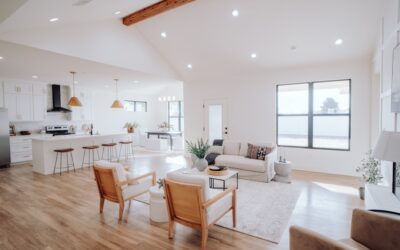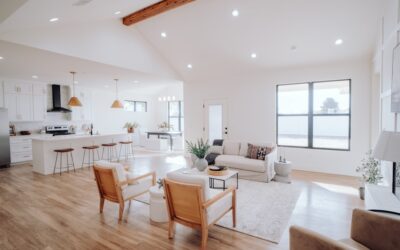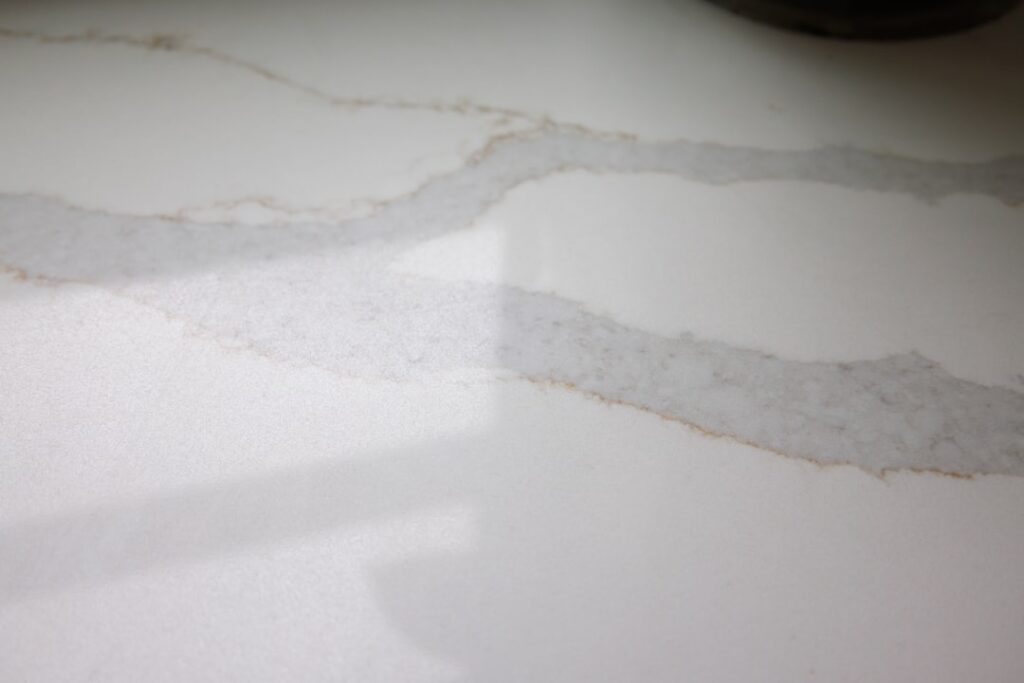
White quartz countertops have become the single most popular countertop choice in American kitchens, and for good reason. They deliver the timeless elegance of natural white marble—the sweeping veins, the luminous surface, the effortless sense of luxury—without any of the sealing, staining, or etching anxieties that come with a porous stone. In a market saturated with countertop options, white quartz has claimed the top spot because it offers something no other material can match: beauty that requires almost no maintenance.
But not all white quartz is created equal. Dozens of brands compete for attention, each offering their own proprietary blends, vein patterns, and finish options. Prices swing from $50 to well over $120 per installed square foot depending on the manufacturer, the complexity of the pattern, and the edge profile you choose. Choosing the right white quartz slab means understanding the differences between brands, knowing which patterns suit your design vision, and budgeting realistically for the full scope of fabrication and installation.
- Why White Quartz Is the #1 Countertop Choice
- What Is Quartz (Engineered Stone)?
- Top White Quartz Brands
- Popular White Quartz Colors and Patterns
- White Quartz Countertop Cost
- Top White Quartz Options by Brand: Comparison Table
- White Quartz vs White Marble
- White Quartz vs Quartzite
- Pros and Cons of White Quartz Countertops
- Maintenance and Daily Care
- Edge Profile Options
- Backsplash Pairing Ideas
- Kitchen Design Ideas with White Quartz
- Frequently Asked Questions About White Quartz Countertops
- Final Verdict: Are White Quartz Countertops Right for You?
This guide covers everything you need to know about white quartz countertops—from the top brands and most popular colors to installed cost, comparisons against marble and quartzite, pros and cons, edge profiles, backsplash pairings, and kitchen design ideas. Whether you are renovating a full kitchen or simply replacing worn countertops, you will find the information you need to make a confident, well-informed decision. For guidance on coordinating your surfaces, our kitchen flooring guide is a valuable companion read.
Why White Quartz Is the #1 Countertop Choice
Walk through any newly renovated kitchen in 2026 and there is a strong chance you will see a white quartz countertop. The material has dominated countertop sales for several years running, and its market share continues to grow. Several factors explain this dominance:
- Universal design compatibility. White countertops work with virtually every cabinet color, backsplash material, and flooring style. Whether your kitchen is modern, transitional, farmhouse, or coastal, a white quartz surface anchors the design without competing with other elements.
- The marble look without marble problems. Calacatta and Carrara marble have been aspirational kitchen surfaces for centuries. White quartz delivers that same aesthetic—soft grey veining on a bright white ground—without the etching, staining, and annual sealing that marble demands.
- Zero porosity. Engineered quartz is non-porous by nature. Coffee, wine, lemon juice, and olive oil sit harmlessly on the surface until you wipe them away. There is no penetration, no staining, and no need for sealers.
- Consistency. Unlike natural stone, where every slab is unique and you must hand-select your specific piece, quartz patterns are repeatable. If you love a particular Calacatta-look design, you can order as many slabs as you need and they will match.
- Bright, reflective surface. White countertops bounce light around a kitchen, making spaces feel larger, cleaner, and more open—a critical advantage in smaller kitchens and apartments.
- Resale value. Real estate agents consistently report that white quartz countertops are among the most desirable features for homebuyers. They photograph well, appeal to broad tastes, and signal a modern, updated kitchen.
What Is Quartz (Engineered Stone)?
Before diving into brands and colors, it is important to understand what quartz countertops actually are. Quartz countertops are engineered surfaces manufactured by combining approximately 90 to 94 percent ground natural quartz crystals with 6 to 10 percent polymer resins, pigments, and binding agents. The mixture is compressed under intense vibration and pressure, then cured at high temperatures to produce dense, non-porous slabs.
The engineering process is what gives quartz its key advantages over natural stone: the resin binders fill every microscopic gap between the quartz particles, eliminating porosity entirely. The pigments and vein patterns are introduced during manufacturing, allowing designers to create surfaces that closely mimic Calacatta marble, Carrara marble, concrete, and other natural materials—often with startling realism.
Quartz should not be confused with quartzite, which is a completely different material. Quartzite is a natural metamorphic rock that is quarried, not manufactured. It requires sealing, behaves differently under heat, and has a unique character in every slab. Quartz is a factory-produced product with engineered consistency.
Top White Quartz Brands
The white quartz market is led by five major manufacturers, each with distinct strengths, price points, and signature patterns. Here is what you need to know about each brand before you start shopping.
Caesarstone
Caesarstone is widely regarded as the brand that popularized engineered quartz countertops in North America. Based in Israel with manufacturing facilities worldwide, Caesarstone offers a refined portfolio of white quartz designs that emphasize realistic veining and sophisticated color palettes. Their Calacatta-inspired lines—including Calacatta Maximus and Empira White—are among the most convincing marble alternatives on the market. Caesarstone slabs are known for their consistent quality, and the brand backs its products with a lifetime residential warranty. Expect to pay $55 to $100 per square foot installed for most Caesarstone whites.
Silestone by Cosentino
Silestone, manufactured by the Spanish company Cosentino, is the world’s leading quartz surface brand by market share. Silestone distinguishes itself with its proprietary HybriQ+ technology, which incorporates recycled materials and uses 99 percent recycled water in manufacturing. Their white quartz lineup includes the popular Calacatta Gold, Ethereal Glow, and Classic White designs. Silestone also offers a built-in antimicrobial protection using silver ion technology. Installed prices typically range from $50 to $95 per square foot.
Cambria
Cambria is the only major quartz manufacturer that produces entirely in the United States, with its factory based in Le Sueur, Minnesota. This American-made distinction appeals to homeowners who prioritize domestic manufacturing and shorter supply chains. Cambria’s white quartz designs are known for their bold, dramatic veining—particularly their Brittanicca and Ironsbridge patterns, which feature thick, sweeping veins that closely resemble high-end Italian marble. Cambria is positioned as a premium brand, with installed prices ranging from $70 to $120 per square foot.
MSI (MS International)
MSI offers one of the broadest and most budget-friendly white quartz selections on the market. Their Q Premium Natural Quartz line includes dozens of white options, from the clean simplicity of Arctic White to the marble-inspired Calacatta Classique and Calacatta Laza. MSI quartz is widely available through big-box retailers and independent stone dealers alike, making it an accessible choice for homeowners working with tighter budgets. Installed prices typically range from $50 to $85 per square foot.
Viatera by LG Hausys
Viatera is manufactured by LG Hausys, the building materials division of the LG corporation. The brand has steadily gained market share with competitively priced quartz surfaces that do not sacrifice design quality. Their white quartz portfolio includes Minuet (a best-selling Calacatta-look design with warm grey and gold veining), Rococo, and Clarino. Viatera offers a lifetime limited warranty and strong availability through major home improvement retailers. Installed prices range from $50 to $90 per square foot.
[CTA: Get a free estimate for white quartz countertop installation in your area]
Popular White Quartz Colors and Patterns
White quartz is not a single look. The category spans a wide spectrum of patterns, vein styles, and background tones. Understanding these categories will help you narrow your search and communicate clearly with fabricators and designers.
Calacatta-Look Quartz
Calacatta-look quartz is the most sought-after style in the white quartz market. It mimics Italian Calacatta marble with bold, dramatic veins in grey, gold, or warm taupe set against a bright white background. The veining tends to be thick, sweeping, and organic—creating a sense of movement and luxury across the slab. Top options include Cambria Brittanicca, Caesarstone Calacatta Maximus, Silestone Calacatta Gold, and MSI Calacatta Classique.
Marble-Look (Carrara-Style) Quartz
Carrara-style quartz features softer, more diffuse veining than Calacatta designs. The veins are thinner, more subtle, and distributed more evenly across the slab, creating a quieter, more understated elegance. The background may lean slightly warmer or cooler depending on the manufacturer. This style works beautifully in transitional and traditional kitchens. Popular options include Viatera Minuet, Caesarstone Empira White, and MSI Carrara Marmi.
Pure White Quartz
Pure white quartz features little to no veining—just a clean, uniform white surface, sometimes with a fine-grained speckle pattern visible at close range. This minimalist look is ideal for ultra-modern kitchens, commercial spaces, and homeowners who prefer an uninterrupted visual plane. It also pairs well with busy backsplash patterns or statement flooring, since it does not compete for visual attention. Options include Silestone Classic White, Caesarstone Pure White, and MSI Arctic White.
Veined White Quartz
Beyond Calacatta and Carrara styles, many manufacturers now offer white quartz with dramatic, high-contrast veining that does not attempt to replicate a specific natural stone. These designs use bolder color combinations—charcoal veins on bright white, warm bronze streaks, or layered grey movement—to create a contemporary, artistic look. Cambria Ironsbridge and Caesarstone Statuario Maximus are leading examples of this trend.
White Quartz Countertop Cost
The cost of white quartz countertops varies based on brand, pattern complexity, edge profile, and your geographic market. Here is what to expect in 2026:
| Cost Category | Price Range (per sq ft installed) | Notes |
|---|---|---|
| Budget white quartz | $50 – $65 | Basic whites, simple edge; MSI, Viatera entry-level |
| Mid-range white quartz | $65 – $90 | Marble-look designs; Caesarstone, Silestone, Viatera premium |
| Premium white quartz | $90 – $120 | Bold Calacatta designs; Cambria, Caesarstone top-tier |
| Average kitchen (30 sq ft) | $1,500 – $3,600 total | Including fabrication, cutouts, and standard installation |
Several factors influence where your project falls within these ranges:
- Edge profile. A basic eased or beveled edge is typically included in the base price. Upgraded profiles like ogee, bullnose, or waterfall edges add $10 to $30 per linear foot.
- Sink and cooktop cutouts. Each cutout typically adds $100 to $200 to the fabrication cost.
- Backsplash. A 4-inch quartz backsplash adds $15 to $30 per linear foot. A full-height quartz backsplash can add significantly more.
- Removal and disposal. Removing old countertops typically costs $150 to $400 depending on the material and layout.
- Geographic market. Installation costs vary significantly by region. Urban markets and areas with high labor costs tend to fall at the upper end of all ranges.
Top White Quartz Options by Brand: Comparison Table
| Brand | Popular White Design | Style | Price Range (installed/sq ft) | Warranty |
|---|---|---|---|---|
| Caesarstone | Calacatta Maximus | Bold Calacatta veining | $70 – $100 | Lifetime residential |
| Caesarstone | Empira White | Soft marble-look | $60 – $90 | Lifetime residential |
| Silestone | Calacatta Gold | Warm Calacatta veining | $60 – $95 | 25-year limited |
| Silestone | Classic White | Pure white, minimal | $50 – $75 | 25-year limited |
| Cambria | Brittanicca | Dramatic veining | $85 – $120 | Lifetime limited |
| Cambria | Ironsbridge | Bold contemporary veining | $80 – $115 | Lifetime limited |
| MSI | Calacatta Classique | Classic Calacatta | $55 – $80 | Lifetime residential |
| MSI | Arctic White | Pure white, clean | $50 – $70 | Lifetime residential |
| Viatera | Minuet | Carrara-style, warm veining | $55 – $85 | Lifetime limited |
| Viatera | Rococo | Soft white with grey | $50 – $80 | Lifetime limited |
White Quartz vs White Marble
The comparison between white quartz and white marble is the most common question homeowners ask when shopping for white countertops. Both materials produce a similar visual result, but their day-to-day performance could not be more different.
Marble is a natural stone that rates between 3 and 5 on the Mohs hardness scale. It is porous, which means it absorbs liquids and stains without consistent sealing. More critically, marble etches—acidic substances like lemon juice, vinegar, and tomato sauce leave dull marks on the polished surface that cannot be wiped away. Etching is not a stain; it is physical damage to the stone’s surface, and it will happen in any kitchen where marble countertops are actively used.
White quartz, by contrast, does not etch, does not stain, and never needs sealing. It is harder than marble (approximately 6 to 7 on the Mohs scale), more resistant to scratching, and virtually impervious to the acidic foods and beverages that torment marble surfaces daily.
Marble does have its advantages. Its natural depth, translucency, and cool-to-the-touch surface are difficult to replicate perfectly in engineered stone. Marble is also more heat resistant than quartz, since it contains no resin binders that can scorch. And for homeowners who value the patina and character that develops on a well-used marble surface over decades, no engineered product can substitute for the real thing.
For most homeowners, however, white quartz is the more practical choice. It delivers 90 percent of marble’s visual appeal with a fraction of the maintenance commitment.
White Quartz vs Quartzite
White quartzite—varieties like White Macaubas, Taj Mahal, and Mont Blanc—is the natural stone alternative for homeowners who want a genuine, earth-formed surface with marble-like veining. Quartzite is harder than quartz (7 on the Mohs scale vs 6 to 7 for quartz) and handles heat significantly better, since it contains no resin binders. You can place a hot pan directly on quartzite without risk; quartz surfaces can scorch or discolor under extreme heat.
However, quartzite is porous and requires periodic sealing—typically once every one to two years. It is also more expensive than most white quartz options, with premium white quartzite running $80 to $150 per installed square foot. And because quartzite is a natural material, each slab is unique; you must visit a stone yard and hand-select your specific slabs to ensure the veining, color, and movement match your expectations.
White quartz wins on convenience, consistency, and lower maintenance. White quartzite wins on heat resistance, natural authenticity, and the one-of-a-kind character that only a real stone slab can deliver.
Pros and Cons of White Quartz Countertops
A balanced assessment of white quartz requires acknowledging both its strengths and its limitations. No countertop material is perfect, and quartz is no exception.
Advantages
- Non-porous surface. White quartz does not absorb liquids. Coffee, wine, grape juice, and cooking oils wipe away completely with no risk of permanent staining.
- No sealing required. Unlike marble, granite, and quartzite, quartz never needs to be sealed—not at installation, not ever. This eliminates an ongoing maintenance task and its associated costs.
- Scratch resistant. Quartz rates 6 to 7 on the Mohs hardness scale. It resists scratching from everyday kitchen use, though cutting directly on the surface is still not recommended (it will dull your knives).
- Consistent appearance. Because quartz is engineered, you can order multiple slabs that match perfectly. This is a significant advantage for large kitchens or projects with islands and perimeter counters that need visual continuity.
- Etch-proof. Acidic foods and beverages that would immediately damage marble leave no mark on quartz surfaces.
- Wide range of designs. From pure white to dramatic Calacatta veining, the design options are extensive and continuously expanding.
- Hygienic. The non-porous surface does not harbor bacteria, making quartz an excellent choice for kitchens and bathrooms.
Disadvantages
- Heat sensitivity. This is the most significant limitation of quartz countertops. The polymer resins used in manufacturing can scorch, discolor, or crack when exposed to extreme heat. Always use trivets or hot pads under pots, pans, and baking sheets removed directly from the oven or stove.
- Not entirely natural. Homeowners who value the authenticity and one-of-a-kind character of natural stone may find quartz’s engineered consistency less appealing.
- UV sensitivity. Prolonged exposure to direct sunlight can cause some quartz colors (particularly whites) to yellow slightly over time. This is primarily a concern for outdoor applications or countertops positioned beneath skylights.
- Visible seams. On larger countertop layouts, seams between slabs can be noticeable—especially on designs with bold veining patterns where matching the vein direction across a seam is challenging.
- Repair difficulty. While quartz is durable, chips and cracks are difficult to repair invisibly. Significant damage typically requires slab replacement rather than patching.
Maintenance and Daily Care
One of the greatest advantages of white quartz countertops is their minimal maintenance routine. Here is everything you need to know about keeping them looking pristine:
- Daily cleaning. Wipe surfaces with a soft cloth or sponge, warm water, and a mild dish soap. That is all most situations require.
- Stubborn stains. For dried food, adhesive residue, or stubborn marks, apply a non-abrasive household cleaner (such as Bar Keepers Friend Soft Cleanser) and let it sit for a few minutes before wiping away.
- Avoid harsh chemicals. Do not use bleach, oven cleaners, or highly alkaline or acidic cleaners. These will not stain the quartz, but they can break down the resin binders over time and dull the finish.
- Always use trivets. Never place hot pots, pans, or baking sheets directly on quartz. Heat damage is the most common cause of quartz countertop problems and is not covered under most warranties.
- Use cutting boards. While quartz resists scratching, cutting directly on the surface will dull your knives and can leave faint marks over time.
- Wipe spills promptly. Although quartz is non-porous, certain substances (like permanent markers or strong dyes) can leave surface-level discoloration if left sitting for extended periods.
Edge Profile Options
The edge profile you choose for your white quartz countertops affects both the aesthetic and the cost of your project. Here are the most common options:
- Eased (straight) edge. A clean, squared-off edge with slightly softened corners. This is the most popular choice for modern and contemporary kitchens, and it is usually included in the base fabrication price.
- Beveled edge. A small angled cut along the top edge. It adds a subtle shadow line and a touch of formality without adding cost.
- Bullnose (half or full). A rounded edge that creates a softer, more traditional look. Half-bullnose rounds just the top; full bullnose rounds both top and bottom. Typically adds $10 to $20 per linear foot.
- Ogee edge. An S-shaped profile that reads as classic and elegant. Ogee edges are common in traditional kitchens and add $15 to $25 per linear foot.
- Mitered edge. Two pieces are joined at a 45-degree angle to create the appearance of a thicker slab—typically 3 inches or more. Mitered edges are popular for waterfall islands and add $25 to $40 per linear foot due to the additional fabrication work.
- Waterfall edge. The countertop continues vertically down the side of the island or cabinet to the floor. This dramatic, modern detail showcases veining patterns beautifully but adds significant material and labor costs.
Backsplash Pairing Ideas
White quartz countertops are one of the most versatile surfaces to pair with a backsplash because their neutral foundation allows a wide range of materials, colors, and patterns to work harmoniously.
- White subway tile. The classic combination. A white ceramic or porcelain subway tile backsplash creates a clean, timeless look that lets the countertop veining take center stage.
- Quartz backsplash (matching). Extending the same quartz material up the wall creates a seamless, monolithic look that is particularly striking with Calacatta-look designs. This option works best in modern and minimalist kitchens.
- Natural stone mosaic. Marble mosaics (herringbone, basketweave, or hexagonal patterns) in white and grey tones complement marble-look quartz countertops beautifully. Our marble guide covers natural stone selections in greater detail.
- Bold patterned tile. Because white quartz is visually quiet, it can anchor a kitchen that features a bold, patterned backsplash—Moroccan zellige, hand-painted ceramic, or geometric cement tile all work well.
- Dark contrast. Charcoal, navy, or black backsplash tiles paired with white quartz countertops create a high-contrast look that feels dramatic and contemporary.
[CTA: Schedule a consultation with a certified quartz countertop installer near you]
Kitchen Design Ideas with White Quartz
White quartz countertops serve as a design foundation that supports a wide range of kitchen styles. Here are five proven combinations:
Modern White Kitchen
Pair pure white quartz with flat-panel white cabinets, a white quartz backsplash, and light-toned hardwood or kitchen flooring in a pale grey. The result is a bright, airy space where clean lines and material simplicity define the aesthetic. Integrated sinks and waterfall island edges amplify the modern effect.
Transitional Calacatta Kitchen
Combine a bold Calacatta-look quartz (like Cambria Brittanicca) with Shaker-style cabinets in white or soft grey, brushed gold hardware, and a classic subway tile backsplash. This approach balances traditional warmth with contemporary polish—a look that appeals to the broadest range of tastes and resists going out of style.
Dark Cabinet Contrast
White quartz countertops paired with deep navy, forest green, or charcoal cabinets create one of the most striking kitchen combinations available. The white surface prevents the dark cabinetry from feeling heavy, while the dark cabinets give the white quartz a dramatic stage on which to shine.
Farmhouse Warm White
Choose a marble-look quartz with warm undertones (subtle gold or taupe veining), pair it with cream or antique white cabinets, a farmhouse sink, and wide-plank wood flooring. Open shelving, matte black hardware, and shiplap accents complete the inviting, lived-in warmth.
Contemporary Island Statement
Use a heavily veined white quartz for a large waterfall island that becomes the visual centerpiece of an otherwise restrained kitchen. Keep perimeter counters in a simpler, complementary surface, and let the island’s dramatic veining do all the talking.
Frequently Asked Questions About White Quartz Countertops
Do white quartz countertops stain easily?
No. White quartz is non-porous, which means it does not absorb liquids. Common kitchen staining agents like coffee, wine, and turmeric wipe away cleanly without penetrating the surface. However, certain strong dyes or chemicals (such as permanent markers or harsh cleaning agents) can sometimes leave surface-level discoloration if left in contact with the quartz for extended periods. For daily kitchen use, staining is not a practical concern.
Can you put hot pans on white quartz countertops?
No. This is the single most important care rule for quartz countertops. The polymer resin binders in quartz can scorch, discolor, or crack when exposed to temperatures above approximately 300 degrees Fahrenheit. Always use a trivet or hot pad under pots, pans, baking sheets, and slow cookers. Heat damage is typically not covered under manufacturer warranties.
How much do white quartz countertops cost?
White quartz countertops typically cost between $50 and $120 per square foot installed, depending on the brand, pattern, edge profile, and geographic market. Budget-friendly options from MSI and Viatera start around $50 per square foot, while premium Calacatta-look designs from Cambria can reach $120 per square foot. For an average kitchen with 30 square feet of countertop space, expect a total investment of approximately $1,500 to $3,600.
Does white quartz yellow over time?
White quartz can yellow slightly with prolonged, direct exposure to UV light over many years. This is most commonly an issue near large south-facing windows, under skylights, or in outdoor applications (which most manufacturers explicitly advise against). In a typical indoor kitchen with normal light exposure, yellowing is not a significant concern. Choosing a quartz product with UV-resistant technology (available from some manufacturers) provides additional protection.
Is white quartz better than white marble for kitchen countertops?
For most homeowners, yes. White quartz delivers a similar aesthetic to white marble while requiring dramatically less maintenance. It does not etch from acidic foods, does not stain, and never needs sealing. Marble, however, has an organic depth and cool-to-the-touch quality that quartz cannot fully replicate, and marble handles heat better than quartz. If you are willing to accept the maintenance commitment and the inevitability of patina, marble has a natural beauty that no engineered product can match. If you want a beautiful white surface that performs reliably with minimal care, quartz is the better choice.
Final Verdict: Are White Quartz Countertops Right for You?
White quartz countertops have earned their position as the most popular countertop choice in American kitchens for a simple reason: they deliver beauty without compromise. They give you the marble look that generations of homeowners have coveted, paired with a non-porous, no-seal, stain-resistant surface that performs reliably for decades with nothing more than a daily wipe-down.
The trade-offs are manageable but real. Heat sensitivity demands the consistent use of trivets. UV exposure can cause subtle yellowing in certain conditions. And if you value the authentic, one-of-a-kind character of natural stone, quartz’s engineered consistency may feel too perfect. For those homeowners, quartzite countertops or marble remain compelling natural alternatives.
But for the vast majority of kitchens and homeowners, white quartz is an outstanding investment. The combination of striking visual appeal, practical durability, low maintenance, and strong resale value makes it exceptionally difficult to beat. Choose your brand carefully, select a vein pattern that complements your design vision, coordinate your kitchen flooring and backsplash thoughtfully, and you will have a countertop surface that looks as good in ten years as it does the day it is installed.