White vinyl flooring has surged in popularity as homeowners embrace bright, airy interiors that make rooms feel larger, cleaner, and more contemporary. Modern white vinyl planks and tiles are a far cry from the cheap white sheet vinyl of decades past — today’s options feature realistic wood grain, stone, and marble textures with wear layers that resist scratches, stains, and daily abuse.
In this guide, we’ll explore every white vinyl flooring option available in 2026, from budget sheet vinyl to premium luxury vinyl plank (LVP), and help you choose the right white floor for your home.
- Table of Contents
- Types of White Vinyl Flooring
- Popular White Vinyl Styles & Looks
- Pros & Cons of White Vinyl Flooring
- Best Rooms for White Vinyl Flooring
- White Vinyl Flooring Costs in 2026
- Installation Methods
- White Vinyl vs Other White Flooring
- Cleaning & Maintenance
- Buying Tips
- Frequently Asked Questions
Types of White Vinyl Flooring
White vinyl flooring comes in three main formats. Each has different characteristics, price points, and installation methods.
| Type | Format | Thickness | Installation | Price Range (per sq ft) | Best For |
|---|---|---|---|---|---|
| Sheet vinyl | Rolls (6 or 12 ft wide) | 1.5–4mm | Glue down or loose lay | $0.50 – $3.00 | Budget projects, moisture-prone areas |
| Luxury vinyl tile (LVT) | Square tiles (12×12″, 18×18″) | 2–5mm | Click-lock, glue down, or peel-and-stick | $2.00 – $6.00 | Stone/marble looks, bathrooms, kitchens |
| Luxury vinyl plank (LVP) | Planks (6×48″, 7×48″, 9×60″) | 4–8mm | Click-lock floating | $2.50 – $7.00 | Wood looks, living areas, whole-home |
Sheet Vinyl
Sheet vinyl is the most affordable option and comes in wide rolls that cover large areas with minimal seams. White sheet vinyl is available in a range of patterns including marble, ceramic tile, and solid white. It’s flexible, waterproof, and easy to maintain, making it ideal for bathrooms, laundry rooms, and utility spaces.
Luxury Vinyl Tile (LVT)
LVT comes in square tile formats that replicate the look of natural stone, marble, ceramic, and concrete. White LVT in marble patterns is particularly popular in 2026, offering the elegance of Carrara marble at a fraction of the cost. Individual tiles make installation manageable and allow creative patterns.
Luxury Vinyl Plank (LVP)
LVP mimics the appearance of hardwood flooring in a long plank format. White-washed, bleached oak, and whitened maple designs deliver the light, Scandinavian aesthetic that’s hugely popular in 2026. Rigid core (SPC) construction adds stability and can be installed over slightly uneven subfloors.
Popular White Vinyl Styles & Looks
White Oak / Whitewashed Wood
The most popular white vinyl flooring style in 2026. These planks feature subtle wood grain texture and tonal variation in creamy whites, pale greys, and soft beige undertones. They deliver the coveted Scandinavian or coastal aesthetic while being completely waterproof and scratch-resistant.
White Marble
Carrara, Calacatta, and Statuario marble looks in vinyl tile format offer stunning luxury without the cost, maintenance, and cold underfoot feel of real marble. Modern printing technology creates remarkably realistic veining patterns. Perfect for bathrooms, foyers, and covered porches.
Bright White / Pure White
Solid or near-solid white vinyl creates a crisp, ultra-modern look. Best suited for contemporary and minimalist interiors, bathrooms, and commercial spaces. This style shows dirt more easily than textured whites and works best in low-traffic areas or spaces that are cleaned frequently.
White Hexagon Tile
Hexagonal vinyl tiles in white create a trendy, geometric look that suits modern bathrooms and kitchens. Often available with contrasting grout lines for visual definition. Peel-and-stick hexagon tiles are a popular DIY option.
White Herringbone
Herringbone-patterned white vinyl planks combine the elegance of a traditional parquet pattern with a bright, contemporary colour. Available in both pre-set pattern panels and individual planks that you assemble into the herringbone layout.
Pros & Cons of White Vinyl Flooring
Pros
- Makes rooms look larger: White floors reflect light and create the illusion of more space — ideal for small rooms, apartments, and basements
- Versatile style: Complements virtually any decor style from Scandinavian to coastal to modern farmhouse
- Waterproof: Vinyl is inherently waterproof, making white vinyl suitable for bathrooms, kitchens, and laundry rooms
- Affordable luxury: Achieve the look of white marble, bleached hardwood, or white tile at a fraction of the cost
- Comfortable underfoot: Softer and warmer than tile, stone, or real hardwood
- Easy maintenance: Regular sweeping and mopping keeps white vinyl looking its best
- DIY-friendly: Click-lock LVP installs without adhesive, nails, or professional tools
Cons
- Shows dirt & dust: Light-coloured floors reveal dirt, hair, and debris more than dark floors — expect to sweep more often
- Potential for discolouration: Cheap white vinyl may yellow over time from UV exposure, rubber-backed mats, or chemical reactions
- Scuff marks: Dark-soled shoes can leave visible scuff marks on white floors (easily removed with a melamine sponge)
- Not real wood or stone: Despite improvements, some people can tell the difference on close inspection
- Doesn’t add home value like hardwood: White vinyl is viewed as a mid-range flooring option by home buyers
Best Rooms for White Vinyl Flooring
| Room | Suitability | Recommended Type | Notes |
|---|---|---|---|
| Bathroom | Excellent | LVT (marble look) or sheet vinyl | Fully waterproof, warm underfoot |
| Kitchen | Very good | LVP or LVT | Easy to clean, comfortable for standing |
| Living room | Very good | LVP (white oak/whitewash) | Creates bright, spacious feel |
| Bedroom | Good | LVP (white oak) | Softer than tile, add an area rug for warmth |
| Laundry room | Excellent | Sheet vinyl or LVT | Budget-friendly, waterproof |
| Entryway | Moderate | LVT (stone look) with thick wear layer | Shows dirt — choose textured finishes |
| Basement | Good | LVP (SPC rigid core) | Moisture-resistant, brightens dark spaces |
White Vinyl Flooring Costs in 2026
| Type | Material (per sq ft) | Installation (per sq ft) | Total Installed (per sq ft) |
|---|---|---|---|
| Sheet vinyl (basic) | $0.50 – $1.50 | $1.00 – $2.00 | $1.50 – $3.50 |
| Sheet vinyl (premium) | $1.50 – $3.00 | $1.00 – $2.00 | $2.50 – $5.00 |
| LVT (glue down) | $2.00 – $4.50 | $1.50 – $3.00 | $3.50 – $7.50 |
| LVT (peel-and-stick) | $1.50 – $3.50 | DIY or $1.00 – $2.00 | $1.50 – $5.50 |
| LVP (click-lock) | $2.50 – $5.50 | $1.50 – $3.00 | $4.00 – $8.50 |
| LVP (rigid core/SPC) | $3.00 – $7.00 | $1.50 – $3.00 | $4.50 – $10.00 |
For a 200-square-foot room, expect total installed costs between $300 (basic sheet vinyl) and $2,000 (premium rigid core LVP). Most homeowners choosing mid-range white LVP will pay $1,000–$1,500 for a 200-square-foot room. Compare these costs with our carpet installation cost guide to help decide between flooring options.
Installation Methods
Click-Lock Floating (LVP & LVT)
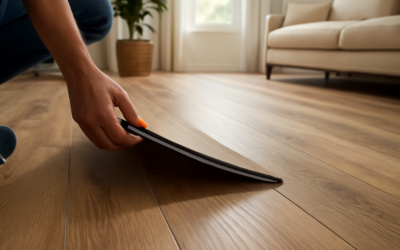
The most popular DIY-friendly method. Planks or tiles snap together at the edges and float over the subfloor without adhesive. Leave a 1/4-inch expansion gap at all walls. This method works over concrete, plywood, yellow tongue particleboard, and even existing tile or laminate if the surface is flat.
Glue Down
LVT tiles and some planks are designed to be adhered directly to the subfloor using pressure-sensitive or full-spread adhesive. This creates a very stable, permanent installation. Recommended for commercial applications and areas with heavy traffic or rolling loads.
Peel-and-Stick
Budget-friendly tiles with pre-applied adhesive backing. Simply peel and press into place. Best for low-traffic areas, temporary installations, and rental properties. The adhesive may weaken over time, especially in humid environments.
Loose Lay
Some premium vinyl products are designed to be laid without any adhesive, relying on weight, friction backing, and perimeter pressure to stay in place. This is the easiest installation method and allows for simple replacement of individual pieces.
Installation Tips for White Vinyl
- Acclimate the flooring: Let the vinyl sit in the room for 48 hours before installation to adjust to the temperature and humidity
- Ensure subfloor flatness: Any imperfections in the subfloor will telegraph through white vinyl, which tends to show more than darker colours
- Stagger plank joints: Offset end joints by at least 6 inches between rows for a natural look and structural stability
- Mix planks from multiple boxes: Pull planks from different boxes during installation to blend any slight colour variations across production batches
White Vinyl vs Other White Flooring
| Feature | White Vinyl (LVP/LVT) | White Laminate | White Tile (Ceramic/Porcelain) | White Hardwood |
|---|---|---|---|---|
| Cost (installed/sq ft) | $3 – $10 | $3 – $8 | $5 – $15 | $8 – $18 |
| Waterproof | Yes | No (water-resistant) | Yes | No |
| Durability | Good (15–25 years) | Moderate (10–20 years) | Excellent (30+ years) | Excellent (refinishable) |
| Comfort Underfoot | Good (soft, warm) | Moderate | Cold & hard | Moderate |
| DIY Friendly | Very easy | Easy | Moderate (skill required) | Difficult |
| Yellowing Risk | Low (quality products) | Very low | None | May yellow if oil-finished |
| Resale Value | Moderate | Low to moderate | Good | Excellent |
Cleaning & Maintenance
Daily Care
White vinyl floors show every speck of dirt, so daily sweeping or dry mopping is essential. A microfibre dust mop is the most effective tool — it traps dust and hair without pushing them around.
Weekly Mopping
Damp mop with warm water and a vinyl-specific floor cleaner, or a simple solution of warm water with a few drops of dish soap. Avoid excessive water, harsh chemicals, bleach, and abrasive cleaners. Never use a steam mop on vinyl — the heat can damage the adhesive and cause warping.
Dealing with Scuff Marks
Dark scuff marks on white vinyl are common but easy to remove. Rub gently with a melamine sponge (Magic Eraser) or a cloth dampened with baking soda paste. For stubborn marks, a small amount of WD-40 on a cloth works without damaging the vinyl.
Preventing Discolouration
- Avoid rubber-backed mats: Rubber can cause chemical reactions that permanently yellow white vinyl. Use felt-backed or PVC-backed mats instead
- Protect from UV: Prolonged direct sunlight can yellow some white vinyl products. Use blinds or UV-filtering window film in sunny rooms
- Clean spills quickly: Certain substances (turmeric, hair dye, shoe polish) can stain white vinyl if left in contact for too long
- Use furniture pads: Dark rubber or felt pads under furniture legs can leave marks on white vinyl. Use clear or white furniture pads
Buying Tips
- Order samples first: White vinyl varies enormously in tone, texture, and quality. Order 3–5 samples and view them in your room under different lighting conditions before committing
- Check the wear layer: For residential use, a wear layer of at least 12 mil is recommended. For high-traffic areas, choose 20 mil or more. Thicker wear layers resist scratches and scuffs better
- Choose UV-stabilised products: Ask specifically about UV resistance, especially for bright, sunny rooms. Quality manufacturers UV-stabilise their white products to prevent yellowing
- Buy 10% extra: Always order 10% more than your measured area to account for cuts, waste, and future repairs
- Read reviews: Pay attention to reviews that mention long-term use (6+ months). Short-term reviews won’t reveal issues like yellowing, delamination, or wear patterns
Frequently Asked Questions
Does white vinyl flooring turn yellow?
Low-quality white vinyl can yellow over time due to UV exposure, chemical reactions with rubber-backed rugs, or oxidation. To prevent yellowing, choose products with UV-stabilised coatings from reputable brands, avoid rubber-backed mats, and protect the floor from prolonged direct sunlight. Quality white vinyl from established brands maintains its colour for the product’s lifespan.
Is white vinyl flooring hard to keep clean?
White vinyl shows dirt, dust, and debris more visibly than darker floors, so it needs more frequent sweeping — daily in high-traffic areas. However, the actual cleaning is easy: a quick sweep and damp mop keep it looking pristine. Many homeowners find the bright, clean appearance worth the extra sweeping. Check our cleaning guides for more household cleaning tips.
Can I use white vinyl flooring in a kitchen?
Yes, white vinyl is an excellent kitchen flooring choice. It’s waterproof, easy to clean, comfortable for standing during meal prep, and makes kitchens feel brighter and more spacious. Choose a product with a thick wear layer (20 mil+) for high-traffic kitchen areas, and opt for textured finishes that hide dirt between cleanings.
What colour walls go with white vinyl flooring?
White floors are incredibly versatile. They pair beautifully with virtually any wall colour. Popular combinations include warm grey walls for a Scandinavian look, navy or dark teal for dramatic contrast, soft blush or sage green for a calming palette, and warm white walls for a bright, airy feel. Consider adding a wood accent wall for warmth and visual interest.
Is white vinyl flooring slippery?
Most white vinyl flooring has a textured surface that provides adequate traction for normal use. However, vinyl can become slippery when wet. For bathrooms and kitchens, choose products with embossed or textured finishes that provide better grip. In wet areas, use non-rubber-backed bath mats for additional safety.
How long does white vinyl flooring last?
Quality white vinyl flooring lasts 15–25 years with proper care. The lifespan depends on the wear layer thickness, traffic levels, and maintenance. Budget sheet vinyl may need replacement after 8–10 years, while premium rigid core LVP can last 20+ years in residential settings.
Prefer to explore on your own?
See how new flooring looks in your actual room in seconds — free, no signup.
Try the free Floor Studio →