
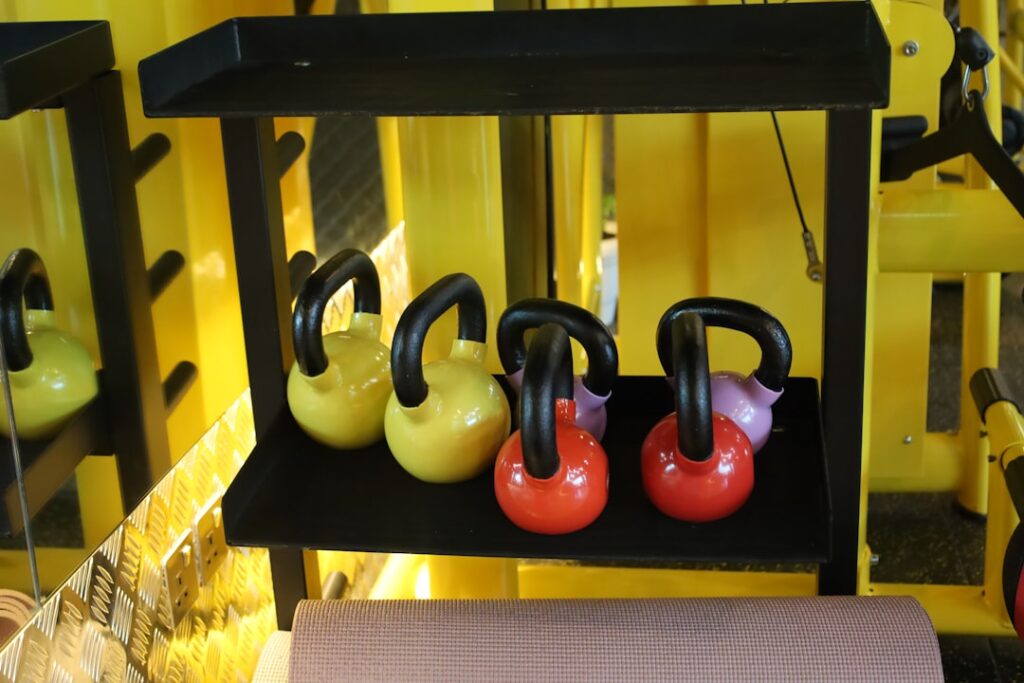
Rubber floor mats are among the most versatile and durable flooring solutions available. From home gyms and garages to commercial kitchens and industrial facilities, rubber mats provide unmatched protection, comfort, and safety. They absorb impact, resist chemicals and moisture, reduce noise, and can withstand decades of heavy use without showing significant wear.
Whether you need a single anti-fatigue mat for your standing desk or wall-to-wall rubber flooring for a commercial gym, this guide covers everything you need to know about choosing, installing, and maintaining rubber floor mats in 2026.
Types of Rubber Floor Mats
Rubber floor mats come in several formats, each designed for specific applications and installation methods.
| Type | Typical Size | Thickness | Best For | Installation |
|---|---|---|---|---|
| Interlocking tiles | 2×2 ft or 3×3 ft | 8mm – 20mm | Gyms, garages, workshops | Puzzle-fit, no adhesive |
| Rolled rubber | 4 ft wide, up to 50 ft long | 3mm – 12mm | Commercial gyms, large areas | Loose lay or glued down |
| Stall mats | 4×6 ft | 15mm – 19mm | Home gyms, heavy equipment | Loose lay |
| Anti-fatigue mats | 2×3 ft or 3×5 ft | 12mm – 25mm | Standing desks, kitchens | Place on floor |
| Entrance mats | 3×5 ft or 4×6 ft | 8mm – 15mm | Doorways, lobbies | Place on floor |
| Drainage mats | 3×3 ft or 3×5 ft | 12mm – 20mm | Wet areas, commercial kitchens | Place on floor |
Rubber Mat Materials Explained
Natural Rubber
Derived from rubber tree sap, natural rubber offers excellent elasticity, grip, and impact absorption. It’s more expensive than synthetic options and has a stronger initial odour, but it’s the most eco-friendly choice and performs well in temperature extremes.
Recycled Rubber
Made from recycled tyres and rubber products, this is the most common material for gym mats, garage flooring, and playground surfaces. It’s affordable, durable, and environmentally responsible. The speckled appearance (often with coloured flecks) is characteristic of recycled rubber products.
Synthetic Rubber (SBR, EPDM, Neoprene)
Synthetic rubbers offer specific performance characteristics — EPDM resists UV and ozone for outdoor use, neoprene resists oils and chemicals for industrial settings, and SBR provides good general-purpose performance at a low cost.
Vulcanised Rubber
Premium rubber that’s been heat-treated for maximum density and durability. Vulcanised rubber tiles are used in high-end fitness centres, professional sports facilities, and demanding commercial environments. They cost more but last longer and perform better than standard rubber.
How to Choose the Right Rubber Mat
Consider Your Application
- Impact protection (weight drops): Choose thick mats (15mm+) with high-density rubber
- Standing comfort: Anti-fatigue mats with cushioned cores (12–25mm)
- Vehicle traffic: Dense, abrasion-resistant mats (8mm+ coin or diamond tread)
- Wet areas: Drainage mats with holes or channels for water flow
- Sound reduction: Dense rubber at 6mm+ significantly reduces impact noise for upper-floor installations
Thickness Guide
| Thickness | Impact Protection | Recommended Use |
|---|---|---|
| 3–6mm | Minimal | Light exercise, treadmills, equipment pads |
| 8–10mm | Moderate | General gym use, garages, workshops |
| 12–15mm | Good | Free weights, CrossFit, moderate drops |
| 15–20mm | Excellent | Olympic lifting, heavy deadlifts |
| 20mm+ | Maximum | Dedicated drop zones, platforms |
Rubber Gym Mats
Rubber gym mats are the most popular application for rubber flooring. They protect your subfloor from damage, reduce noise, absorb impact from dropped weights, and provide a stable, non-slip surface for exercise.
Home Gym Setup
For a home gym, you have three main options:
Horse Stall Mats
The budget-friendly favourite. 4×6-foot, 3/4-inch thick stall mats from farm supply stores offer incredible value at $40–$60 per mat. They’re extremely durable, provide excellent impact protection, and can handle the heaviest weights. The downsides are a strong rubber smell (which fades over weeks), heavy weight (~100 lbs per mat), and seams between mats.
Interlocking Rubber Tiles
The most popular home gym option. These puzzle-piece tiles are easy to install, look professional, and come in various thicknesses and colours. They cost more than stall mats ($2–$5 per sq ft) but offer a cleaner finish and easier installation. Great for general fitness areas, cardio zones, and lighter weight training.
Rolled Rubber Flooring
The commercial-grade choice. Rolled rubber provides seamless coverage and a professional appearance. It’s typically glued down for a permanent installation. At $1.50–$4 per sq ft, it’s cost-effective for large areas but requires more effort to install.
Recommended Setup by Activity
- Cardio (treadmill, bike, rower): 6–8mm rubber tiles or rolls under equipment
- General weight training: 10–12mm interlocking tiles across the full floor area
- Olympic lifting & CrossFit: 15–20mm stall mats or tiles in the lifting zone, plus dedicated drop pads
- Stretching & yoga: Standard carpet flooring or thinner rubber with a yoga mat on top
Rubber Garage Flooring
Rubber mats transform a bare concrete garage into a clean, comfortable, and protected workspace. They resist oil, chemicals, and road salt while cushioning your feet during long hours of standing.
Best Options for Garages
Coin-Top Rubber Tiles
The classic garage flooring choice. The raised circular pattern provides excellent traction even when wet and hides dirt effectively. Available in interlocking tiles for easy DIY installation. Budget around $2–$4 per square foot.
Diamond-Plate Rubber Tiles
Similar to coin-top but with a diamond tread pattern for maximum grip. Popular in workshops and areas where oil or water may be present. These mats are particularly effective on smooth flooring surfaces where slip resistance is critical.
Rolled Garage Flooring
For full-coverage garage protection, rolled rubber provides a seamless look with no joints to catch on wheeled equipment. Choose a thickness of at least 3mm for vehicle traffic areas.
Commercial & Industrial Rubber Mats
In commercial and industrial settings, rubber floor mats serve critical safety functions — anti-fatigue, anti-slip, drainage, and floor protection.
Anti-Fatigue Mats
Standing for extended periods causes fatigue, back pain, and reduced productivity. Anti-fatigue mats feature cushioned construction that encourages subtle foot movements, improving blood circulation and reducing strain. Essential for standing desks, assembly lines, checkout counters, and kitchen stations.
Commercial Kitchen Mats
Restaurant and commercial kitchen mats must provide drainage (to handle spills and wash-down), anti-slip traction (even when covered in grease), and anti-fatigue comfort. Drainage-style mats with holes or channels are standard. Learn about keeping kitchen equipment clean to complement your kitchen mat setup.
Industrial Floor Protection
Heavy-duty rubber mats protect factory floors from impacts, chemical spills, and heavy machinery. Industrial-grade mats are typically 12mm+ thick, chemical-resistant, and fire-rated. They come in rolls or large interlocking tiles for easy replacement of worn sections.
Installation Methods
Loose Lay (No Adhesive)
The simplest method — simply place the mats on the floor. Best for interlocking tiles, stall mats, and areas where you may want to remove the mats later. The weight of the rubber usually keeps mats in place on flat surfaces. Use double-sided tape at edges if mats tend to shift.
Glue Down
For permanent installations and rolled rubber flooring, adhesive creates a secure bond to the subfloor. Use a rubber-specific adhesive and follow the manufacturer’s instructions. The subfloor must be clean, dry, and flat. This method eliminates any movement but makes future removal difficult.
Interlocking System
Puzzle-style interlocking edges lock tiles together without adhesive. This creates a stable, unified floor surface that can be disassembled and moved. Leave a small expansion gap at walls (5–10mm) to allow for thermal expansion.
Subfloor Requirements
Rubber mats can be installed over most hard, flat surfaces including concrete, particleboard, plywood, and existing vinyl flooring. The subfloor should be clean, dry, and reasonably level. Fill any cracks or holes in concrete before installation.
Rubber Floor Mat Costs in 2026
| Product Type | Cost per sq ft | 100 sq ft Cost | Notes |
|---|---|---|---|
| Horse stall mats (3/4″) | $1.50 – $2.50 | $150 – $250 | Best budget gym option |
| Interlocking tiles (8mm) | $2.00 – $4.00 | $200 – $400 | DIY-friendly, popular choice |
| Interlocking tiles (15mm) | $3.50 – $6.00 | $350 – $600 | Heavy-duty gym use |
| Rolled rubber (6mm) | $1.50 – $3.00 | $150 – $300 | Commercial gyms, large areas |
| Rolled rubber (10mm) | $2.50 – $4.50 | $250 – $450 | Premium gym flooring |
| Anti-fatigue mats | $3.00 – $8.00 | N/A (sold per mat) | $30–$120 per mat |
| Vulcanised rubber tiles | $5.00 – $12.00 | $500 – $1,200 | Premium, commercial-grade |
Cleaning & Maintenance
Regular Cleaning
- Sweep or vacuum to remove loose dirt and debris
- Mop with warm water and a mild pH-neutral cleaner
- Avoid harsh chemicals, bleach, and solvent-based cleaners that can degrade rubber
- Allow to air dry or squeegee standing water
Deep Cleaning
For stubborn dirt or gym mats that see heavy use, use a dedicated rubber floor cleaner or a mixture of warm water and mild dish soap. Scrub with a medium-bristle brush, rinse thoroughly, and allow to dry completely before use.
Odour Management
New rubber mats — especially stall mats and recycled rubber products — have a strong rubber smell that fades over time. To speed up off-gassing, leave mats in a well-ventilated area or outdoors for a few days before installing indoors. Washing with a vinegar-water solution can also help neutralise odours.
Longevity Tips
- Use equipment pads under heavy stationary equipment to prevent compression marks
- Avoid dragging sharp or heavy objects across the surface
- Keep mats out of prolonged direct sunlight (UV can cause fading and degradation in some rubber types)
- Rotate mats periodically in high-traffic areas to even out wear
Frequently Asked Questions
How thick should rubber gym mats be?
For general fitness and bodyweight exercises, 8mm is sufficient. For free weight training with controlled drops, choose 12–15mm. For Olympic lifting with heavy drops, 15–20mm is recommended, ideally with dedicated drop pads or a lifting platform in the drop zone.
Do rubber floor mats smell?
New rubber mats, especially those made from recycled rubber, have a noticeable rubber odour when first unpackaged. This smell typically fades significantly within 1–2 weeks in a well-ventilated space. Natural rubber and vulcanised rubber products tend to have less odour than recycled rubber options.
Can rubber mats go over carpet?
Rubber mats can be placed over carpet, but it’s not ideal for heavy gym use. The carpet compresses under load, making the surface unstable for exercises that require firm footing (like squats and deadlifts). For light exercise and equipment protection, rubber over carpet works fine.
Are rubber mats safe for heated floors?
Most rubber mats are safe to use over radiant heated floors up to about 80°F (27°C). However, thick rubber acts as an insulator and reduces the effectiveness of underfloor heating. Check the manufacturer’s specifications for temperature ratings before installation.
How long do rubber floor mats last?
Quality rubber floor mats last 10–20+ years with proper care, even in high-traffic gym environments. Vulcanised rubber and natural rubber products tend to outlast recycled rubber. The surface pattern may wear smooth in high-traffic areas, but the structural integrity remains for decades.
Can I install rubber mats myself?
Absolutely. Interlocking tiles and stall mats require no special tools or skills — just measure your space, lay out the mats, and trim edges with a sharp utility knife. Rolled rubber is more challenging due to the weight and the need for precise cutting and potential adhesive application, but it’s still a manageable DIY project.
Are rubber mats waterproof?
Rubber itself is waterproof, but water can seep between mat joints and pool underneath. For wet areas, use drainage mats that allow water to flow through, or seal interlocking tile joints. Ensure good ventilation under rubber mats installed on concrete to prevent moisture and mould issues.
Prefer to explore on your own?
See how new flooring looks in your actual room in seconds — free, no signup.
Try the free Floor Studio →

