Dark floors deliver instant drama, and black LVP gives homeowners that bold, modern look with the durability and water resistance of luxury vinyl plank. Choosing black LVP is a design statement that pairs beautifully with light walls, brass fixtures, and contemporary cabinetry, but it also demands a clear-eyed understanding of maintenance, lighting, and undertones before you commit. This guide covers the styles available, the honest pros and cons, how to keep a dark floor looking clean, and the design moves that make it sing rather than overwhelm a space.
What Black LVP Actually Looks Like
True jet-black flooring is rare; most products marketed as black are very dark charcoal, espresso, ebony, or blackened oak with visible grain. The printed design layer usually carries subtle brown, gray, or blue undertones that keep the plank from reading as a flat void. Wide planks of 7 to 9 inches showcase these tones best, while narrower boards create a busier, more traditional feel.
Finish matters as much as color. A matte or low-sheen wear layer hides dust and micro-scratches far better than gloss, which acts almost like a mirror and highlights every speck. Textured or embossed surfaces, especially wire-brushed and hand-scraped looks, break up light and disguise footprints better than smooth finishes.
The Pros of Choosing a Dark Floor
Black and near-black vinyl plank offers real advantages beyond aesthetics:
- High contrast makes light furniture, rugs, and cabinetry pop, giving rooms a curated, high-end look.
- Dark tones ground open-concept spaces and define zones without walls.
- LVP construction means the color is water-resistant and scratch-resistant thanks to the wear layer, unlike stained hardwood.
- Dark floors hide certain stains, such as dark spills and pet accidents on the surface, better than pale flooring.
- They photograph beautifully, a genuine plus for rentals, listings, and social spaces.
Because LVP is dimensionally stable and comes in rigid SPC and WPC cores, you get the dramatic look without the swelling and fading concerns that plague dark solid hardwood in humid or sunny rooms.
The Cons You Should Weigh
Honesty about the drawbacks saves regret. Dark floors show dust, pet hair, lint, and dried water spots more readily than any other color. A light film of everyday dust that would vanish on a medium oak floor stands out sharply on espresso planks, which means more frequent sweeping. Footprints and pet nose smudges also appear faster on glossy dark surfaces.
Dark flooring absorbs light rather than reflecting it, so a small or north-facing room can feel smaller and dimmer. In direct sun, some dark vinyl can also feel warm underfoot and, on lower-quality products, may be more prone to visible fading over years. Choose a fade-resistant, UV-stable product and use window treatments in bright rooms.
Keeping Black LVP Clean
The maintenance reality is manageable with the right routine. Dust and grit are the enemies, so dry cleaning comes first:
- Sweep or dust-mop daily in high-traffic areas using a microfiber pad that grabs fine particles.
- Vacuum weekly with a hard-floor setting and no beater bar to avoid micro-scratches.
- Damp-mop with a pH-neutral vinyl cleaner, wringing the mop nearly dry to prevent streaks.
- Buff dry with a clean microfiber cloth to eliminate water spots, which show badly on dark floors.
Avoid oil-based soaps, wax, and steam mops, all of which leave residue or haze that dark planks reveal instantly. A matte finish plus a consistent dry-mopping habit is the single biggest factor in keeping the floor looking sharp between deeper cleans.
Design Tips for Pulling It Off
Dark floors reward thoughtful surroundings. Balance the depth below with lightness above: white or greige walls, light cabinetry, and pale countertops keep the room from feeling like a cave. Layer in warm metals such as brass, gold, or aged bronze, which glow against a dark base. Add area rugs with pattern and texture to soften the contrast and reduce the visible dust field underfoot.
Lighting is essential. Increase ambient light with more fixtures, warmer bulbs around 2700K to 3000K, and reflective surfaces like mirrors. In compact rooms, choose the lightest end of the dark spectrum, a deep charcoal or gray-brown rather than true black, to keep the space feeling open.
Best Rooms for Black LVP
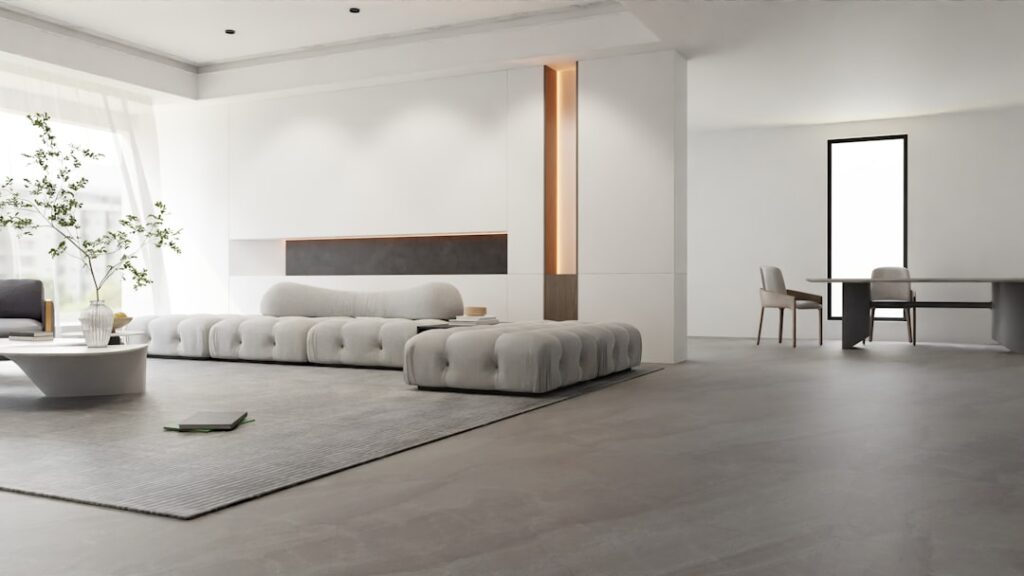
Placement determines how successful a dark floor feels day to day. Open-concept great rooms with large windows and light walls are ideal, since abundant natural light offsets the floor’s absorption and the expansive footprint carries the drama without feeling closed in. Kitchens pair well with dark plank when cabinetry and counters stay light, creating the crisp two-tone contrast designers love. Entryways and mudrooms benefit from the way dark tones disguise dirt tracked in from outside.
Be more cautious in small bathrooms, windowless powder rooms, and tight north-facing bedrooms, where the lack of light can make a near-black floor feel oppressive. In those spaces, either pivot to a lighter charcoal or compensate aggressively with layered lighting and pale walls. Basements are a strong candidate because LVP shrugs off occasional moisture, but low ceilings and limited daylight mean you should overbuild the lighting plan.
Black LVP Versus Other Dark Flooring
Compared with dark stained hardwood, black vinyl plank wins on water resistance, scratch resistance, and price, though hardwood still holds an edge in resale prestige and the ability to be refinished. Against dark porcelain tile, LVP is warmer and quieter underfoot and far easier to install, while tile beats it on ultimate durability and heat tolerance. Laminate can mimic dark wood at similar cost, but most laminate is only water-resistant rather than waterproof, giving rigid-core LVP the advantage in kitchens and baths. For most homeowners chasing a dramatic dark look with real-world practicality, luxury vinyl plank strikes the best balance.
Cost and What to Look For When Buying
Black LVP prices track the broader luxury vinyl market, generally $2 to $5 per square foot for solid residential lines and up to $7 for premium rigid-core products with thick wear layers. Installation adds roughly $2 to $5 per square foot if you hire out, though the click-lock floating format makes many dark LVP floors a realistic DIY project.
When shopping, prioritize these specs:
- A wear layer of at least 20 mil for busy households, 28 mil for heavy pet traffic.
- A matte or low-sheen, textured surface to camouflage dust and scuffs.
- Documented UV and fade resistance if the room gets strong sunlight.
- A rigid SPC or WPC core for stability, dent resistance, and a quieter, warmer step.
- An attached underlayment pad, which simplifies installation and improves sound.
Is Black LVP Right for Your Home?
Dark vinyl plank rewards households willing to sweep a little more often in exchange for a striking, modern floor that hides many stains and resists water. It shines in well-lit rooms with light walls and quality furnishings, and it can feel heavy in dim, cramped spaces without careful lighting. If you love the contemporary contrast and commit to a matte, textured product plus a simple dry-mopping routine, a dark floor delivers a designer look that few other materials match at this price point. Order samples, view them in your own light at different times of day, and you will know quickly whether the drama fits your space.
Prefer to explore on your own?
See how new flooring looks in your actual room in seconds — free, no signup.
Try the free Floor Studio →